 Thandiwe Nkosi
One bag works for the Garden Route if it is built around layers rather than outfits: a waterproof shell, a warm mid-layer, quick-dry trousers and shorts, proper walking shoes for forest trails, swimwear for the coast, serious sun protection, and a neutral-coloured layer for safari stops at Addo. Pack for four seasons in a single day, because Wilderness, Knysna, Tsitsikamma and the inland detour to Addo can deliver sun, sea wind, forest rain and a hot game drive within the same trip, sometimes within the same afternoon.
Quick Facts for a Garden Route Packing List
- Bag: One soft duffel or backpack of around 40 to 50 litres, plus a small daypack
- Climate rule: Temperate coastal weather with rain possible in any month, pack waterproofs year round
- Core system: Base layer, warm mid-layer, waterproof shell, worn in combination
- Footwear: One pair of broken-in trail shoes, one pair of sandals, nothing else needed
- Safari colours: Neutral khaki, olive, stone and brown for Addo game drives, no bright colours
- Driving reality: The N2 is tarred, but viewpoints, forest trailheads and farm stalls often sit on gravel, so expect dust
- Sun: High UV even on cool, windy days, sunscreen and a brimmed hat are essentials, not extras
Why does the Garden Route need a layering system, not a summer bag?
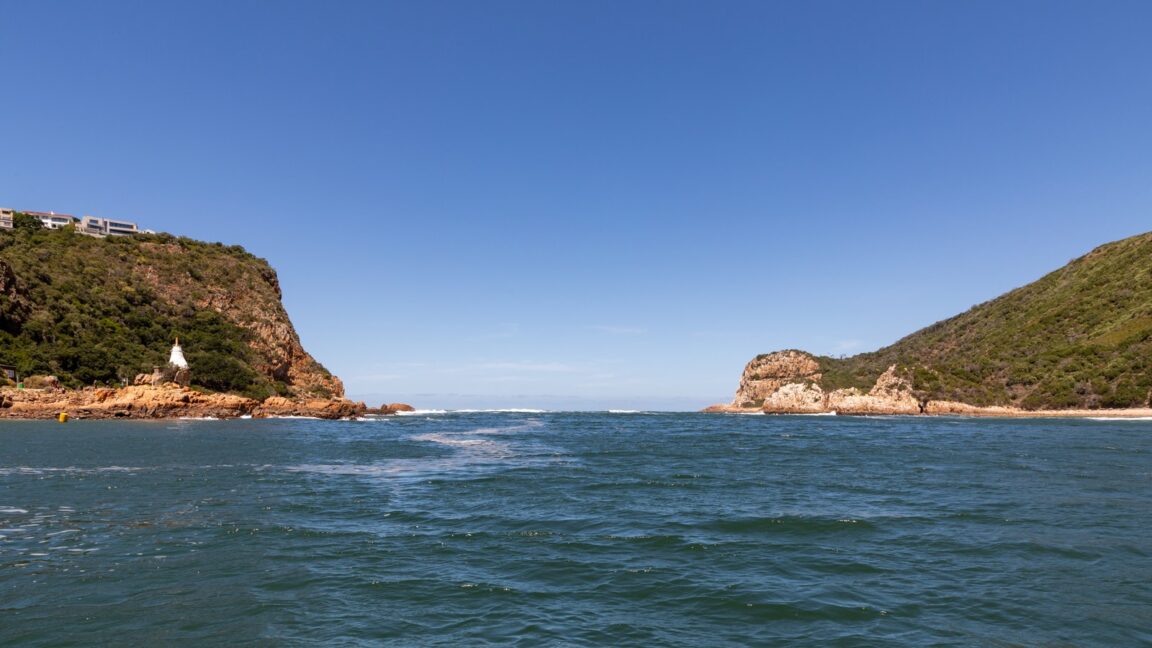
The Garden Route runs along South Africa’s southern coast through Wilderness, Sedgefield, Knysna and the Tsitsikamma coast, with Addo Elephant National Park as the classic inland finish near the eastern end. The climate is famously temperate, which misleads people into packing for a beach holiday. Temperate here means changeable. A morning can start in mist over the Knysna Lagoon, clear into strong sun at the Heads by midday, and end with rain moving through the Tsitsikamma forest by evening. The indigenous forest around Knysna and Wilderness stays damp and shaded even when the coast is bright, and sea wind cuts through a single light jumper at every cliff viewpoint.
The answer is the classic three-part system, scaled for mild rather than alpine cold. A breathable base layer, in merino or a technical synthetic, handles both warm hikes and cool evenings. A fleece or light insulated jacket provides the warmth. A waterproof and windproof shell jacket with a hood stops the two things that actually end Garden Route days early: rain and coastal wind. Worn separately, each piece covers one kind of weather. Worn together, they cover everything the route normally produces, without the bulk of a heavy coat.
What clothes go in the one bag?
Build the bag around a small, repeatable set. Three to four tops that mix and match, including at least one long-sleeved option for sun and for forest trails where vegetation brushes the path. One pair of quick-dry hiking trousers that convert or pair with one pair of shorts, so beach stops, the Storms River Mouth trails in Tsitsikamma and town dinners in Knysna all come out of the same two bottoms. A lightweight set of waterproof overtrousers earns its space in wetter months and on boat or kayak outings, and takes almost no room.
Add swimwear, because the route keeps presenting water: the lagoon at Knysna, the beaches at Wilderness and Plettenberg Bay, and river pools on forest walks. Add one smarter shirt or dress for restaurants, since Knysna and Wilderness both have dinner scenes worth dressing slightly up for. Sleepwear, underwear for the number of days between laundry stops, and socks with at least two pairs suitable for full hiking days complete the clothing core. Laundromats and guesthouse laundry services exist in the bigger towns, so a five to seven day rotation usually covers a ten day trip.
For the Addo day trips, dedicate one outfit in neutral tones: khaki, olive, stone, grey or brown trousers and top, with the warm layer on top for early morning drives. Safari vehicles are open or have large open windows, dawn starts are cold even after hot days, and dust is constant. That same neutral outfit doubles as a forest hiking outfit, which is exactly the kind of double duty a one-bag list depends on. The fuller logic of neutral colours, dawn layers and dust management is set out in our guide to what to pack for a Kenya safari, and nearly all of it transfers directly to Addo.
What footwear covers coast, forest and gravel?
Two pairs, no more. The workhorse is a broken-in trail shoe or light hiking boot with real grip. Tsitsikamma’s Storms River Mouth trail involves boardwalks, rocks and a suspension bridge route that gets slippery when wet. Knysna forest trails such as the routes in the Garden Route National Park are rooty, muddy after rain and shaded enough to stay that way. Robberg Peninsula near Plettenberg Bay is rock and sand in one walk. A trail shoe handles all of it, plus gravel car parks and farm roads, far better than trainers with smooth soles.
The second pair is sandals or flip-flops for beaches, guesthouse gardens and giving hiking shoes a rest day. That is the whole footwear list. Heels, dress shoes and a spare pair of trainers are the three most common wasted items on this route, because surfaces are uneven everywhere and evenings are relaxed even in the smartest restaurants.
What weather and sun gear is non-negotiable?
The waterproof shell already named is item one. Item two is sun protection that goes beyond a token tube of sunscreen. South African UV is strong, and the Garden Route adds reflection off lagoon and ocean water plus wind that hides the burn until evening. Pack high-factor sunscreen, lip balm with sun protection, sunglasses with a retaining strap for boat trips and cliff walks, and a brimmed hat that stays on in wind. A light buff or scarf covers the neck on game drives, keeps dust off on gravel roads and adds warmth on a lagoon cruise, three jobs for almost no weight.
Insect protection matters most at dusk and near still water: the lagoon edges, forest camps and Addo accommodation. A reliable repellent and long sleeves for evenings solve most of it. A compact umbrella is optional and often useless in coastal wind, where the shell jacket does the job better. A dry bag or a set of zip bags protects phone, documents and a change of clothes during kayak trips, lagoon cruises and rainy trail days, and doubles as laundry separation in the main bag.
What driving and day kit should ride in the front of the car?
The Garden Route is a self-drive route at heart, mostly on the tarred N2, and the packing mistake is burying driving essentials in the main bag. Keep a car kit accessible: licence and rental documents, a phone mount and charging cable, a power bank, offline maps downloaded in advance because signal drops in forest and rural sections, water for every passenger, and snacks for the longer Tsitsikamma to Addo stretch. Gravel detours to viewpoints, trailheads and farm stalls coat everything in fine dust, so keep a small pack of wipes and a microfibre cloth for sunglasses and camera lenses within reach.
The daypack is the second half of the system. It carries the shell, water, sunscreen, hat, binoculars and camera on hikes, then becomes the game drive bag at Addo and the cabin bag on flights. Binoculars deserve a specific mention: they transform both the Robberg seal colony viewpoint and an Addo drive, where elephants are obvious but the birdlife and smaller antelope are not. A headtorch covers load-shedding evenings, dark guesthouse paths and early safari starts, all three of which occur on this route.
Anyone starting the trip in the Cape should also read our 2 days in Cape Town itinerary, because Cape Town weather on departure day is a poor guide to Garden Route weather two valleys east, and the layering habit is best started before leaving the city.
What should you leave out?
Leave the heavy coat, the hair styling kit that needs daily power and time, the just-in-case formal outfit and the third pair of shoes. Leave bright white clothing that will show gravel dust within an hour, and leave anything that only works in one narrow temperature band, because the route will not stay in it. The one-bag test for every item is simple: does it work on the coast, in the forest and on a game drive, or at least two of the three? If it only works in one setting, it stays home.
Frequently asked questions
How many litres should a Garden Route bag be?
Around 40 to 50 litres is the sweet spot for one bag. That holds a five to seven day clothing rotation, the full layer system, trail shoes worn in transit and a daypack packed flat or used as hand luggage. Soft bags load better than hard cases into rental car boots shared with shopping and cool boxes.
Do you need proper hiking boots for Tsitsikamma and Knysna forest?
Trail shoes with grip are enough for the standard routes, including the Storms River Mouth suspension bridge trail and the main Knysna forest walks. Full boots help in very wet weeks or for longer routes such as multi-day trails, which need a different, larger packing plan altogether.
What should you wear on an Addo game drive?
Neutral colours, closed shoes, a warm layer for the first hour and sun protection for the rest. Early drives start cold and finish warm, so the layer system works in reverse: start fully layered, shed pieces into the daypack by mid-morning.
Does it rain on the Garden Route in summer?
Yes. Rainfall is spread across the year on this coast, and summer trips still get wet days, especially in the forest sections. The waterproof shell is a year-round item, not a winter extra.
Can you swim on the Garden Route, and what do you need?
Yes, in the Knysna Lagoon, at Wilderness and Plettenberg Bay beaches and in river pools, with care for currents and posted warnings at ocean beaches. Swimwear, a quick-dry towel and sandals cover it. A rash vest helps for long lagoon and kayak sessions under strong sun.
What is the most forgotten item on this route?
A warm layer for evenings. Travellers pack for the beach photographs and then spend every dinner in the same borrowed fleece. The mid-layer in this list exists because coastal nights are cool in every month.