 Thandiwe Nkosi
Zambia now waves through more nationalities without a visa than at almost any point in its history. The Department of Immigration’s visa exempt list runs to 167 nationalities after the government added 53 more with effect from 1 January 2025 under Statutory Instrument No. 78 of 2024. Visa exempt visitors, tourists and ordinary visitors among them, receive a free stay of up to 90 days in any 12 month period, with business visits capped at 30 days in the same period. The United States, the United Kingdom, Canada, Australia, all European Union member states, Japan, South Korea, China, Singapore, Malaysia, Saudi Arabia and the United Arab Emirates are all on the exempt list. This explainer sets out what changed, which passports still need a visa on arrival or in advance, and the border conditions that still apply to travellers who need no visa at all.
Quick Facts
- Latest waiver expansion: 53 additional nationalities from 1 January 2025, under Statutory Instrument No. 78 of 2024
- Total visa exempt nationalities: 167 on the Department of Immigration list
- Tourist and ordinary visitor stay: Up to 90 days free in any 12 month period from first entry
- Business stay: Up to 30 days in any 12 month period for visa exempt business visitors
- Newly added examples: Argentina, Costa Rica, Iceland, Monaco, Morocco, Panama, Switzerland, Turkiye and Ukraine
- Still visa on arrival: Nationalities including Brazil, Chile, Colombia, Mexico, Peru, Russia and Thailand
- Still visa before travel: Nationalities including India, Indonesia, the Philippines, Vietnam, Pakistan, Bangladesh, Egypt and Nigeria, via the eServices portal with advance approval
- Authority: Zambia Department of Immigration
What changed in Zambia’s visa waiver?
Zambia has been widening its exemption list in steps as part of a deliberate tourism and investment strategy, and the January 2025 step was the largest single one. The Department of Immigration announced in December 2024 that 53 additional nationalities would be waived under Statutory Instrument No. 78 of 2024, bringing the exempt total to 167. The additions mixed European microstates and EFTA countries, Latin American states, North African and Middle Eastern passports, and Asian nationalities, reflecting a policy of removing friction for source markets rather than negotiating one bilateral deal at a time.
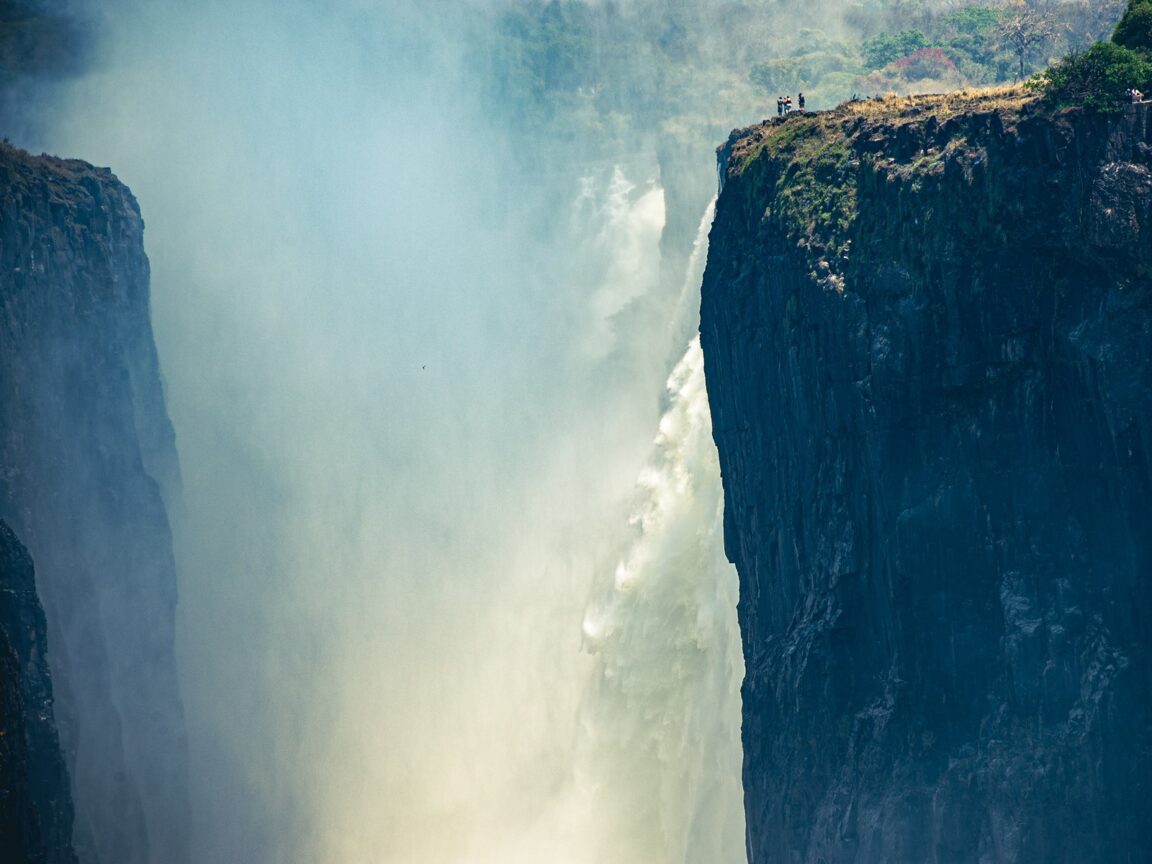
The practical effect for a southern Africa itinerary is significant. A traveller combining Zambia with its neighbours once faced a patchwork in which the Zambian side of Victoria Falls needed advance paperwork that the itinerary did not. Now, for the large majority of long haul visitors, the Zambian border is a passport stamp and an admission decision, nothing more. Travellers planning a multi-country trip may also want our explainer on Kenya’s eTA system, because East and southern Africa now mix visa free, electronic authorisation and visa on arrival regimes within a single safari circuit.
Which passports enter Zambia visa free?
The exempt list is long, so the reliable method is to check your own nationality against the Department of Immigration’s published list of nationals who do not require a visa before booking. The headline groups are these. All European Union member states are exempt, alongside the United Kingdom, Ireland, Norway, Switzerland and Iceland. North America is covered through the United States and Canada. Australasia is covered through Australia and New Zealand. Asia Pacific exemptions include China, Japan, South Korea, Singapore, Malaysia and Hong Kong. The Gulf is represented by Bahrain, Kuwait, Oman, Qatar, Saudi Arabia and the United Arab Emirates, and Israel and Turkiye are exempt as well.
Africa itself is broadly covered, including Angola, Botswana, Kenya, Malawi, Mauritius, Mozambique, Namibia, Seychelles, South Africa, Tanzania, Uganda and Zimbabwe, among many others. The Caribbean and Latin American exempt names include Argentina, the Bahamas, Barbados, Belize, Costa Rica, the Dominican Republic, Guatemala, Guyana, Honduras, Jamaica, Panama, Suriname and Trinidad and Tobago, plus Pacific states such as Fiji, Kiribati, the Marshall Islands, Micronesia, Nauru, Palau, Papua New Guinea, Samoa, the Solomon Islands, Tonga, Tuvalu and Vanuatu. Albania, Andorra, Bhutan, Bosnia and Herzegovina, Brunei, Cape Verde, Comoros, Dominica, Eswatini, Grenada, Iraq, Laos, Lesotho, Liberia, Liechtenstein, Madagascar, the Maldives, Moldova, Monaco, Montenegro, Morocco, North Macedonia, Saint Kitts and Nevis, Saint Lucia, Saint Vincent and the Grenadines, San Marino, Sao Tome and Principe and Vatican City also appear on the list.
What about the KAZA UniVisa?
Travellers visiting both Zambia and Zimbabwe for Victoria Falls should also know about the KAZA UniVisa, the joint visa the two countries introduced for eligible nationalities, valid for up to 30 days across both countries, including day trips to Chobe in Botswana through Kazungula. For nationalities that are now visa exempt in Zambia, the UniVisa question is mainly about the Zimbabwean side of the trip, since Zimbabwe operates its own eVisa and visa on arrival rules. Check eligibility for your passport rather than assuming the falls are paperwork free on both banks.
Who still needs a visa for Zambia?
Two groups remain, and confusing them is the main risk left in the system. The first group can obtain a visa on arrival at a port of entry, from a Zambian mission, or online. It includes Belarus, Bolivia, Brazil, Burundi, Chile, Colombia, the Republic of Congo, the Democratic Republic of Congo, Cuba, Djibouti, Ecuador, El Salvador, Eritrea, Georgia, Ghana, Haiti, Kazakhstan, Mexico, Mongolia, Myanmar, Nicaragua, Paraguay, Peru, Russia, Rwanda, Thailand, Uruguay and Venezuela, among others. Nothing has to be arranged in advance for this group, though applying online ahead of travel is often the smoother course.
The second group must hold approval before travelling. Nationalities on the Department’s prior clearance list, including India, Indonesia, the Philippines, Vietnam, Pakistan, Bangladesh, Egypt, Nigeria and Ethiopia, apply online through the eServices portal and must receive the approval before boarding. Guides that treat this group as ordinary eVisa applicants understate the requirement: the clearance step is the point. For fee context, Zambian regulations set a single entry visa at US$50 and double or multiple entry visas at US$80 under the schedule in force from 1 January 2026. Our coverage of Namibia’s move to visas on arrival shows the opposite policy direction in the same region, which is exactly why each country’s list has to be read on its own terms.
What must visa exempt travellers still show at the border?
- A valid passport: Exemption removes the visa, not the passport requirement or the admission decision
- Return evidence by air: Visa exempt visitors arriving by air need a valid return ticket
- Funds evidence by land or water: Arrivals by land or water must show sufficient means for the stay and onward travel
- Stay discipline: The free entitlement is 90 days in a 12 month period for visitors and 30 days for business; the stamp on the day can be shorter, so read it before leaving the desk
- Work is not covered: Visa free entry is for visiting and defined business activity, not employment, which needs its own permit
That last practical point about the stamp matters. Entitlement and admission are different things: the officer admits you for a stated period, and overstaying that period creates problems even when your nationality’s headline entitlement is longer. Check the stamp, diarise the exit date, and use the Department’s extension channels in Lusaka if plans change.
Frequently Asked Questions
Do US citizens need a visa for Zambia?
No. US citizens are on the Department of Immigration’s visa exempt list and receive up to 90 days for tourism or ordinary visits in any 12 month period, free of charge. Arrive with a valid passport and, when flying in, a return ticket.
How many countries are visa exempt for Zambia?
The Department of Immigration announced a total of 167 exempt nationalities after the addition of 53 nationalities from 1 January 2025 under Statutory Instrument No. 78 of 2024. Always confirm your own nationality on the department’s current list before booking, because lists are amended.
How long can a tourist stay in Zambia without a visa?
Visa exempt tourists and ordinary visitors are entitled to 90 days in any 12 month period, counted from first entry, while business visitors are entitled to 30 days in the same period. The period stamped on arrival governs your actual stay, so check it at the desk.
Which nationalities still need a visa before travelling to Zambia?
Nationalities on the prior clearance list, including India, Indonesia, the Philippines, Vietnam, Pakistan, Bangladesh, Egypt and Nigeria, must apply through the eServices portal and hold approval before travel. A separate group, including Brazil, Mexico, Russia and Thailand, can obtain a visa on arrival or in advance.
What does a Zambian visa cost if I need one?
Under the fee schedule in force from 1 January 2026, a single entry visa is US$50 and double or multiple entry visas are US$80. Visa exempt travellers pay nothing.
Zambia’s waiver makes Livingstone and the Zambian side of Victoria Falls one of the simplest major safari add-ons in Africa for most passports. The remaining homework is short: confirm your nationality’s list, respect the 90 day clock, and read the stamp. Do those three things and the border becomes the easiest part of the trip.