 Kwame Mensah
Three days in Abidjan work when each day takes a different face of the city: the Plateau first, with its towers and lagoon front; the markets and maquis second, in Treichville and beyond; and a third day out of the city entirely, in Grand-Bassam, the former colonial capital on the coast. Abidjan is the economic capital of Ivory Coast, a city of more than six million people built around the Ebrie Lagoon, and it does not behave like a checklist destination. Distances are long, traffic is a real planning factor, and the rewards come from rhythm as much as sights. This itinerary sequences the city so the lagoon, the markets and the coast each get their proper time.
Quick Facts
- Role: Abidjan is the economic capital; Yamoussoukro is the political capital of Ivory Coast
- Setting: A lagoon city on the Ebrie Lagoon, opening to the Atlantic, in southern Ivory Coast
- Airport: Felix Houphouet-Boigny International Airport (ABJ), in Port-Bouet, roughly 20 to 30 minutes from the Plateau depending on traffic
- Currency: West African CFA franc (XOF), pegged to the euro; cash matters at markets and maquis, cards work in hotels and larger restaurants
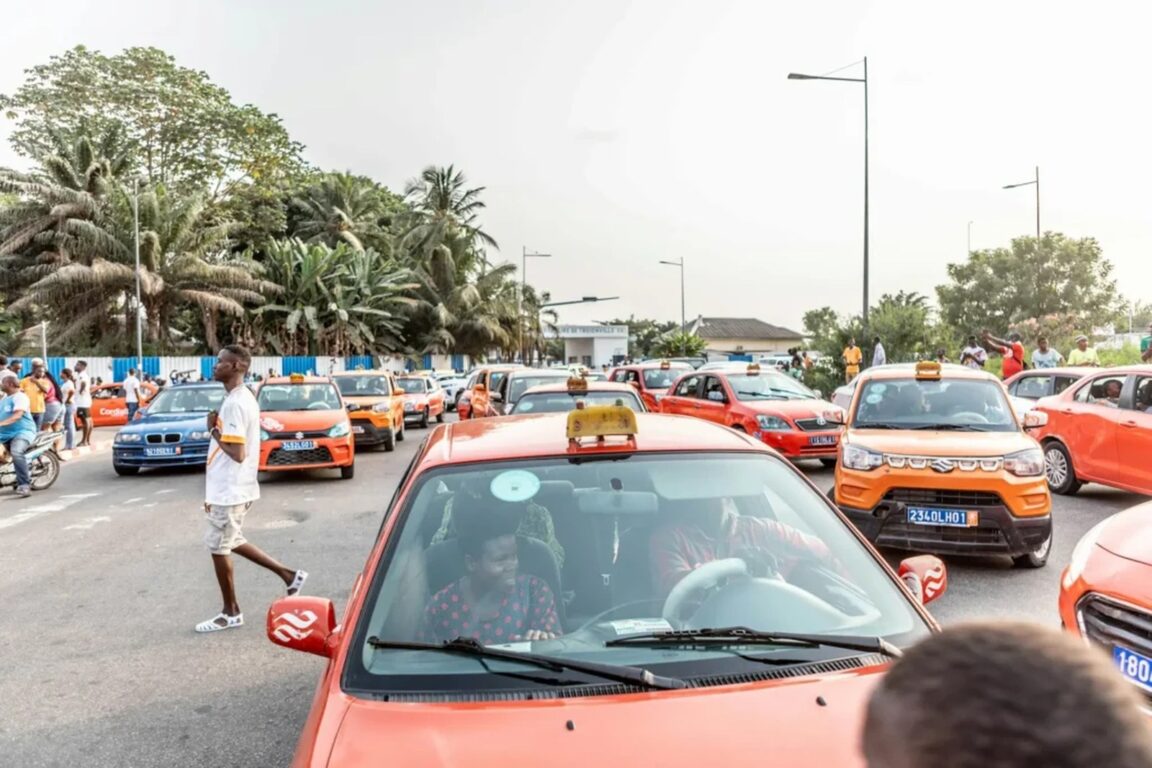
- Getting around: Ride hailing apps such as Yango are the easiest visitor option; orange taxis are everywhere and fares are agreed before the ride
- Visa: Most visitors need a visa; Ivory Coast runs an official e-visa pre-enrolment through SNEDAI, with the visa issued on arrival at Abidjan airport, so apply well ahead
- Language: French is the official language and the working language of the city
- Day trip: Grand-Bassam, the first colonial capital, a UNESCO World Heritage listed historic town on the coast east of Abidjan
Day 1: the Plateau, the lagoon front and the skyline
Begin on the Plateau, the business and administrative district that sits on a peninsula in the lagoon and gives Abidjan its skyline. This is the city at its most formal: government buildings, bank headquarters, the African Development Bank, and office towers reflected in the Ebrie Lagoon. It is also, unusually for Abidjan, a district where walking works. Start in the morning, when the heat is still building, and walk the wide boulevards between the towers.
Two buildings tell the Plateau story. La Pyramide, the stepped, futuristic tower from the 1970s, became a symbol of the city before falling into long disuse, and it still stops every visitor who sees it for the first time. St Paul Cathedral is the other landmark: a strikingly modern cathedral designed by the Italian architect Aldo Spirito and inaugurated in 1985, its great cross and sloping structure overlooking the lagoon. The cathedral grounds give one of the best ground level views across the water toward Treichville, the district waiting for day 2.
In the afternoon, shift from monuments to the lagoon itself. The bridges are the city signature now, especially the Alassane Ouattara Bridge linking the Plateau side with Cocody, best appreciated as the light changes. Rooftop terraces on the Plateau, including hotel rooftops, are the local answer to a skyline view, and sunset over the lagoon is the right finish to a first day. Eat on the Plateau or in nearby Cocody on night one, keep it early, and respect the fact that the Plateau empties after office hours; it is a morning and daytime district, not the city nightlife center.
Day 2 morning: the markets, starting in Treichville
Day 2 belongs to the markets, and it starts in Treichville, south across the lagoon, one of the oldest and most lived in districts of Abidjan. Treichville Market is the classic visitor market: fabrics by the bolt, including the bright wax prints West Africa is known for, clothing, handicrafts, masks, jewelry and household goods in dense, noisy, good humored lanes. Go in the morning, carry small notes, and treat bargaining as a conversation. Prices are rarely fixed here, and the exchange is part of the experience rather than an obstacle to it.
Add one more market rather than three. The CAVA craft market in Zone 4, in Marcory, is the curated alternative, with artisan stalls, fashion and handmade goods in a calmer setting, suited to buying gifts without the full intensity of a general market. Cocody Saint-Jean Market, spread over several floors, shows the daily city instead: food, fabric, electronics and everything between. Adjamé Market, among the largest in West Africa, is a genuine half day and best visited with a local guide rather than slotted casually into a first trip. Choosing Treichville plus one of these gives the texture without turning the day into logistics.
Day 2 afternoon and evening: Banco, art and the maquis
Abidjan holds a surprise few capitals can match: Banco National Park, a protected rainforest inside the city itself. A couple of hours under its giant trees, on foot or by rented bicycle, resets the senses after the markets and makes the lagoon city geography click; this is the green the city grew around. Alternatively, the contemporary galleries of Cocody, among them Galerie Cecile Fakhoury, show why Abidjan is a serious West African art capital, and an afternoon gallery hour pairs well with Cocody cafes.
The evening is non negotiable: eat in a maquis. These open air restaurants are the social heart of Ivorian food culture, equal parts dinner, music and gathering. Order the dishes the city is proud of: attieke, the fermented cassava couscous served with grilled fish and onions; alloco, fried plantain with a spicy sauce; kedjenou, chicken slow cooked in its own juices; and choukouya, grilled meat with onions and chili. The Allocodrome in Cocody is famous for exactly this. If West African capitals are new to you, our itinerary for 2 days in Accra, Ghana makes the natural regional pairing, and our guide to Dakar, Senegal extends the same lagoon and market logic to the other great French speaking capital of the coast.
Day 3: Grand-Bassam, the coast and the first capital
Leave the city eastward for Grand-Bassam, the coastal town that served as the first colonial capital of Ivory Coast before Abidjan took over. Its historic quarter, listed by UNESCO as a World Heritage Site, preserves the layout and architecture of a late 19th and early 20th century colonial trading town: a formal administrative and commercial zone of old trading houses and official buildings, and, across the lagoon, the fishing village life that continues on the other side of the water. The contrast with the Plateau is the entire point of the day. Abidjan shows what the country became; Grand-Bassam shows where the story started.
Walk the old quarter slowly, visit the costume museum housed in the former governor palace, and read the town at street level: verandas, shuttered facades, quiet streets where the capital used to be. Then cross to the beach side for lunch. Grand-Bassam faces the Atlantic with a long beach and a line of seafood restaurants; grilled fish and attieke by the sea is the canonical meal. Respect the ocean here. The surf on this coast is powerful and swimming conditions are often unsafe, so treat the beach as a place to walk, eat and watch rather than automatically swim, and follow local advice on the day.
Return to Abidjan in the late afternoon, timing the drive against the traffic that builds toward the city at the end of the day. A final evening in Zone 4, Marcory international dining strip, or at a lagoon side table in Cocody, closes the three days where the city itself eats and goes out.
Where to stay and how to move
Base in Cocody for calm, residential streets and good restaurants, on the Plateau for business efficiency and lagoon views, or in Zone 4 and Marcory for dining and nightlife at the door. Traffic decides real journey times in Abidjan more than distance does, so cluster each day geographically, as this itinerary does, and avoid crossing the lagoon at peak hours without a reason. Ride hailing apps are the simplest visitor tool; in orange taxis, agree the fare before setting off. Carry cash in small denominations for markets, maquis and taxis, even though cards work widely in hotels and larger venues.
Frequently Asked Questions
How many days does Abidjan need?
Three days is the honest minimum for the city plus Grand-Bassam: one for the Plateau and lagoon, one for markets and the maquis, and one for the coast. Two days can cover the Plateau and markets but sacrifices either Banco or Bassam.
Do I need a visa for Ivory Coast?
Most nationalities do. Ivory Coast operates an official e-visa pre-enrolment system through SNEDAI: apply online well before travel, travel with the pre-enrolment approval, and the visa is issued on arrival at Abidjan airport. Confirm your nationality requirements on the official portal before booking.
Is Grand-Bassam worth a full day?
Yes. It is a UNESCO listed historic town, the first colonial capital, and the complete contrast to modern Abidjan, with the old quarter, the costume museum and a seafood lunch on the beach side. It is also an easy day trip, so no overnight is needed.
What should I buy in the markets?
Wax print fabric, tailored clothing made from it, wooden masks and carvings, and woven goods are the classic purchases. Treichville is best for range and atmosphere; the CAVA market in Zone 4 is calmer for artisan gifts. Bargain politely and carry small notes.
What is a maquis and what should I order?
A maquis is an open air Ivorian restaurant, central to the city social life. Order attieke with grilled fish, alloco, kedjenou chicken and choukouya, and expect music and a crowd. It is dinner and the evening out in one place.
When is the best time to visit Abidjan?
The main dry season, roughly December to April, brings the sunniest weather and the liveliest city calendar. The long rains run roughly May to July with a shorter rainy period in autumn; the city functions year round, but market and beach days are easier in the dry months.
Visa and arrival details checked 14 November 2026. Confirm e-visa requirements for your nationality on the official SNEDAI portal before travel.