 Aiko Tanaka
Fukuoka rewards travellers who plan around the evening. This is the Kyushu city of Hakata ramen and of the yatai, the open-air food stalls that set up at dusk, so three days here means easy mornings, neighbourhood afternoons in Tenjin and Hakata, and nights that end at a counter with eight seats. Between the stall nights, Canal City fills a shopping and ramen afternoon, and Dazaifu Tenmangu, the great shrine of the god of learning, makes the perfect half-day out of the city. Here is how the three days fit together.
Quick Facts
- Yatai stalls: Around 100 licensed stalls citywide, concentrated in Nakasu, Tenjin and Nagahama; most open from about 6pm, many close on Sundays and in heavy rain; cash, first come, first served, no reservations
- Canal City Hakata: Shops 10am to 9pm, restaurants 11am to 11pm daily; Ramen Stadium on the fifth floor serves ramen styles from across Japan
- Dazaifu Tenmangu: About 40 minutes from central Fukuoka by Nishitetsu train from Tenjin or the direct bus from Hakata Station; shrine grounds open daily, the approach street is the food stop
- Two bases: Hakata for the station, shinkansen and airport subway; Tenjin for shopping, dining and the evening
- Airport: Fukuoka Airport is one of Japan’s closest to its city centre, a short subway ride from Hakata
- Signature bowl: Hakata tonkotsu ramen, thin noodles in a rich pork broth, born in this city
- Facts checked: 14 November 2026, against city, operator and shrine information
Day 1: Hakata old town, then your first yatai night
Where should the first day start?
In Hakata, the older half of the merged city, where the station district hides a genuine old town. Walk from Hakata Station to Kushida Shrine, the spiritual home of the Hakata Gion Yamakasa festival, where a decorated festival float stands on display year-round, and continue to the kawabata shopping arcade and the folk museum in the machiya townhouses. The temples of the Gokuso district, including Shofukuji, founded in 1195 as the first Zen temple in Japan, give the morning its calm. Lunch is the first research task of the trip: a bowl of Hakata tonkotsu ramen near the station, thin noodles, rich broth, pickled ginger and sesame, ordered firm.
How do the yatai actually work?
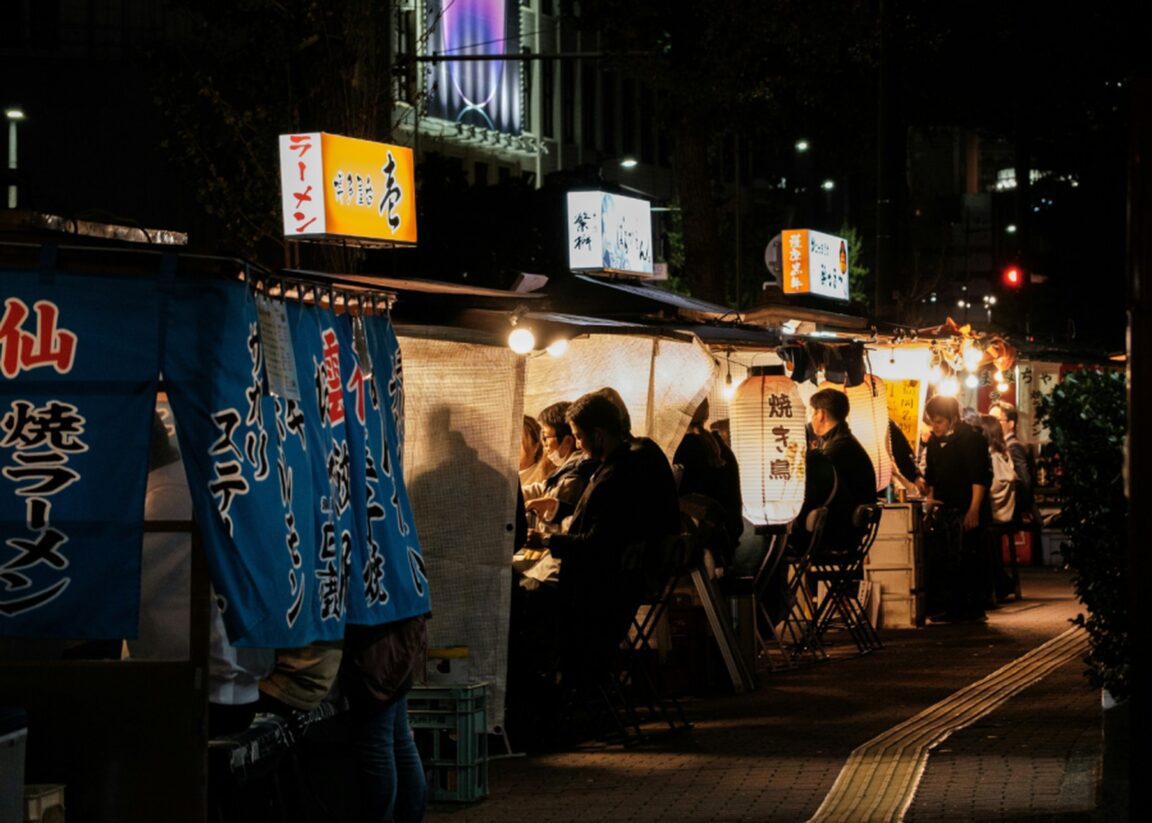
From about 6pm the stalls appear: a cart, a canopy, a counter and roughly eight to ten seats, set up along the Naka River in Nakasu, around the streets of Tenjin and in Nagahama. Fukuoka City counts around 100 licensed yatai for the year, the most famous concentration in Japan, but how many open on a given night varies, and many close on Sundays and in heavy rain. There are no reservations. You sit, you order small: gyoza, yakitori, oden, a half bowl of ramen, a drink. Cash is the safe assumption, lingering for hours at peak time is poor form, and the correct move on a busy night is one stall for skewers and another, later, for ramen. Start in Nakasu, where the riverside row is the postcard, and save Tenjin’s stalls for the second night, when you will order with more confidence.
Day 2: Tenjin, Canal City and a second stall night
What belongs in the Tenjin day?
Tenjin is Fukuoka’s downtown: department stores, the Tenjin Chikagai underground shopping street that runs beneath it, and the Daimyo district behind it, full of small boutiques, vintage shops and cafes. Spend the late morning here, add the Fukuoka City Museum or Ohori Park if the weather is kind, Ohori’s large pond and island pavilion are the city’s green pause, and keep lunch flexible around the department store food halls.
When does Canal City earn its place?
In the afternoon, and as the rainy day insurance. Canal City Hakata, a short walk from both Hakata and Nakasu, wraps shops, a cinema and hotels around an artificial canal with fountain shows. Shops run 10am to 9pm and restaurants 11am to 11pm. The fifth floor Ramen Stadium gathers ramen counters from across Japan in one hall, which is either lunch research or the honest substitute on a night when rain closes the yatai. Finish the evening back at the stalls, Tenjin side this time, or along the river in Nakasu if your first night was Tenjin. Travellers building a longer Japan trip can connect this plan to our first time in Tokyo five day itinerary, since Hakata is the western terminus of the shinkansen line that ends in Tokyo.
Day 3: The Dazaifu half-day, and a slow finish
How does the Dazaifu trip work?
Easily, which is why it is the right half-day. Dazaifu Tenmangu enshrines Sugawara no Michizane, the scholar deified as the god of learning, and students arrive year-round to pray for exam success. From Tenjin, the Nishitetsu line reaches Dazaifu in about 40 minutes with a change at Futsukaichi; a direct liner bus from Hakata Station takes a similar time. The station approach, Omotesando street, is lined with shops grilling umegae mochi, the sweet bean filled rice cakes stamped with a plum blossom, which you eat warm on the way in. The shrine grounds hold ponds, bridges, plum trees, Michizane’s story, since the plum is his emblem, and the Kyushu National Museum sits on the hill behind, worth the extra hour if exhibitions appeal.
Be back in Fukuoka by mid-afternoon. The last hours belong to the souvenir maths of Hakata Station, mentaiko (spicy cod roe), ramen kits and mochi, and, if the night is clear, a third and final yatai session, by now with a favourite stall and a standing order. For seasonal packing for a Japan trip like this one, see our Japan spring packing system, which adapts cleanly to Fukuoka’s mild autumn.
Where to stay, and getting around
Choose Hakata if you are arriving or leaving by shinkansen or want the airport subway at dawn; choose Tenjin if the trip is about eating and evenings. The subway’s Airport Line links the two in minutes, and most of this itinerary is walkable once you pick a side. Fukuoka’s great logistical gift is its airport, roughly five kilometres from the centre, so arrival day and departure day both keep their evenings, which in this city is when everything happens.
How to eat at a yatai without getting it wrong
The etiquette is simple and mostly about flow. Stalls seat around eight to ten people, so a group of five is a crowd; split up or accept a wait. Order promptly, starting with a drink and one or two small dishes, because the counter turns over on rhythm rather than reservations. Photograph the stall, not your neighbours, and ask before close shots of the cook at work. Do not treat the stall as a bar you can occupy all evening on one beer: at busy times, eat, enjoy, pay in cash and move on, possibly to a second stall, which is the local pattern anyway. Toilets are the practical catch; use the ones at the station, a convenience store or a nearby facility before you sit down, since the stall itself has none. Finally, rain is a decision point, not a detail: stalls are open-air carts, and a wet night genuinely closes many of them, which is exactly when Canal City’s Ramen Stadium earns its place in this itinerary.
Frequently Asked Questions
What time do Fukuoka’s yatai open, and do you need cash?
Most stalls set up from about 6pm, with most open by 7pm, and many run until around midnight or later. Bring cash: stalls are first come, first served, take no reservations, and card payment cannot be assumed. Many close on Sundays and in heavy rain.
How many yatai are there in Fukuoka?
Fukuoka City counts around 100 licensed stalls for the fiscal year, concentrated in Nakasu, Tenjin and Nagahama. The number open on any particular night varies by stall rest days and weather.
How long does the Dazaifu trip take?
About 40 minutes each way from Tenjin by Nishitetsu train, changing at Futsukaichi, or a similar time by direct bus from Hakata Station. Allow three to four hours in total for the shrine, the approach street and the return, or five with the Kyushu National Museum.
Is Canal City worth it if you do not like malls?
Yes, for two specific things: the canal and fountain show setting, which is genuinely unusual, and Ramen Stadium on the fifth floor, which works as a one-stop ramen survey and as the backup dinner when rain closes the yatai. Shops run 10am to 9pm and restaurants to 11pm.
Should you stay in Hakata or Tenjin?
Hakata for transport, early trains and the airport subway; Tenjin for shopping, Daimyo’s small shops and walking home from dinner. The subway connects them in a few minutes, so either base works with this itinerary.
What food should you prioritise in three days?
Hakata tonkotsu ramen first, then yatai gyoza, yakitori and oden, motsunabe hot pot for a group night, mentaiko in its many forms, and umegae mochi in Dazaifu, eaten warm on the shrine approach.