 Aiko Tanaka
Pack for Japan in winter as a layering system you can strip in seconds, not as one big coat: a merino base layer, a removable insulating midlayer and a windproof outer, over snow-grip footwear, because the same day swings between sub-zero streets in Sapporo and trains, stations and department stores heated warm enough for shirtsleeves. The classic Japan winter mistake is dressing for the coldest street and then roasting through every indoor hour. The system below solves both halves of the day, and it scales from a Tokyo and Kyoto trip, where snow is occasional, to a full snow-country itinerary in Hokkaido and the alpine towns, where deep snow and icy pavements are the daily default.
Quick Facts
- The core problem: Not cold alone, but contrast. Snow-country streets sit below freezing for weeks while trains, shops, restaurants and hotels are heated aggressively. Layers you can remove fast beat maximum insulation.
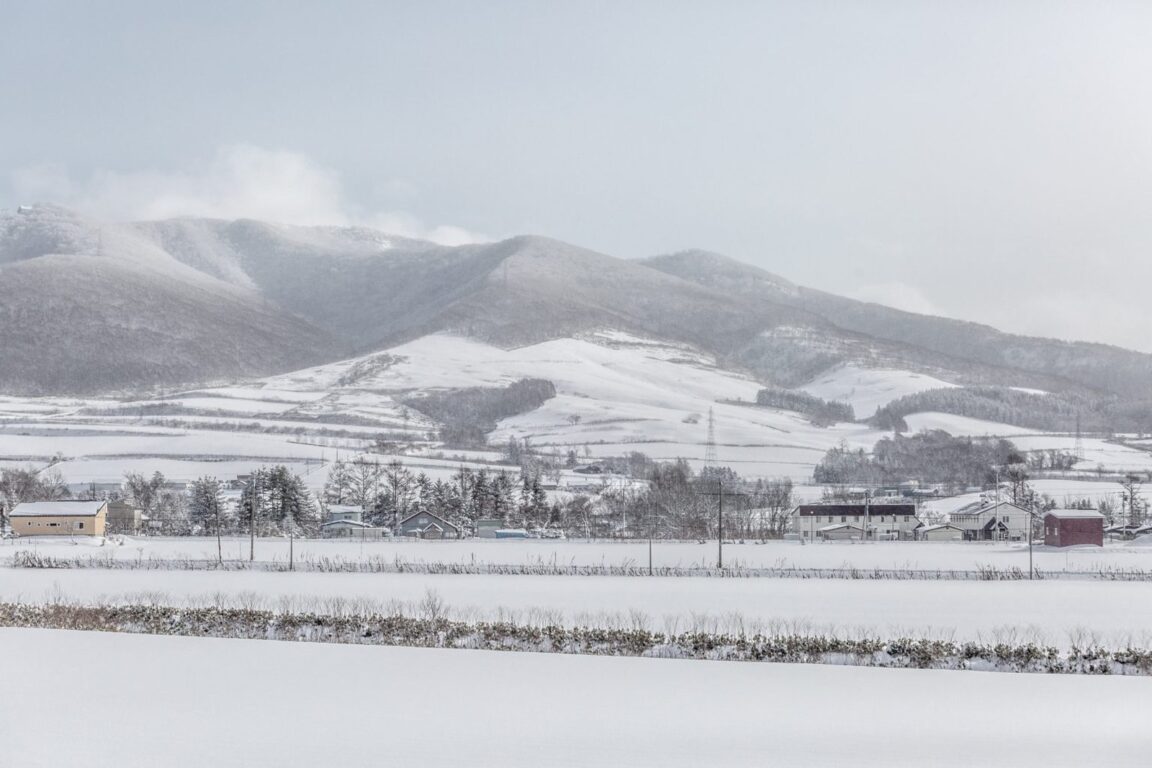
- Sapporo in midwinter: January daytime highs hover around freezing or below and nights drop several degrees lower, with deep accumulated snow through the Snow Festival period in February. Hokkaido is a different clothing category from Tokyo, not a slightly colder version of it.
- Footwear decides the trip: Snow boots or shoes with deep-lugged, soft rubber soles for Sapporo and alpine towns. Smooth-soled fashion shoes on polished ice are the most common winter injury story in Hokkaido.
- The indoor system: A packable tote or the coat’s own carry strap, because you will carry your outer layers through stations, museums and malls for hours. Coin lockers at major stations take the coat entirely on shopping days.
- Etiquette layer: Shoes come off indoors constantly, at temples, traditional restaurants and ryokan. Pack clean, intact socks in numbers, and slip-on friendly footwear for city days.
- Facts checked: Climate patterns and seasonal conditions verified on 14 November 2026 against Japan Meteorological Agency normals for Sapporo and northern Japan travel guidance.
How does the three-layer system work in Japanese cities?
The base layer is thermal underwear, top and leggings, in merino wool or a good synthetic. Japan’s own heat-tech style basics are sold in every city if you underpack, but arriving with one set in the bag is the right start. The base layer’s job is the street: standing on a Sapporo platform, walking the canal district in Otaru, or waiting for a bus in Takayama while snow falls sideways. In snow country it stays on all day, because every return to the street is a return to below-freezing air.
The midlayer is where the Japanese indoor climate changes the rules. Choose insulation you can remove in one motion and carry easily: a fleece or a light down or synthetic insulated jacket that packs into its own pocket. On the train you take it off. In the department store you take it off. In the ramen queue, which may be outdoors, you put it back on. A bulky sweater fails this test because it is awkward to carry, which is why experienced winter travellers in Japan dress like onions with zips, not like mountaineers.
The outer layer is a windproof and water-resistant coat, ideally mid-thigh length or longer. Wind is the real enemy in coastal Hokkaido, and wet snow in the alpine towns soaks an unprotected midlayer by lunchtime. Length matters because station platforms and shrine grounds involve standing still in the cold, and a coat that covers the top of the legs changes how those waits feel. For the same strip-fast logic applied to a colder capital, see our guide to what to pack for Quebec City in December, where the heated interior problem is identical.
What footwear survives Sapporo and the alpine towns?
Snow-country Japan has its own footwear culture, and copying it is the fastest route to staying upright. Locals in Sapporo wear dedicated snow boots with soft, deep-tread rubber soles that stay grippy on ice, and the city’s covered shopping arcades and underground walkways exist partly so those boots can come off the ice between destinations. Pack boots that are insulated, waterproof and high enough to keep out the snowbanks at every crossing, where ploughed snow piles deepest exactly where pedestrians step.
Three footwear details separate a good trip from a miserable one. First, soles: hard rubber and leather soles skate on polished ice, while soft compound lugs grip, and removable ice cleats are sold in Hokkaido convenience stores and station shops if your boots prove optimistic. Second, socks: merino socks in quantity, because wet socks in cold boots end days early, and because you will display your socks on tatami and wooden floors several times a day. Third, the second pair: light slip-on shoes for city days in Tokyo or Kyoto, where snow is rare, pavements are clear and you will be removing shoes at temples and restaurants often enough to resent laces. Travellers combining the trip with a North American winter city face the same heated-interior contrast, covered in our guide to what to pack for New York in December.
What are the small items that make the system work?
- Hat, gloves and neck warmer: The full set, in every bag, every day. Wind on Hokkaido platforms finds ears and fingers fast, and gloves that work a phone screen save the constant on-off cycle at every photo stop.
- Hand warmers: Disposable heat packs are sold everywhere in Japan, including station kiosks and convenience stores, and locals use them inside gloves and boots. Buy them on the ground rather than packing a supply.
- A compact umbrella: Winter precipitation in the Sea of Japan cities often falls as wet snow or sleet that soaks shoulders. Hotels lend umbrellas, but your own compact one covers the walk to the station.
- Moisturiser and lip balm: Heated indoor air is extremely dry, and the combination of cold wind outside and dry heat inside cracks lips and hands within days. Japan’s pharmacies stock excellent options if you forget.
- A tote or packable bag: For the layers you shed indoors, for convenience store runs, and for the shopping that heated arcades reliably induce. It weighs nothing and works daily.
- Spare plastic bags: For wet boots in the suitcase on travel days and for separating snow-damp gloves from dry spares.
How does the plan change between Tokyo, the Alps and Hokkaido?
Tokyo and Kyoto in midwinter are cold but rarely snowbound: daytime temperatures sit in the single digits Celsius, pavements are clear, and the standard three layers with ordinary waterproof shoes suffice, with the base layer reserved for the coldest days and evening illuminations. The alpine towns, Takayama, Matsumoto, the Nagano valley towns and the snow monkey country around Yamanouchi, sit a category colder, with real snow underfoot, so the snow-grip footwear and full base layer join the daily kit. Sapporo and the wider Hokkaido itinerary are the full snow-country setup: boots, base layers top and bottom, the longest coat, and respect for the underground walkway network, which locals use to cross the city centre in shirtsleeve-adjacent comfort while a blizzard runs overhead.
Luggage strategy interacts with all of this. Japan’s delivery services will forward a suitcase from hotel to hotel or airport to hotel, usually next day, which lets you travel between regions with a small bag and the day’s layers while the bulk follows. In snow country that is not a luxury but a safety feature, because dragging a large wheeled case through unploughed snow between station and hotel is the other classic winter injury story. Pack the small bag as a complete one-day system, coat strategy included, and let the forwarded case carry the spares.
Frequently Asked Questions
Do I really need snow boots for Sapporo?
Yes, for any stay beyond a single overnight. Sapporo’s pavements carry packed snow and ice for weeks, crossings are banked with ploughed snow, and ordinary trainers or fashion boots lose grip exactly where the ice is most polished. Insulated, waterproof boots with deep-lugged soft rubber soles are what locals wear, and removable cleats are widely sold in the city if you need a backup.
Why does everyone say Japanese trains and shops are so hot?
Because heating is set for comfort in light clothing, and winter trains, department stores and restaurants are kept genuinely warm. A traveller dressed in one heavy coat and a thick sweater has no adjustment available and spends the indoor hours uncomfortable. Removable layers, a fleece or packable insulated jacket over a base layer, are the standard local solution.
How many base layers should I pack?
Two sets is the practical number for a trip of a week or more: one to wear and one to wash or dry, since hotel laundry and coin laundries are common and merino dries overnight on a heated room’s rail. For a short city-only trip, one set plus the option to buy heat-tech basics in any Japanese city is enough.
What should I wear for a ryokan or onsen stay in winter?
The inn provides a yukata for inside, so your job is the journey and the outdoor rotenburo path: warm layers for the station to inn transfer, slip-on friendly footwear, and clean socks for tatami rooms. Outdoor baths in falling snow are a highlight of the season, and the walk to them is short but cold, so a warm layer you can leave at the changing room matters more than swimwear, which onsen do not use.
Is a long coat or a ski jacket better for Japanese cities?
A long water-resistant coat suits most itineraries better, because it covers more leg on platforms and shrine grounds, looks right in city settings and sheds wet snow. A ski jacket earns its place only if the trip includes actual snow sports, in which case pack it for the slopes and keep a lighter insulated layer for the cities, rather than wearing the ski jacket through heated Tokyo.
Can I buy winter gear in Japan if I underpack?
Easily, and locals expect you to. Heat-tech base layers, gloves, hats, hand warmers and ice cleats are stocked in convenience stores, station shops and clothing chains in every winter city, at fair prices. The exception is snow boots in large sizes, which can be hard to find, so travellers with larger feet should arrive with boots sorted.
Climate facts checked on 14 November 2026 against Japan Meteorological Agency normals for Sapporo and Hokkaido winter travel guidance. Conditions vary by week and region, and your itinerary’s coldest destination should govern the bag.