 James Wolfe
Pack for a bicycle, not a suitcase holiday: one bag that rides the Danube Cycle Path between Melk and Krems by day, keeps you warm in the apricot blossom chill of a spring morning, and still produces a clean outfit for a heuriger wine tavern in the evening. The Wachau in spring is a working landscape of terraced vineyards, orchards and river villages inside a UNESCO World Heritage cultural landscape, and the riding is mostly flat, well surfaced and broken by ferries, cafes and cellar doors. The kit that works is a small set of cycling layers that double as walking clothes, one windproof and waterproof shell, padded shorts you can wear under ordinary trousers, and a single smarter layer kept dry for the evenings. Everything else is a variation on those pieces.
Quick Facts
- Destination: The Wachau, Austria, the Danube valley between Melk and Krems, in spring, roughly March to May.
- Apricot blossom: Usually between mid March and mid April and lasting only 10 to 21 days, across roughly 100,000 apricot trees, per the Hotel Schloss Durnstein blossom guide checked today.
- The riding: The Danube Cycle Path runs through the Wachau on both banks as part of the EuroVelo 6 route, mostly flat and paved, with roll on and roll off ferries linking the north and south banks.
- On foot: The World Heritage Trail totals 180 kilometres in 14 stages, per Lower Austria tourism, so walking shoes earn their place alongside cycling kit.
- Evenings: Heuriger wine taverns and village restaurants in Durnstein, Weissenkirchen, Spitz and Krems. Dress is tidy and casual, never formal.
- Bag strategy: One pannier friendly soft bag or a carry on sized duffel, plus a small handlebar or day bag. Layers do the work.
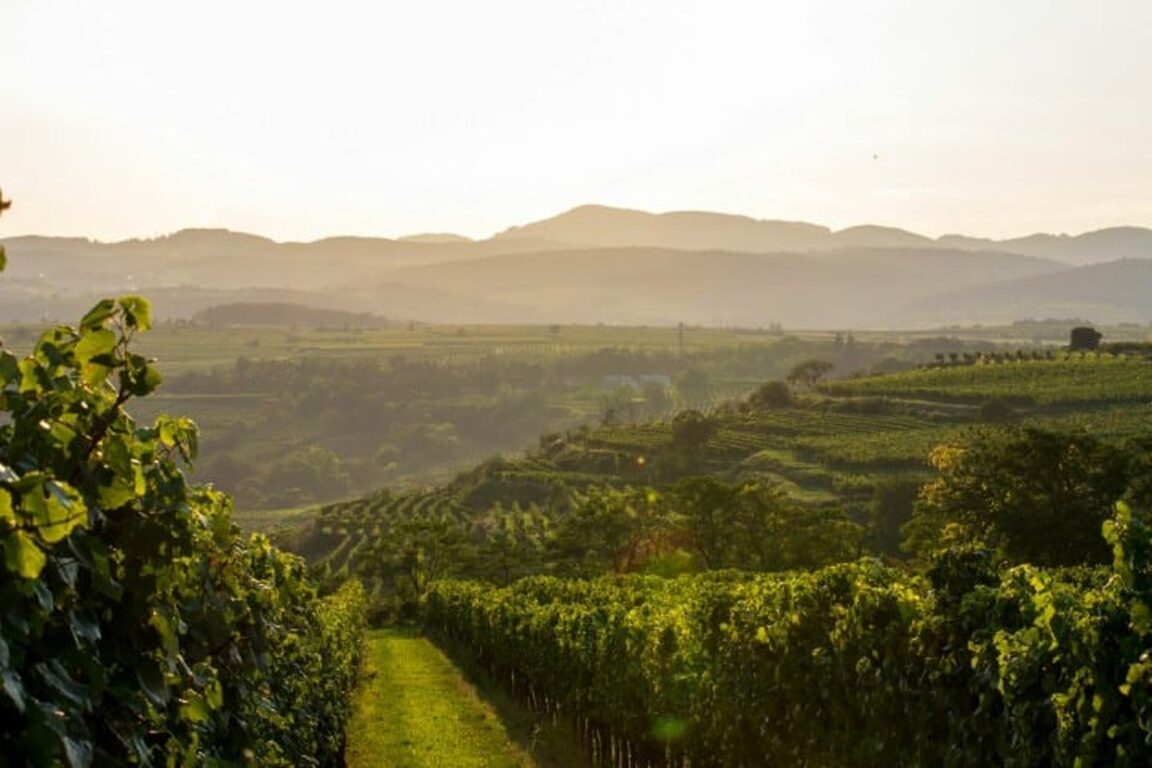
- Photo credit: Photo by Jakob on Unsplash, Unsplash License.
Why does a Wachau spring bag revolve around the bike?
Because the bicycle sets the rhythm of the whole trip. Most Wachau spring days are built as a ride out, a long lunch, a ride back or a train assisted hop, and a village evening. The path follows the river through Durnstein, Weissenkirchen and Spitz on the north bank and the apricot villages of the Rossatz and Arnsdorf shore on the south bank, and the distances between villages are short enough that you stop often. That stop and start pattern is what the packing has to serve: clothes that are comfortable pedalling for an hour, presentable in a cafe ten minutes later, and warm enough for a shaded terrace when the sun drops behind the vineyard terraces.
The second rhythm is the blossom. The apricot bloom moves through the valley over two to three weeks, starting near Krems and working upriver, and riders time whole trips around it. Blossom weeks are beautiful and cold at the edges of the day, with orchard shade and river air keeping mornings sharp even when afternoons turn mild. A bag built only for warm spring sunshine fails at 9 in the morning on the south bank. For help choosing where to sleep along the ride, see our guide to where to stay in Durnstein and the Wachau, which matches the valley bases to trip styles.
What is the cycling layer system for the Danube path in spring?
Build the kit in three layers, and wear the bulkiest pieces on travel days. The base layer is two merino or synthetic short sleeved tops and one long sleeved top, all of which can be rinsed in a sink and dried overnight on a hotel radiator or balcony rail. Merino earns its space here because it stays comfortable across a wide temperature range and does not hold odour across a week of riding. The mid layer is one light insulated jacket or fleece warm enough for standing still at a viewpoint above the terraces, because a motionless ten minutes in river wind is far colder than the same ten minutes pedalling.
- Base: 3 merino or synthetic tops, mixed sleeve lengths.
- Mid: 1 fleece or light insulated jacket, worn on the train and on cold starts.
- Shell: 1 waterproof jacket with a hood that fits over a helmet or a warm hat, plus lightweight waterproof overtrousers if the forecast for your week is unsettled.
- Legs: 1 pair of padded cycling shorts or padded liner shorts, 2 pairs of ordinary walking trousers or softshell trousers that pedal comfortably.
- Extremities: Thin full finger gloves, a buff or neck gaiter, and a warm hat for early starts and ferry decks.
- Feet: Flat soled walking shoes that work with flat pedals, plus 4 pairs of merino socks.
The shell is the single most important item in the bag. Spring weather in the valley can turn inside an hour, the Danube generates its own breeze, and a ferry crossing in wind driven drizzle will soak an unprepared rider in minutes. A shell that lives in the pannier or day bag, rather than in the hotel room, is the difference between a shower and a ruined day.
What cycling specific kit is worth its space, and what is not?
Worth it: padded liner shorts, which turn any trousers into cycling trousers and wash and dry faster than full cycling shorts. A small repair roll with a spare tube in the size your hire bike uses, tyre levers and a multitool, agreed with the hire shop before you leave, because a puncture on the quiet south bank path is a long walk from the nearest village. A phone mount or a simple handlebar bag for navigation, snacks and the shell. A lightweight cable lock for cafe stops, where bikes are usually parked in sight but not secured. Sunscreen and lip balm, because river glare and wind combine in ways that catch riders out in April.
Not worth it: a full road cycling wardrobe of jerseys with pockets you will not use at this pace, cleated shoes and pedals for a hire bike holiday, a heavy hard shell suitcase that no pannier or luggage transfer will accept, and a second jacket. Wachau luggage services and hotels are set up for soft bags moving village to village. A rigid case fights the whole system.
How do you pack for heuriger evenings without a second wardrobe?
One outfit, assembled from pieces that already work in the day. The clean merino top or a knit top that has been kept sealed in a packing cube, the smarter of the two trousers, the flat shoes wiped down after the ride, and a scarf or light overshirt if the bag allows. Heuriger culture is generous and informal: these are winegrowers taverns serving their own young wine and simple food, often in courtyards and gardens, and a tidy rider who has changed out of cycling clothes fits in everywhere. What does not work is arriving in padded shorts and a rain jacket, so the sealed clean top is the one deliberate luxury in this bag.
Evenings are also when the mid layer returns. Tavern gardens and the walk back along the river cool quickly after sunset in spring, and the insulated jacket that served the morning ride serves the evening walk. If the trip extends to Vienna at either end, the same outfit covers a city evening; our assessment of the Hotel Sacher in Vienna shows the formal end of Austrian hotel life, and even there, tidy and dark reads correctly in the cafe.
What goes in the day bag on the path?
- The shell: Always, whatever the morning looks like.
- Water and food: A filled bottle and a bakery stop planned in the next village; distances are short, but Sunday and holiday opening can thin out options.
- Navigation: An offline map of the valley on your phone, plus the hire shop number saved. Signposting is excellent, but ferry times and path diversions are easier with a map.
- Documents: Photo identification, payment card and a small amount of cash. Smaller taverns and ferries can be cash friendly rather than card only.
- Blossom kit: Sunglasses, sunscreen and a light hat for orchard stops at midday, when the valley floor is at its warmest.
What should you leave out of a Wachau spring bag?
Leave the expedition weight coat, the dress shoes, the hair styling hardware and any garment that only works for one hour of the trip. Leave cotton hoodies and cotton socks, which stay cold when damp on a river morning. Leave a large rigid suitcase, for the reasons above, and leave a second pair of cycling shoes. If the forecast for your exact week shows a settled warm spell, drop the overtrousers and the heaviest fleece, but never drop the shell or the gloves: the valley makes its own weather at the edges of the day, in every spring week.
Frequently Asked Questions
When is apricot blossom in the Wachau?
Usually between mid March and mid April, lasting 10 to 21 days, per the blossom guidance checked today. The bloom starts near Krems and moves upriver over the following days, and exact timing depends on the winter and early spring temperatures, so check the blossom webcam and local reporting in the week before you travel.
Can I do the Wachau ride with carry on only?
Yes. Wear the insulated jacket and walking shoes while travelling, pack the shell and clothing in cubes, and rely on padded liner shorts instead of a full cycling wardrobe. The bag only grows if you add formal evening clothes, which the heuriger evenings do not require.
Do I need my own bike, helmet and tools?
No. Krems, Durnstein, Weissenkirchen, Spitz and Melk all have hire operations offering touring bikes and e bikes, and helmets and basic tools are normally arranged with the hire. Confirm the tube size and what the hire includes when you book, and carry the small repair roll listed above.
Which bank of the Danube is better for cycling?
Both work, and the ferries make it easy to combine them. The north bank carries the villages, stations and most services. The south bank is quieter and runs through the largest apricot orchards around Rossatz and Arnsdorf. A loop using a ferry crossing is the classic spring day.
What is the one item riders most often forget?
Gloves. Spring mornings on the river are cold on exposed hands, and a thin full finger pair weighs almost nothing. A buff is the close second, for ferry decks and shaded terrace evenings.
Last updated: 16 November 2026. Blossom timing and trail figures are from Lower Austria tourism and valley sources checked today; check ferry times and hire shop hours for your exact dates.