 Elena Vasquez
Pack for a lake summer with a split personality: hot, dry afternoons on the water at Lake Coeur d Alene, Lake Pend Oreille and Priest Lake, cool mornings on forest trails, and, in late summer, the real possibility of wildfire smoke changing the plan for a day or two. The Idaho Panhandle in summer runs on long daylight, cold clear water and big temperature swings between the beach and the evening shore. The bag that works is a swim and sun kit that lives at the top, a light insulating layer for mornings and boat rides, trail shoes that can get dusty and wet, and a small smoke season contingency of a well fitting respirator mask and a plan B wardrobe for indoor and low exertion days. One bag does all of it, if the layers are chosen for range rather than for single perfect days.
Quick Facts
- Destination: Idaho Panhandle, northern Idaho, in summer, built around Coeur d Alene, Sandpoint and the Priest Lake country.
- Summer temperatures: Sandpoint averages a July high of 82 degrees Fahrenheit and a low of 50 degrees, per WeatherSpark climate data checked today. Coeur d Alene long term averages also put July and August highs at 82 degrees.
- The lakes: Lake Coeur d Alene stretches 25 miles through the forested panhandle. Lake Pend Oreille, at Sandpoint, is the largest lake in Idaho, and Priest Lake lies north toward the Canadian border.
- Rain pattern: Summer is the dry season. August is the driest month in Sandpoint, averaging 0.7 inches of precipitation.
- Smoke caveat: Late summer can bring regional wildfire smoke, some years barely at all and some years for a week or more. Check air quality daily in August and September.
- Bag strategy: One soft duffel or carry on sized bag plus a daypack that works as a boat bag and a trail bag.
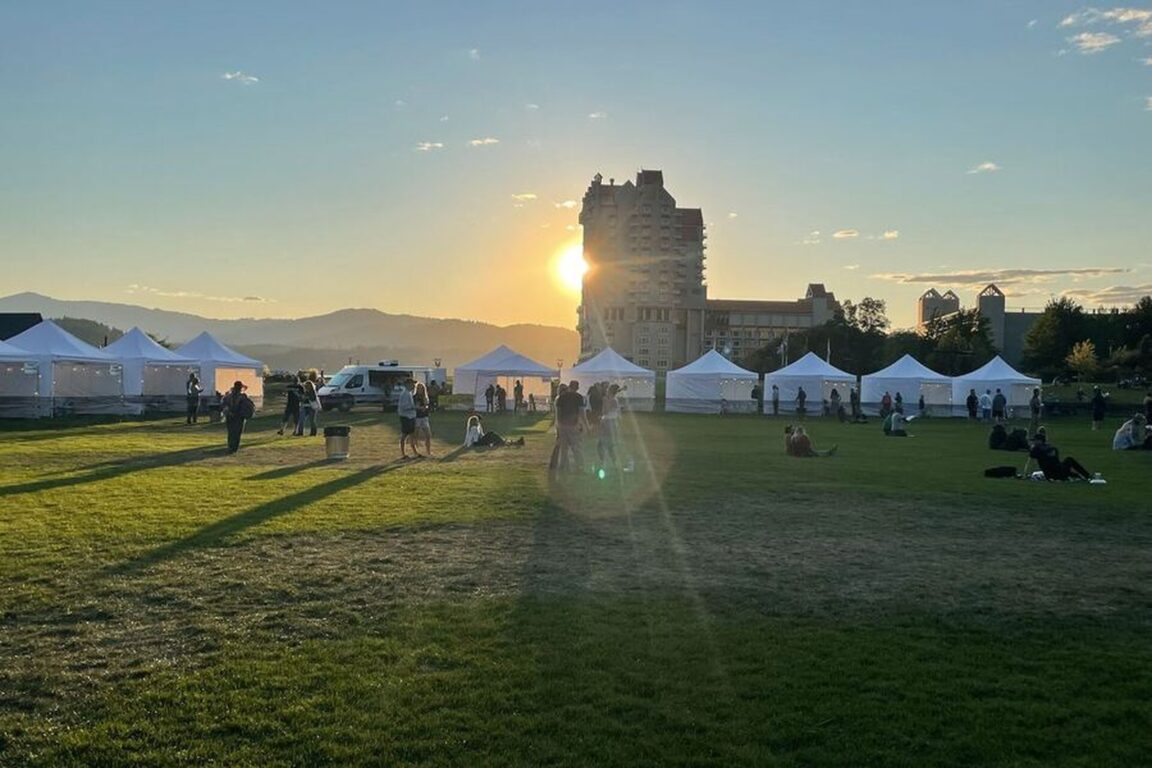
- Photo credit: Photo by Jenna Ellis on Unsplash, Unsplash License.
Why does a Panhandle summer bag need both swim kit and a warm layer?
Because the same day routinely contains both. A typical Panhandle summer day starts cool enough for a fleece at a lakeside campsite or a Sandpoint cafe, builds to a hot early afternoon made for swimming, paddling and boat time, and then cools fast once the sun drops behind the Selkirk or Cabinet mountains. The water itself stays cold by the standards of most American lake regions, fed by mountain streams and snowmelt, so time in the lake is active and refreshing rather than bath warm, and a warm layer waits on shore for every swimmer.
The geography spreads the conditions wider. Coeur d Alene sits at the southern end of the Panhandle, Sandpoint and Lake Pend Oreille are an hour or so north, and Priest Lake is higher, more remote and cooler again, close to the Canadian border. A trip that strings the three together crosses small climate steps at every move, and the bag has to absorb all of them without growing. Route planning for the wider region pairs well with our Badlands first timer guide for travellers building a northern road trip, which uses the same layer first logic in a drier landscape.
What is the lake day kit, packed properly?
- Swim: 2 swimsuits, so one is always dry. Dark colours handle lake water and dock life better than white.
- Sun: A wide brim hat or cap, sunglasses with a retainer strap for boat days, and high protection sunscreen, reapplied after every swim. High elevation and water reflection burn faster than visitors expect.
- Water shoes: One pair of secure sandals or water shoes for rocky entries, docks and paddle launches. Many Panhandle shores are gravel, rock or forest edge rather than sand.
- Dry system: A dry bag for phone, keys and a layer on paddle and boat days, and a packable towel that dries overnight.
- Warmth on shore: The fleece or light insulated jacket, which is the post swim layer, the boat ride layer and the evening layer in one.
- Evening: One clean shirt or knit top and the smarter trousers, kept sealed in a cube, for town dinners in Coeur d Alene and Sandpoint.
Build the rest of the clothing around quick drying fabrics. Three merino or synthetic tops, two pairs of shorts and one pair of long trousers cover a week with sink washing, and four pairs of merino socks cover trail days. Cotton stays at home: it is slow to dry in a lakeside cabin, cold after a swim day breeze, and heavy in the bag.
What do forest trail days add to the bag?
Broken in walking shoes with real tread, first of all. Panhandle trails run from the easy Tubbs Hill loop at the edge of downtown Coeur d Alene to longer forest routes in the Kaniksu and Idaho Panhandle national forests, and surfaces mix roots, rock, dust and, after any rain, mud. A daypack with water capacity matters more here than in many regions, because trailheads are often a drive from services and summer afternoons are hot and dry. Carry at least a litre per person, more on exposed routes, plus food bought in town before you drive out.
Add insect repellent and a light long sleeved layer for forest shade, where mosquitoes work the still air near creeks and lake edges at the start and end of the day. Add a headtorch for campsite and cabin life, because Panhandle nights away from town are properly dark. And add the habit, borrowed from every mountain region, of keeping the warm layer and a rain shell in the daypack even on a blue morning: summer thunderstorms build over the ranges, and the dry season is a pattern, not a promise. Our guide to where to stay around Wind Cave National Park covers the same drive out, self sufficient day pattern for the Black Hills leg of a northern route.
How does the smoke season contingency work without ruining the trip?
Honestly and lightly. Regional wildfire smoke reaches the Panhandle in some late summers, drifting in from fires in Idaho, Montana, Washington or British Columbia, and it can settle for days or pass in an afternoon. The packing response is small: a few well fitting respirator style masks rated for fine particles, saline eye drops if you use them, and any inhaler or allergy medication you rely on, carried in hand luggage and not checked. The planning response matters more. Check the air quality index each morning, front load the big hikes and high viewpoint days into the clearest part of the trip, and hold the lake swimming, town days, scenic drives and rest days as the flexible pieces that can absorb a smoky spell.
What not to do is pack a second, separate smoke wardrobe or cancel at the first hazy photograph online. Conditions vary valley by valley and day by day, locals plan around the same forecasts visitors use, and a trip built with flexible days usually loses little. If smoke is heavy on a given day, treat it like rain in any other region: move indoors, drive to a clearer drainage, or take the rest day the itinerary needed anyway.
What should you leave out of a Panhandle summer bag?
Leave formal clothes, a heavy coat, dress shoes and a full size hard suitcase if cabin and gravel parking are on the route. Leave cotton towels, cotton socks and jeans for trail days. Leave a second pair of boots; one trail shoe and one water sandal cover the whole trip. And leave the assumption that a lake trip needs a beach wardrobe of many outfits. The Panhandle rewards a small, repeatable kit worn in rotation, rinsed often, and built around the water. The same discipline, in a colder key, drives our Shenandoah Valley autumn packing list.
Frequently Asked Questions
How warm is the Idaho Panhandle in summer?
Warm and dry by day, cool by night. Sandpoint averages a July high of 82 degrees Fahrenheit and a low of 50 degrees, per WeatherSpark, and Coeur d Alene long term averages match that pattern, with July and August the warmest and driest months. Pack for both ends of that range every day.
Can I swim in the Panhandle lakes in summer?
Yes, and summer is the swimming season. The water is cold and clear, fed by mountain streams, so most swimmers go in actively and often rather than floating for hours. A dry warm layer on shore and water shoes for rocky entries make the difference between a quick dip and a full lake day.
Do I need to worry about wildfire smoke?
Check it, do not fear it. Late summer smoke is a real possibility in some years and a non event in others. Carry particle rated masks, keep the itinerary flexible, check air quality each morning, and swap a smoky day hike for a lake, town or rest day.
Is carry on enough for a week?
Yes, with quick drying clothing and sink washing. Wear the trail shoes and the warm layer while travelling, pack two swimsuits and the sun kit, and let the daypack double as the boat bag. The bag only grows if you add a second smart outfit or full camping equipment, neither of which a lodge and cabin trip needs.
What is the one item people most often forget?
Water shoes. Visitors picture sand and meet gravel, rock and dock edges instead. A secure pair turns rocky entries at Priest Lake and Pend Oreille from a negotiation into a non issue.
Last updated: 16 November 2026. Temperatures and rainfall are long term climate averages from WeatherSpark and regional climate summaries checked today; check air quality and fire conditions for your exact dates.