 Lucas Meyer
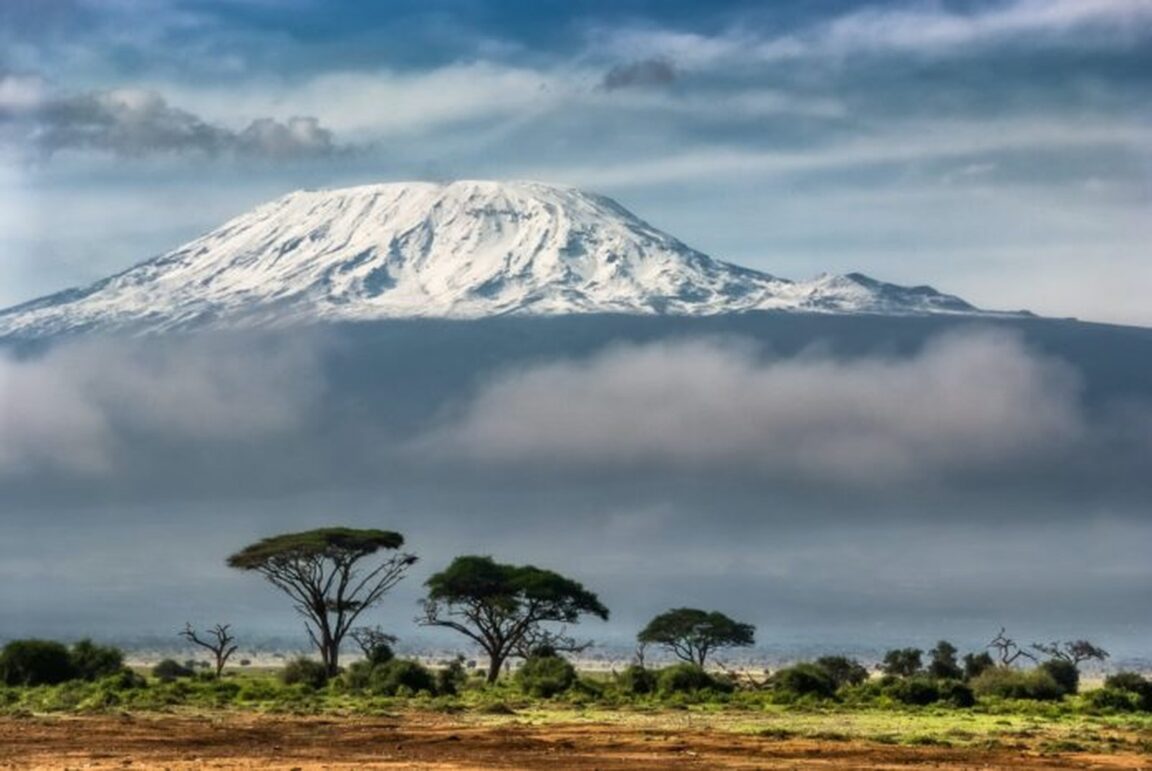
Pack for Kilimanjaro in two bags and five climate zones. Porters carry a duffel that most responsible operators cap at about 15 kilograms per climber, inside the Kilimanjaro Porters Assistance Project standard that no porter carries more than 20 kilograms of company load. You carry a daypack of roughly 5 to 7 kilograms with the day’s water, layers and rain gear. The clothing system is the mountain itself, layer by layer: moisture managing base layers for the forest, fleece and insulation for the moorland and alpine desert, and a full summit kit of heavy insulation, windproof shell, warm hat, gloves and headlamp for the midnight push to Uhuru Peak at 5,895 metres. Rent the bulky, rarely used items in Moshi or Arusha, own the layers that touch your skin, and keep the duffel honest.
Quick Facts
- Summit: Uhuru Peak, 5,895 metres (19,341 feet), the highest point in Africa.
- Porter standard: The Kilimanjaro Porters Assistance Project (KPAP) standard caps a porter’s company load at 20 kilograms, excluding the porter’s personal kit. Kilimanjaro National Park weighs loads at the gates.
- Your duffel: Most operators set the climber’s duffel allowance at about 15 kilograms. It is an operator policy inside the porter standard, so confirm your own operator’s figure in writing.
- Your daypack: About 5 to 7 kilograms, including 2 to 3 litres of water on most days and more on summit day.
- Crew ratio: KPAP standards call for at least 3 porters per climber on most routes, and at least 2 on the Marangu route.
- Rental reality: Sleeping bags, insulated jackets, poles, gaiters and large duffels are widely rented in Moshi and Arusha. Boots, base layers and socks should be your own, broken in and fitted.
- Rules checked: Porter standards verified on 14 November 2026 against KPAP partner criteria.
How do the porter rules shape your packing?
Every kilogram in your duffel is carried up the mountain by a person, at altitude, and the system is built to keep that fair. KPAP, founded in 2003 to improve porter working conditions, monitors partner companies against standards that include the 20 kilogram load cap, a minimum daily wage, three meals a day for crew, proper shelter and transparent tipping, and partner status requires a score of 85 percent or higher. Your part of that system is the duffel limit. Operators commonly set it near 15 kilograms because your bag shares a porter’s 20 kilogram load with group equipment allocations across the team. Duffels are weighed at the park gate, and an overweight bag is redistributed or leaves items behind, so weigh at home and leave a margin.
Choosing a KPAP partner operator is the simplest ethical decision in the whole packing process, and it is also a quality signal: a company audited on porter welfare is a company paying attention. The duffel itself should be a soft, waterproof lined bag, never a wheeled suitcase, which porters cannot carry efficiently. Lockable zips, a repair kit and a bright identifier all earn their grams. Our Kenya safari packing guide covers the same soft bag discipline for weight capped bush travel in the same region.
What is the layer system, zone by zone?
Forest and moorland: base layers and rain
The lower mountain is warm, humid and often wet. Pack two merino or synthetic base layer tops, one short sleeve and one long sleeve, trekking trousers that convert or pair with shorts, and a proper waterproof jacket and trousers set in the daypack from day one. Rain in the forest zone is a near daily event in season, and wet clothing at the first camps is a comfort and warmth problem that follows you upward.
Alpine desert: fleece, insulation and sun
Above the moorland the days are hot under intense high altitude sun and the nights drop below freezing. Add a fleece midlayer, a synthetic or down insulated jacket for camp, a wide brim sun hat, high protection sunscreen and glacier style sunglasses for the upper mountain. Temperature swings of 25 degrees between afternoon and night are normal in this zone, which is why the system is built from pieces rather than one heavy garment.
Summit night: the full kit
The summit push starts around midnight, in the coldest hours, with wind. The working summit set is: merino base layer top and leggings, fleece, heavy insulated jacket, waterproof shell jacket and trousers over everything, insulated hat plus balaclava or buff, liner gloves inside heavy warm gloves or mittens, double sock system, and gaiters. Your daypack carries 3 to 4 litres of water in insulated bottles or a covered bladder tube, because uninsulated tubes freeze. A headlamp with fresh batteries is not optional kit; the first five hours of summit day happen in the dark.
What should you rent, and what must you own?
Rental shops in Moshi and Arusha exist because Kilimanjaro kit is specialised, bulky and, for many climbers, used once. Renting well is a skill, not a shortcut:
- Rent: A four season sleeping bag, the heaviest item for most travellers to fly with, plus trekking poles, gaiters, a large insulated jacket if you live somewhere warm, and the porter duffel itself if you do not own a suitable soft bag.
- Rent with inspection: Check zips, loft and cleanliness on the spot, try the sleeping bag for length, and test pole locks. Rental quality varies widely between shops, and the time to discover a broken zip is in Moshi, not at 4,700 metres.
- Own, always: Boots, well broken in over months, because rental boots are the leading avoidable cause of blistered, failed summits. Base layers, socks and underwear, for fit and hygiene. Your daypack, fitted to your back. Sunglasses, headlamp and any prescription medication.
- Own if you can: Your insulated jacket and shell. These are the items you will also use on every future mountain trip, and the fit of a shell over summit layers is personal.
Budget honestly for rental: it is a real line item, priced per item per trip, and it should be confirmed with your operator or shop before arrival so summit week holds no surprises. The layering logic here transfers directly to other high treks; see our Patagonia packing system for the same base, mid and shell structure in extreme wind.
What goes in the daypack every day?
- Water: 2 to 3 litres, refilled at camp each morning.
- Rain shell: Jacket always; trousers on forest days and summit night.
- Warm layer: Fleece or insulated jacket, sized to the zone.
- Sun kit: Hat, sunglasses, sunscreen and lip protection.
- Snacks and personal items: Trail snacks, blister kit, personal medication, toilet paper and sanitiser in a sealed pouch, camera and power bank in dry bags.
- Never in the duffel: Medication, documents, money and anything you would need before evening camp.
Frequently Asked Questions
How much can my Kilimanjaro porter carry?
The KPAP standard caps a porter’s company load at 20 kilograms, excluding the porter’s own personal kit, and loads are weighed at the park gates. Your personal duffel allowance, commonly about 15 kilograms, is set by your operator inside that system.
Can I bring a suitcase instead of a duffel?
No. Porter carried luggage must be a soft duffel that conforms to a load and can be carried on steep trails. Wheeled suitcases are not accepted for the porter system and are impractical at camps.
Is renting gear on Kilimanjaro reliable?
Mostly, with inspection. Moshi and Arusha rental shops stock the full summit list, but quality varies, so examine zips, loft, pole locks and sleeping bag length in the shop. Boots and next to skin layers should be your own regardless.
How cold does summit night get?
Well below freezing, with wind, at nearly 5,900 metres. Pack for it as the defining condition of the trip: full insulation, windproof shell over all layers, heavy gloves or mittens, warm hat and balaclava, and a headlamp for the midnight start.
What is the most common packing failure?
An overweight duffel discovered at the gate, and boots that were bought for the trip and never broken in. Weigh the duffel at home with margin to spare, and give the boots months, not days.
Porter standards checked on 14 November 2026 against Kilimanjaro Porters Assistance Project partner criteria as published by KPAP partner operators on that date. Duffel allowances vary by operator and govern your booking.