 Wei Chen
Pack for Uzbekistan as three trips in one bag: overnight and high speed trains between Tashkent, Samarkand, Bukhara and Khiva, long bazaar and monument days on foot in strong sun or sharp cold depending on season, and mosque and mausoleum visits where covered shoulders, covered legs and, for women at active shrines, a headscarf are the working dress code. The system that covers all three is breathable layers that stack, one modest outfit set that never needs improvising, a daypack organised for rail documents and bazaar finds, and deliberate empty space, because Samarkand bread, dried fruit, ceramics and textiles are the souvenirs everyone underestimates. Build the bag around modesty, temperature swing and luggage handling, and the Silk Road route runs smoothly.
Quick Facts
- The classic route: Tashkent to Samarkand to Bukhara, with Khiva as the western extension, linked by rail including the Afrosiyob high speed trains on the Tashkent to Samarkand to Bukhara corridor.
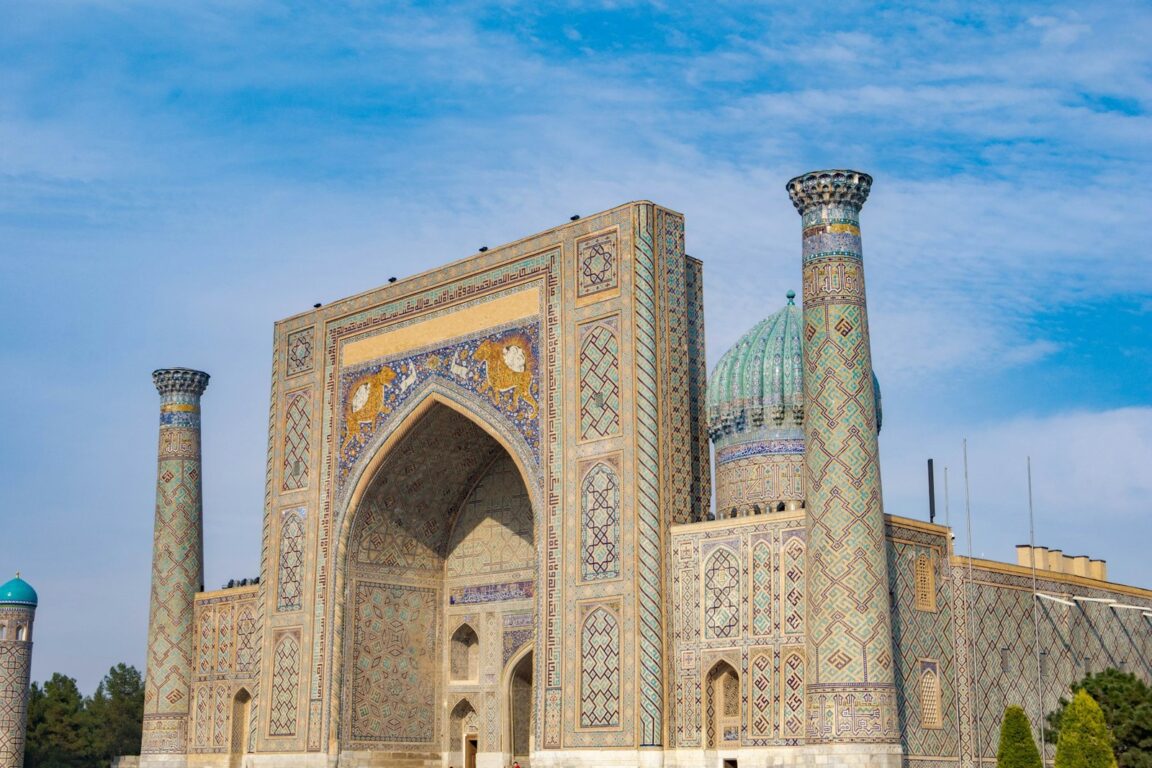
- Dress code in practice: Shoulders and knees covered inside mosques and active shrines, including the Tilya-Kori mosque at the Registan. Women should carry a light scarf for shrine areas such as Shah-i-Zinda, where modest dress and quiet behaviour are expected at an active place of pilgrimage.
- Tashkent Metro rule that affects packing: The metro is a working transport system and a sight in itself, but pack a day bag you can keep closed and in front of you, as on any metro.
- Temperature swing: Desert cities such as Bukhara and Khiva pair hot afternoons with cold evenings in shoulder season, and summer sightseeing routinely passes 35 degrees Celsius. Layers are not optional.
- Bazaar reality: Siyob Bazaar in Samarkand and the trading domes of Bukhara reward travellers with a packable tote, small notes, and luggage space held in reserve.
- Best seasons: Spring and autumn, roughly April to May and September to October, bring the comfortable sightseeing weather the packing system below is tuned for.
- Facts checked: Route, dress and site details verified on 14 November 2026.
How do you pack for Uzbekistan’s trains?
Rail is the spine of the trip, and it shapes the luggage choice. Trains mean platforms, stairs, overhead racks and shared compartments on the slower overnight services, so one medium soft sided case or large backpack plus a daypack beats a giant rigid suitcase at every transfer. Keep the rail essentials in the daypack, never in the hold bag: passport and any visa or registration documents, tickets or booking confirmations on the phone with an offline copy, water, snacks for the journey, a light layer for air conditioned carriages, and chargers, because a dead phone at a night arrival is a logistics problem, not a minor annoyance.
For overnight legs, add the sleeper kit: earplugs, an eye mask, a small wash kit and a change of top in the daypack, so the main bag can stay closed and racked. Comfortable slip on shoes earn their place for night carriages. The same keep documents and a layer on your person rule runs through our Egypt winter packing guide, written for Nile cruise and desert transfers with similar swings between hot days and cold nights.
What does modest dressing actually require, day to day?
Uzbekistan is a relaxed country for visitors in its cities, and the strict requirements are site specific. Inside mosques, madrasa mosques and active shrines, the standard is covered shoulders, covered knees and no sleeveless tops, for everyone. At Shah-i-Zinda, a living pilgrimage site as well as a monument, modest clothing is expected and women will be more comfortable with a scarf available for the shrine at the top of the lane. Pack the solution rather than improvising it at the gate:
- Two modest outfits: Loose trousers or a long skirt with tops that cover shoulders, in breathable fabric. These are also your most comfortable hot afternoon clothes, so they will work double duty.
- A light scarf: Large enough to cover hair and shoulders, light enough to live in the daypack permanently. It also serves as sun cover, a train pillow cover and an evening extra layer.
- Easy slip off shoes: Some interiors and homes mean shoes off, so laceless, clean sock friendly footwear speeds every transition.
- A respectful default: Outside the sites, Tashkent dresses like any modern capital. The packing takeaway is range, not restriction: one bag that can do a metro ride, a mosque courtyard and a chaikhana dinner without a costume change.
What is the layer system for desert cities and bazaar days?
Bukhara and Khiva are desert cities, and Samarkand’s continental climate is not far behind. In the classic spring and autumn windows, that means warm, bright sightseeing days and evenings that cool quickly once the sun drops off the tilework. Pack a breathable base wardrobe of linen and cotton or technical equivalents, one warm midlayer, and one windproof outer layer for evenings and for the open courtyards of Khiva’s Ichan Kala at dawn. In high summer, sightseeing shifts to early morning and evening, and the midlayer gives way to maximum sun protection: a wide hat, high protection sunscreen, and the scarf as a shoulder shield.
Bazaar days have their own micro list. A packable tote or foldable backpack carries the day’s purchases so your hands stay free for tastings and negotiation. Small value notes, kept in a front pocket separate from the main wallet, match how bazaar buying actually works, from Samarkand non bread and dried apricots at Siyob to ceramics and suzani textiles further west. Comfortable, closed, already broken in walking shoes matter more than any fashion choice: bazaar and old town surfaces are uneven stone, dust and, around Bukhara’s ponds and canals, occasionally slick. For hot country layering with a desert night problem, our Morocco winter carry-on system solves a very similar medina, mountain and desert swing.
What should you deliberately leave space for?
Underpacking the outbound bag is a strategy here, not a failure of planning. Uzbekistan’s classic purchases are bulky relative to their weight: round Samarkand bread does not travel, but dried fruit, nuts and spices do; ceramics from Rishtan or Gijduvan are fragile and need wrapping volume; ikat silk and suzani embroidery fold flat but accumulate. Pack a soft duffel inside the main bag as the overflow plan, plus a roll of small bags for spices and a layer of clothing reserved as ceramic padding. Fragile purchases belong in the cabin bag on the flight home, wrapped, never in checked luggage, and food items should be checked against your home country’s import rules before the bazaar, not at the airport.
Frequently Asked Questions
Do women have to cover their hair in Uzbekistan?
Not as a general street rule. At active shrines and inside mosques, head covering for women is the respectful standard, and a light scarf in the daypack covers every situation the classic route presents, including the shrine at Shah-i-Zinda.
What bag works best for the train based route?
One medium soft sided case or travel backpack plus a daypack. The route involves platforms, racks and compartment doors, and a single manageable main bag makes every transfer, including night arrivals, simpler and safer for your belongings.
How hot and cold can one day get?
In shoulder season, desert cities pair warm afternoons with genuinely cold evenings, and summer afternoons in Samarkand and Bukhara regularly pass 35 degrees Celsius. Dress in layers in spring and autumn, and plan summer sightseeing for early and late in the day.
What is the one item travellers forget for Uzbekistan?
The scarf, because it solves four problems at once: shrine dress, sun cover, train comfort and evening chill. The second most forgotten is reserve luggage space for bazaar purchases.
Are shorts acceptable in Uzbekistan?
In Tashkent and resort contexts, longer shorts pass without comment in hot weather, but they fail the dress code for mosques and shrines, where knees must be covered. Pack modest trousers or a long skirt as the default sightseeing outfit and shorts become a non issue.
Route, site and dress details checked on 14 November 2026 against Uzbekistan destination sources as reported on that date. Site dress enforcement can vary; the modest default in this guide satisfies the strictest site on the classic route.