 LeVar Thomas
Three days in Mendoza split cleanly by wine geography. Day one is the city itself and Maipu, the closest bodega zone, done by bicycle between historic wineries and olive oil farms. Day two is Lujan de Cuyo, the classic Malbec heartland about 30 minutes south, done with a driver and a long vineyard lunch. Day three is the upgrade: the Uco Valley, 80 to 120 kilometres south, where high altitude vineyards sit directly under the Andes, or, if the mountains call louder than the wine, the high Andes road toward Aconcagua. One rule governs all of it: almost every serious bodega works by advance reservation only, so the itinerary is built by booking first and routing second.
Quick Facts
- Wine zones: Maipu (closest, bikeable), Lujan de Cuyo (classic Malbec, about 30 minutes), Uco Valley (high altitude, about 90 minutes)
- Uco Valley altitude: Vineyards at roughly 900 to 1,500 metres, among the highest in the world
- Reservations: Required at almost all wineries for tours, tastings and lunches; book days ahead, a week ahead in harvest season
- Aconcagua: 6,961 metres, the highest peak outside Asia, reached as a day trip on the road toward the Chilean border
- Harvest season: The Vendimia harvest festival peaks in early March; picking runs roughly February to April
- Driving law: Argentina enforces a zero alcohol limit for drivers nationally; hire a driver for wine days
- City grid: Five main plazas, one central, Plaza Independencia, and four smaller squares set diagonally around it
- Airport: El Plumerillo (MDZ), about 8 kilometres north of the centre, with frequent Buenos Aires flights of about two hours
Day 1: The city grid and the Maipu bike day
Spend the first morning learning the city, because Mendoza’s layout is its history. After the 1861 earthquake destroyed the colonial city, it was rebuilt on a new grid of wide, tree lined avenues, irrigation channels called acequias running beside the pavements, and five plazas designed partly as earthquake refuges. Walk Plaza Independencia and the four satellite squares, then the General San Martin Park, the vast green park at the city’s western edge, whose gates and lake sit under the Cerro de la Gloria hill and its Army of the Andes monument, honouring the force San Martin led across the mountains in 1817.
Cycling Maipu
Maipu, south east of the centre, is where Mendoza wine tourism began, and its flat, vine lined lanes are made for bicycles. Rental outfits near the main bodega cluster hand over a bike and a map; the classic circuit strings together historic family wineries, including some of Argentina’s oldest names, with olive oil producers and liqueur makers between them. Tastings in Maipu are the most casual in the region and some houses still take walk ins, but booking the day’s anchors remains wise, and the bike is for transport between stops, not a licence to over taste: pace the pours, eat, and hydrate in the dry mountain air. The lodge version of this landscape is covered in our archive guide to Cavas Wine Lodge in Mendoza.
Day 2: Lujan de Cuyo with a driver and a long lunch
Lujan de Cuyo, Argentina’s first wine appellation, is the land of old vine Malbec: low, gnarled vineyards at 900 to 1,100 metres, estates founded by European immigrant families in the late 19th century, and the pyramid roofed Catena Zapata winery that became the region’s architectural emblem. The format here is the reserved tasting followed by the vineyard lunch, four to six courses paired with the estate’s wines, lasting into the late afternoon. Book two estates, three at most, hire a remis driver for the day, and let the lunch be the day. Chacras de Coria, the leafy suburb inside Lujan, is the dinner base if you return, and many travellers simply stay out here for a night among the vines.
Day 3: The Uco Valley upgrade, or the high Andes
The Uco Valley is Mendoza’s modern frontier: a high desert valley an hour and a half south, where stony soils, intense sun and cold nights produce the wines currently winning the region its international attention, and where the architecture, stone and concrete wineries such as Zuccardi at Paraje Altamira and Salentein with its chapel and gallery, is half the visit. Every visit here is by appointment, the distances between estates are long, and a driver is non negotiable. Choose two estates and a lunch, start early, and watch the Cordon del Plata range change colour all day.
The Andes alternative
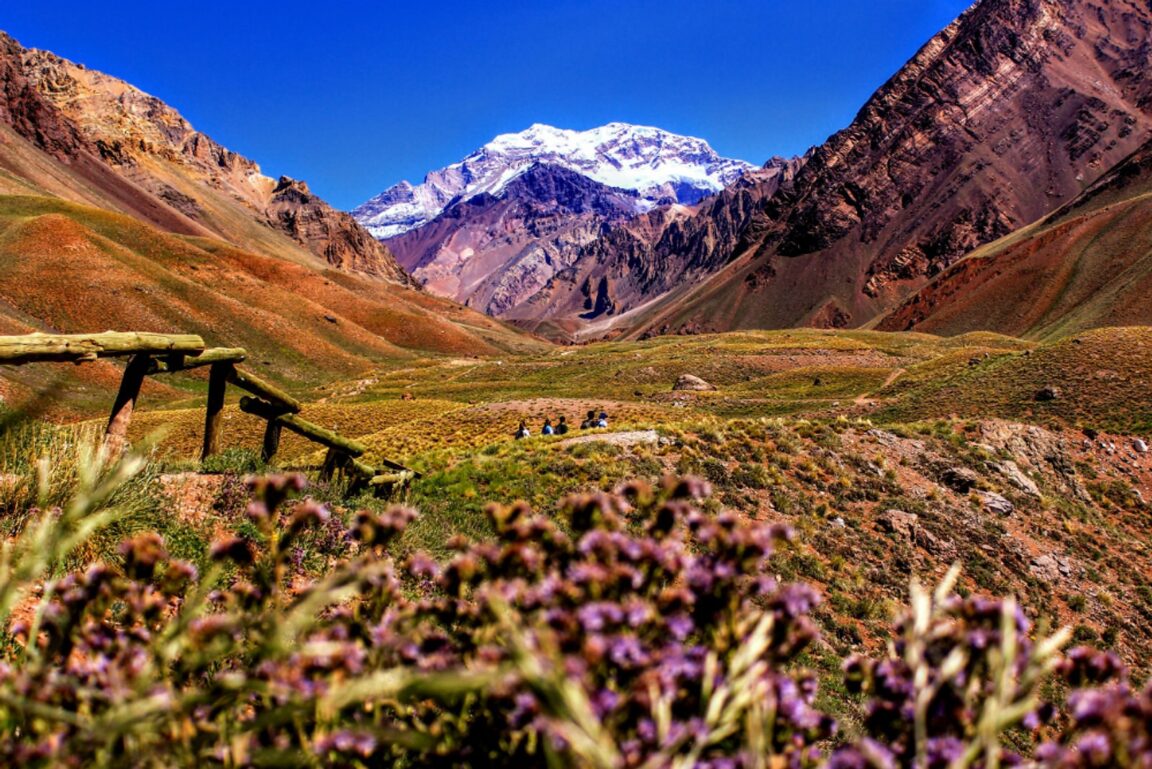
If one wine valley is enough, day three belongs to Route 7, the international road west into the Andes: Potrerillos reservoir, the Uspallata valley, the Inca bridge at Puente del Inca, and Aconcagua Provincial Park, where the Horcones lagoon trail gives walk on views of Aconcagua’s south face without any climbing permit. It is a long, spectacular day that explains the wall of rock standing behind every vineyard photograph. Most visitors coming from the capital combine Mendoza with 3 days in Buenos Aires at one end of the trip.
Where to stay and eat
Stay in the city for plaza life, restaurants and easy logistics, or in Chacras de Coria and the vineyard zones for quiet and views; the two bases suit different trips and many visitors split them. Eating in Mendoza means asado, empanadas mendocinas, and the bodega lunch as the main event of the day, with dinner kept late and light by Argentine custom. Malbec is the headline grape, but the high altitude whites, especially Torrontes and Chardonnay from the Uco, are the insider pour.
Booking order: how this itinerary is actually built
Because the bodegas run on reservations, build the trip in this order. First, fix the Uco Valley day and book its two estates and lunch, since those slots are scarcest and the day is longest. Second, book the Lujan lunch estate, the meal around which day two turns. Third, arrange drivers for both days, either through your hotel, a bodega’s own recommendation or a remis company, and confirm pickup times the day before. Only then fill the gaps: the Maipu bike day flexes around everything, and the city walking needs no booking at all. In harvest season, roughly February to April, and on Argentine public holiday weekends, add a week to every lead time in that sequence. A word on tasting maths: Argentine pours are generous, lunch pairings run to five or six wines, and altitude plus dry air accelerates the effect, so the traveller who spits at morning tastings, eats the full lunch and saves the serious drinking for the paired courses enjoys day three far more than the one who treats every stop as a bar. Finally, cash and cards: estates take cards, smaller Maipu producers and bike rentals may prefer cash, and tipping guides and drivers in pesos is customary and appreciated.
Olive oil, the other Maipu story
Maipu’s second industry deserves its own stop. The same dry climate that suits vines suits olives, and several Maipu producers, some of them a century old, run tastings of extra virgin oils, olive pastes and preserved lines alongside the wine route, often in the same family estates that pour Malbec. An oil tasting between wineries resets the palate, gives drivers and non drinkers a full experience of their own, and explains the region’s Mediterranean immigrant roots better than any museum. Look for the producers along the Maipu wine road who list aceite de oliva on the gate; the format is a short grove walk, a mill explanation and a guided tasting with bread, and thirty minutes is enough. It is also the best souvenir in the region: a sealed tin of high altitude olive oil travels home more safely than any bottle.
Frequently Asked Questions
Do you really need reservations for Mendoza wineries?
Yes, at almost all of them. Tours, tastings and lunches run at set times for booked groups, and the famous estates in Lujan and the Uco sell out days ahead, longer in the March harvest season. Maipu is the only zone where some houses still welcome casual visitors.
Can you cycle between wineries safely?
In Maipu, yes: the lanes are flat, the distances short and bike rental with maps is an established system. It is not a format for Lujan or the Uco, where distances and highway stretches require a car and driver.
What is the best month to visit Mendoza?
March brings harvest, the Vendimia festival and warm days, and books out earliest. October to November offers spring vines and mild weather, and May to August is quiet, cool and clear under snow capped Andes.
How many wineries should you visit in a day?
Three is the comfortable maximum, and two with a long lunch is the classic Mendoza day. Palates and drivers both tire; the region rewards depth over count.
Is the Uco Valley worth the extra drive?
For wine travellers, yes: the highest vineyards, the most dramatic Andes backdrop and the most ambitious current winemaking are all there. For a single wine day only, Lujan de Cuyo is the more efficient classic.