 James Wolfe
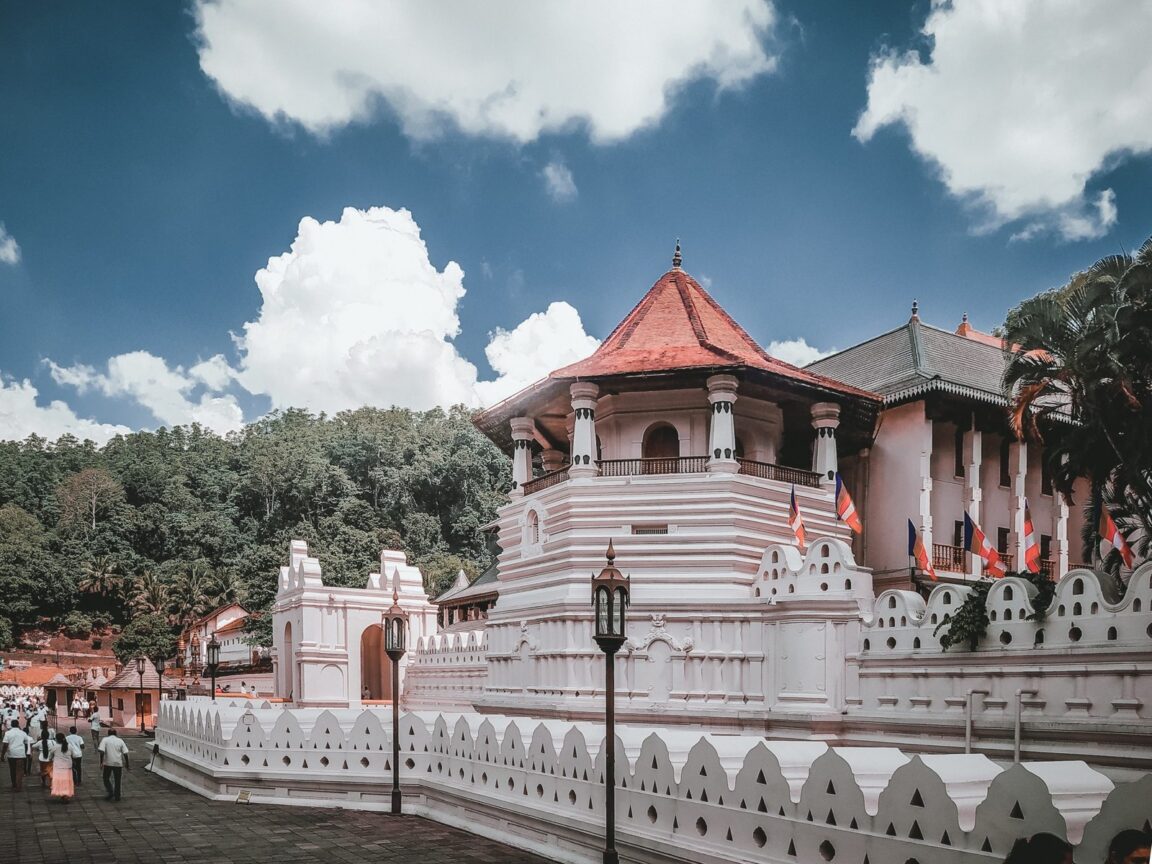
Two days in Kandy turn on one building and one timetable. The building is Sri Dalada Maligawa, the Temple of the Sacred Tooth Relic, and the timetable is the thewawa, the service held three times a day at 5.30am, 9.30am and 6.30pm, when the doors of the relic chamber open to drumming. Plan day one around the evening thewawa, the lake walk and the old royal quarter. Plan day two for the Royal Botanic Gardens at Peradeniya, about 6 kilometres west, with the afternoon for the Bahirawakanda Buddha viewpoint, the market and the hill train decision. Kandy was the last capital of the Sinhalese kings, held out until 1815, and its Sacred City is a UNESCO World Heritage Site.
Quick Facts
- Temple hours: Daily 5.30am to 8.00pm (Sri Dalada Maligawa)
- Thewawa services: 5.30am to 7.00am, 9.30am to 11.00am and 6.30pm to 8.00pm daily
- Foreign visitor ticket: LKR 3,000 for most nationalities, LKR 2,500 for visitors from SAARC countries, Thailand and Myanmar, free for Sri Lankan nationals, per the temple’s current price list; buy only from the temple’s own ticket machines
- Ticket includes: The temple museums, including the Sri Dalada Museum and the World Buddhist Museum
- Peradeniya Gardens: About 59 hectares (147 acres) with roughly 4,000 plant species, about 6 kilometres from the centre
- Kandy Lake: Built in 1807 by King Sri Vikrama Rajasinha, the last king of Kandy; the shore path is about 3 kilometres
- Dress code: Shoulders and knees covered for the temple; shoes are left at the deposit counter
- Hill train: The Kandy to Ella line is one of Asia’s great rail journeys; reserved seats sell out well ahead in season
Day 1: The lake circuit and the evening thewawa
Walk the lake first. Kandy Lake, the Kiri Muhuda or Sea of Milk, sits directly beside the temple, and its shaded shore path gives the geography of the whole city: temple and royal palace complex on the northern shore, the Udawatta Kele forest sanctuary on the hill behind, and the town climbing the slopes around. A full circuit takes under an hour and ends naturally at the temple entrance. The island pavilion in the lake and the cloud wall, the Walakulu Bamma, along the shore are the work of the last Kandyan court.
Inside the Temple of the Tooth
Enter well before the 6.30pm thewawa. The complex is a palace as much as a temple: the relic, believed to be a tooth of the Buddha brought to the island in the 4th century, is held in a golden casket inside a chamber on the upper floor, and visitors file past the open chamber doors during the service rather than seeing the relic itself, which is never displayed. The drummers of the thewawa, the flower offerings, and the crowd of white clad devotees are the experience. Use the ticket’s museum access before the service, not after: the Sri Dalada Museum traces the relic’s history, and the Tusker Museum holds Raja, the preserved tusker who carried the casket in the Esala Perahera for decades. Security checks are thorough, photography rules are enforced, and modest dress is not negotiable.
The old town evening
After the service, the streets between the temple and the Queen’s Hotel hold Kandy’s oldest commercial quarter: the market hall with its spice and tea stalls, bakeries, and the Kandyan Arts and Crafts workshops. The cultural dance performances near the lake, with fire walking finales, run in the early evening and are the tourist circuit’s staple; they are worth it once, honestly staged, and easy to combine with dinner. Travellers continuing to the coast can pair this plan with our guide to Weligama surf and yoga on the south coast.
Day 2: Peradeniya’s gardens and the high ground
The Royal Botanic Gardens at Peradeniya began as a royal pleasure garden and became British Ceylon’s botanical headquarters. Give it the cool of the morning and at least three hours. The set pieces earn their fame: the avenue of royal palms, the giant Javan fig tree spreading over the great lawn, the double coconut palms from the Seychelles that produce the world’s largest seed, the orchid house, and the cannonball and bamboo avenues along the Mahaweli River, which loops around the gardens. Fruit bats hang in the riverside trees in their thousands, and monkeys work the picnic areas, so keep food zipped away.
Bahirawakanda and the Udawatta Kele
Back in town, climb or ride up to the Bahirawakanda Vihara Buddha, the great white seated Buddha, about 27 metres high, visible from across the city, for the panorama over the lake, temple and hills. Alternatively, the Udawatta Kele Sanctuary, the former royal forest directly behind the temple, offers shaded walking trails, a pond, and birdlife in the middle of the city, with leeches in wet weather as the honest price of admission. Either fills the afternoon slot before a second, quieter temple visit; the dawn thewawa at 5.30am, mostly devotees, is a different and calmer ceremony if you are willing to set the alarm.
The hill train timing
Most Kandy itineraries end on the train east toward Ella and Badulla, climbing through tea country. The full run to Ella takes roughly six to seven hours depending on the service, and the Kandy to Nanu Oya section for Nuwara Eliya takes about four. Book reserved seats as early as the booking window allows in high season, sit on the right hand side leaving Kandy for the valley views, and treat the timetable as approximate. The temple city comparison many readers make next is first time Kathmandu, another living sacred city that rewards ceremony timed planning.
Where to stay and eat
Stay near the lake or on the lower town slopes for walking access to the temple; the hillside hotels above town trade views for tuk tuk dependence. Eat at the local rice and curry houses at lunch, when the full spread of curries is fresh, and try hoppers and kottu in the evening. Kandy is a tea town: the Ceylon Tea Museum in the old Hantana factory, south of the centre, pairs with Peradeniya on a longer stay and explains the industry that reshaped these hills.
Getting to Kandy and around it
Most visitors arrive from Colombo, and the choice is between the intercity train from Fort station, about two and a half to three hours through the foothills with reserved seat classes that should be booked ahead, and the road, roughly three to four hours depending on traffic via the expressway and the Kadugannawa pass. The train is the better arrival: slower in the best sense, and it delivers you to Kandy’s central station a short walk from the lake. Within the city, tuk tuks cover everything; agree the fare before moving, or use the local ride hailing apps that now operate widely in Kandy and remove the negotiation entirely. Peradeniya is a short bus, train or tuk tuk ride west, and the gardens have their own station, so the train can be worked into the gardens day as well. Kandy’s climate deserves a line of its own: the hills keep it cooler than Colombo, rain can arrive in any month, and the temple’s stone floors and the gardens’ lawns both reward shoes that grip when wet. If your Sri Lanka route continues into the tea country, Kandy is also where the pace should deliberately slow: the distances east look short on the map and are not, because every road and rail line climbs, curves and stops for views, and building that slowness into the plan is the difference between seeing the highlands and merely crossing them.
One last practical point: Kandy rewards an early start in every season, because the temple, the gardens and the viewpoints all sit at their best before the midday heat and the day trip buses build, and the city empties pleasantly again by evening.
Frequently Asked Questions
Can you see the Tooth Relic itself?
No. The relic is kept inside a nested golden casket in the relic chamber. During the thewawa the chamber doors open and visitors file past the casket shrine; the tooth itself is never put on public display.
What should you wear to the Temple of the Tooth?
Clothing that covers shoulders and knees is required, white is traditional but not required for visitors, and shoes and hats come off inside. Carry socks for hot stone floors and a bag for the shoe deposit.
When is the Esala Perahera?
The great procession honours the relic over ten nights in July or August, timed by the lunar calendar. It is one of Asia’s great festivals, and Kandy accommodation books out far ahead for it.
How long do the Peradeniya Gardens take?
Three hours is a comfortable minimum for the main avenues, orchid house and riverside; botanists and photographers happily spend half a day. Go in the morning for cooler air and active birdlife.
Is Kandy worth two days?
Yes. One day covers the temple and lake only. The second day is what adds Peradeniya, the viewpoints and an unhurried second ceremony, which is where Kandy’s character actually shows.