 Wei Chen
Give Ulaanbaatar two full days before the steppe, and the capital stops being a transit stop. Day one covers the working heart of Mongolian Buddhism at Gandantegchinlen Monastery, Sukhbaatar Square and the Chinggis Khaan National Museum, the single best orientation to the country you are about to travel through. Day two adds the National Museum of Mongolia, the Zanabazar fine arts museum, the cashmere and market circuit, and the Zaisan viewpoint over the city. Ulaanbaatar holds roughly half of Mongolia’s population, sits at about 1,350 metres, and is one of the coldest capitals on earth, so season and layers shape everything.
Quick Facts
- Altitude: About 1,350 metres, in a valley on the Tuul River under Bogd Khan Mountain
- Chinggis Khaan National Museum, winter hours: 9.00am to 5.00pm, last entry 4.00pm, closed Tuesdays, from mid September to mid May (museum’s published schedule)
- Chinggis Khaan National Museum, summer hours: Daily 9.00am to 8.00pm, last entry 7.00pm, from mid May to mid September
- Museum scale: More than 10,000 exhibits across nine halls, covering the Mongol empires from the Xiongnu to the 20th century
- Gandan Monastery highlight: The Avalokiteshvara temple houses a gilded statue of Megjid Janraiseg about 26 metres tall
- Airport: Chinggis Khaan International Airport is about 50 kilometres south of the centre; allow generous transfer time
- Currency: Tugrik (MNT). Cards work in the centre; cash is essential beyond it
- Steppe rule: Buy cashmere, SIM data and supplies here; choice narrows fast outside the capital
Day 1 morning: Gandan Monastery while it is working
Start at Gandantegchinlen Monastery, known to everyone as Gandan, the centre of Mongolian Buddhism and a working monastery, not a museum. Go in the morning when the temples fill for prayer, the prayer wheels turn steadily and monks chant in the main halls. The monastery survived the religious purges of the 1930s in partial form when most of Mongolia’s temples were destroyed, and its centrepiece, the towering gilded Megjid Janraiseg statue inside the Avalokiteshvara temple, is a 1990s recreation of an earlier statue removed in the purge era. Dress modestly, walk clockwise, ask before photographing inside, and expect a small fee for photography where it is permitted.
Day 1 afternoon: The square and the Chinggis Khaan Museum
Sukhbaatar Square, the capital’s ceremonial centre, fronts the parliament building, the Government Palace, with its seated Chinggis Khaan flanked by his generals. It is the natural hinge of the day. A short walk north stands the Chinggis Khaan National Museum, opened in 2022 on the site of the former natural history museum and now the country’s flagship collection. Work it top down or bottom up by floor: the halls run from the ancient Xiongnu and Turkic states through the Mongol Empire and the khanates to the modern state, and two to three hours here will make every ger camp conversation and steppe ruin on the rest of the trip make more sense. Note the Tuesday closure in winter and the earlier winter closing time before setting this as a late afternoon plan. Entry rules by nationality are covered in our explainer on Mongolia’s visa free exemption.
The National Museum, if you do only one more
Across the centre, the National Museum of Mongolia tells the same sweep with different treasures: Stone Age sites, empire era artefacts, the traditional costume halls that are the best single introduction to Mongolia’s ethnic groups, and the 20th century galleries. If time forces a choice, the Chinggis Khaan Museum is the grander building; the National Museum is the broader story. Enthusiasts do both across the two days.
Day 2: Fine art, cashmere and the market
The Fine Arts Zanabazar Museum, named for the 17th century sculptor and Buddhist leader Zanabazar, holds the finest traditional art in the country: his gilded bronzes, thangka paintings and ritual objects, in a handsome early 20th century building near the square. It is small enough for an hour and dense enough to remember. The Choijin Lama Temple Museum, a temple complex preserved as a museum amid the towers, pairs with it on the same morning.
Cashmere, done properly
Mongolia produces a large share of the world’s raw cashmere, and Ulaanbaatar is where to buy the finished product at source prices. The State Department Store on Peace Avenue carries the major Mongolian brands, and factory shops of producers such as Gobi Cashmere sit across the city. Buy by weight and ply, check the fibre content label, and be sceptical of market cashmere at implausible prices. This is the purchase to make before the steppe, along with any forgotten cold weather layers.
Narantuul and Zaisan
Narantuul Market, the Black Market, east of the centre, is the city’s everything market: ger felt and poles, traditional clothing, saddles, boots, tools and antiques stalls. It is fascinating, crowded and known for pickpockets, so go with a zipped, front worn bag and no visible valuables. Finish the day at the Zaisan Memorial, the Soviet era monument on the hill south of the river, climbed by a long stair for the panorama over the whole city to the ger districts on the northern hills, the contrast that explains modern Ulaanbaatar in one view. Travellers routing onward across Central Asia will find the same capital first logic in our Almaty travel guide.
Before the steppe: the practical half day
Build slack into day two for departure logistics. Confirm your driver or tour start point and time in person where possible, draw cash, charge power banks, and buy the snacks and gifts, dried curds, sea buckthorn juice, Mongolian tea, that travel well. Winters here reach minus 30 Celsius and below; even summer nights on the steppe are cold, and the capital’s shops are the last full choice you will see. If your two days fall in mid July, the Naadam festival, wrestling, horse racing and archery, takes over the city and the stadium, and everything in this plan needs booking far ahead.
Two more stops that repay an hour each
The Bogd Khan Palace Museum, south of the centre near the river, preserves the winter palace of the eighth Bogd Khan, Mongolia’s last monarch: a complex of temples and a European style palace built between 1893 and 1905, filled with the khan’s extraordinary personal collection, from a ger lined with snow leopard skins to gifts from foreign heads of state and his famously eccentric taxidermy. It is the most characterful museum in the city and the easiest to underrate. Pair it with the Zaisan trip, since both sit south of the centre. North of the square, the Beatles Square monument and the State Department Store area give a flavour of the city’s Soviet and post Soviet layers, and the Seoul Street and Peace Avenue cafes are where young Ulaanbaatar actually spends its evenings. A note on etiquette that pays off across the whole trip: in Mongolia, step over thresholds rather than on them, accept offered tea or food with the right hand or both hands, never refuse hospitality outright, and do not point your feet at an altar, a fire or another person. Learning these in the capital, where people will gently correct you, is far better than learning them in a family ger on the steppe.
Winter, honestly
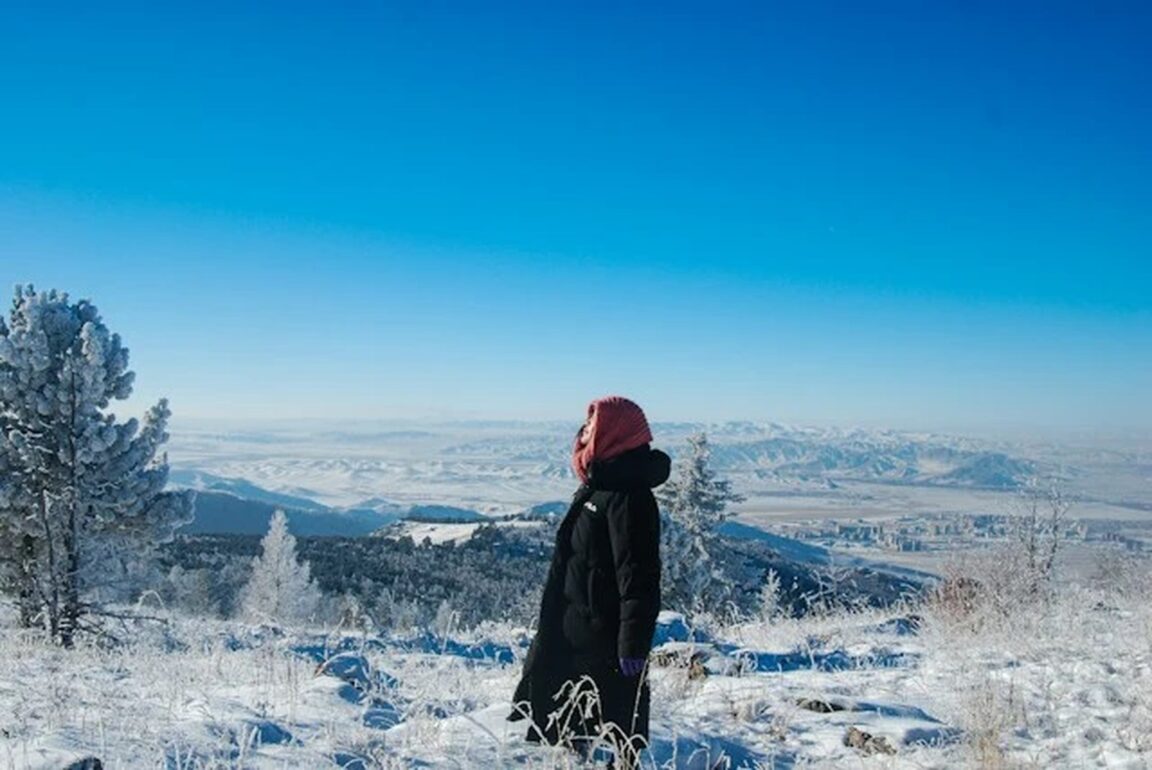
If your two days fall between November and March, the plan still works, but the physics change. Daylight is short, the air is among the coldest of any capital city, and air pollution from ger district stoves can hang over the valley on still mornings. Museums and monasteries become the warm anchors of the day, Zaisan becomes a test of clothing rather than a stroll, and every transfer needs a buffer. Dress as Mongolians do: thermal base layers, insulated trousers, a windproof outer shell, a hat that covers the ears, and boots rated well below zero. The city in deep winter, smoke rising from ger chimneys under a hard blue sky, is unforgettable, but only for the properly dressed.
Frequently Asked Questions
How many days do you need in Ulaanbaatar?
Two full days covers the monasteries, both major museums, shopping and departure logistics. One day is possible but forces a choice between Gandan and the museums, and leaves no slack for steppe preparation.
When is the best time to visit Ulaanbaatar?
June to early September brings warm days, green steppe and the July Naadam festival. Winter is spectacularly cold, regularly below minus 20 Celsius, and suits only travellers equipped and motivated for it.
Is Ulaanbaatar safe?
The centre is generally safe by day, with the standard big city cautions. Pickpocketing is the main reported problem, especially at Narantuul Market and on crowded buses, and traffic, not crime, is the daily hazard.
Can you drink the tap water and eat the food easily?
Most visitors drink bottled or filtered water. The food is meat and dairy centred; vegetarians manage in the capital’s international restaurants far more easily than on the steppe, so stock up here.
How do you get from the airport to the centre?
The international airport is about 50 kilometres south of the city. Hotel transfers, pre booked drivers and airport buses are the practical options; traffic on the single road can stretch the journey well past an hour.