 LeVar Thomas
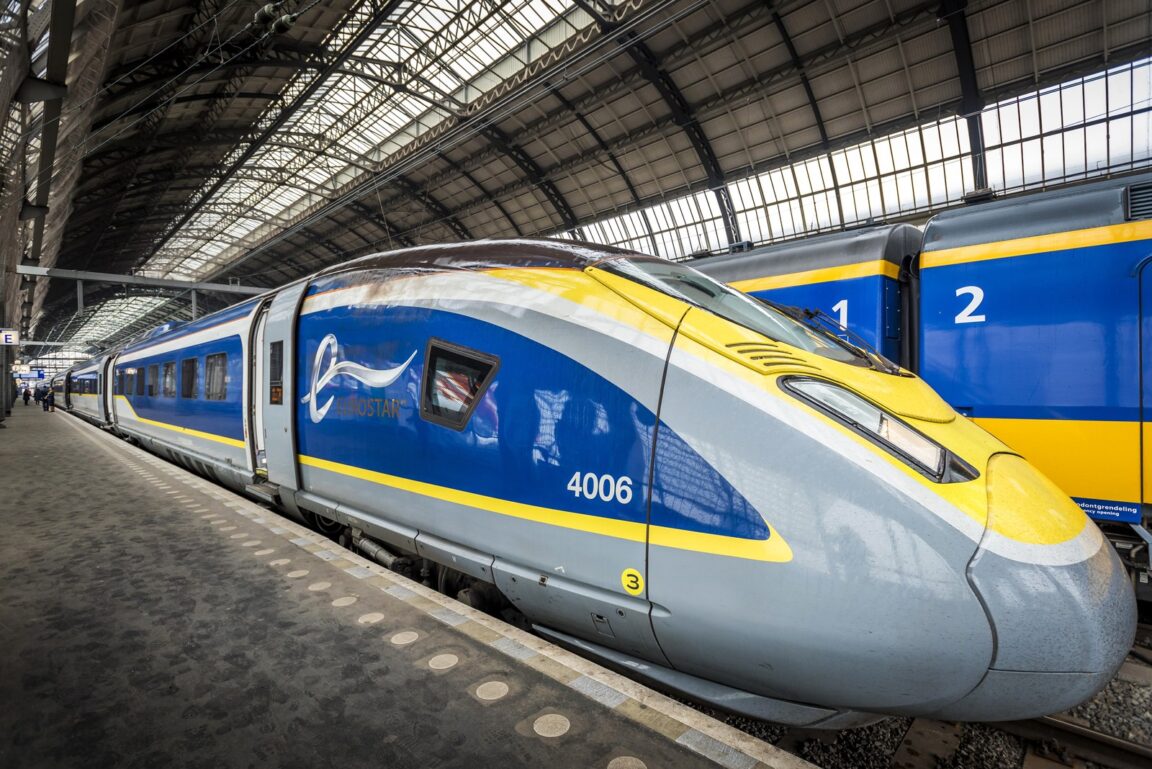
Direct Eurostar trains between Amsterdam Centraal and London St Pancras are back, and they are no longer a token service. Direct trains resumed on 10 February 2025 from a new UK terminal at Amsterdam Centraal, rose to four a day on 9 September 2025, and reached five a day in each direction from 15 December 2025, with 16 December 2025 the first full day of five under the timetable published by NS International, Eurostar’s Dutch partner. For a first time visitor to Amsterdam, the practical change is simple: you can now board in the city centre, clear security and both passport controls inside the Amsterdam terminal, and ride straight to London in about four hours, with no change in Brussels and no airport on either end.
Quick Facts
- Route: Amsterdam Centraal to London St Pancras International, direct, also serving Rotterdam Centraal.
- Direct services resumed: 10 February 2025, after the Amsterdam terminal closure during the Centraal station rebuild (Eurostar).
- Frequency now: Five direct trains a day in each direction on weekdays; three per direction on Saturdays and four on Sundays (NS International timetable, 2 December 2025).
- Weekday departures from Amsterdam: 06:40, 10:40, 14:40, 16:40 and 18:40, arriving London at 09:57, 13:57, 17:47, 19:57 and 21:57 (NS International).
- Journey time: About four hours city centre to city centre.
- Trains: Eurostar e320 sets, around 900 seats per train; NS International puts the route at roughly 9,000 seats a day in both directions combined.
- Amsterdam boarding capacity: The new terminal lifted the number who can board from Amsterdam to more than 650 passengers per train, up from 275 before the rebuild (Eurostar).
- Fares: Return tickets from 88 euros were advertised by NS International when the fifth train went on sale; advance fares vary by train and date.
- Booking: Book at eurostar.com or nsinternational.com, and follow the check in deadline printed on your ticket.
What actually changed, and when?
Amsterdam lost its direct London trains while Amsterdam Centraal was rebuilt. The old departure point could process only a small share of a full train, so for a period the Amsterdam to London direction meant a local train to Brussels and a change there, even though London to Amsterdam trains could run through. The fix was a new, larger Eurostar terminal built inside Centraal, in one of the passages under the tracks, with its own security lanes and passport booths.
When direct services resumed on 10 February 2025, they started modestly: three trains a day on weekdays and Sundays and two on Saturdays, with a cap of about 400 boarding passengers from Amsterdam per train. Capacity then stepped up in stages as the terminal bedded in, first to about 600 and then to the full figure of more than 650. Frequency followed the same pattern. A fourth daily train arrived on 9 September 2025, and the fifth on 15 December 2025, a date Eurostar had announced the previous July. NS International notes that engineering work in the Netherlands made 16 December the first day all five ran in both directions.
Demand has backed the expansion. NS International says passenger numbers between London and Amsterdam rose by 20 percent after the new terminal opened, and Eurostar’s chief executive has pointed to the route as one of the busiest air corridors in Europe, with five daily returns offering more than 3,000 seats a day in the London to Amsterdam direction alone on Eurostar’s own count. The two operators count seats slightly differently, NS International by total train capacity in both directions and Eurostar by its headline daily offer, but both describe the same step change from a constrained shuttle to a full service.
How does the Amsterdam departure flow work?
The sequence at Amsterdam Centraal is the part first timers most need to get right, because it is an international departure, not a hop on a Dutch domestic train. Work through it in this order. First, find the Eurostar terminal inside Centraal, signed for London departures, rather than heading for a platform. Second, scan your ticket at the gates before the deadline shown on the booking; Eurostar closes check in ahead of departure, and a missed deadline means a missed train. Third, pass through security screening with your luggage, which stays with you throughout. Fourth, clear Dutch exit checks and then UK passport control, both inside the terminal; this is the juxtaposed controls model, so your arrival at St Pancras is a simple walk off the train. Fifth, wait in the departure lounge until your train is called, then board directly.
Two practical consequences follow. Arrive with real margin, because the queue you are joining includes security and two border checks, and at busy departures several hundred people board the same train. And keep your passport in your hand luggage, not in a case bound for the luggage rack, because you will show it before you board, not after you arrive. Travellers whose journeys touch the EU Entry Exit System should also expect biometric registration to feature in European border crossings in this period; our guide to the EU Entry Exit System for US travellers sets out how that system works.
Which train should you pick?
On weekdays the five Amsterdam departures are spread across the day, and the right choice depends on what sits either side of the ride. The 06:40 departure, in London by 09:57, is the business option and the one that gives you a full London day, at the price of an early start and the fullest check in queues. The 10:40 and 14:40 departures are the natural holiday trains, late enough for a final Amsterdam morning and early enough to be settled in London by evening. The 16:40 suits travellers connecting off Dutch domestic trains from elsewhere in the Netherlands. The 18:40, arriving at 21:57, is the last direct train of the day; after it, the fallbacks are a change in Brussels or a flight, so protect the connection into Amsterdam with extra time.
Weekends run thinner, three trains per direction on Saturdays and four on Sundays under the NS International timetable, so a Saturday plan built around a specific departure has less slack if anything goes wrong. In the London to Amsterdam direction, weekday trains leave St Pancras at 06:16, 08:16, 11:04 and 15:04, with a fifth evening departure listed at 17:04 in the December timetable summary; always confirm your exact train in the booking flow, because weekend and engineering work timetables differ from the weekday pattern.
What does it cost, and how do fares behave?
NS International advertised return tickets from 88 euros when sales for the fifth train opened on 10 July 2025, and that figure is best read as the floor, not the norm. Eurostar pricing is dynamic: the cheapest seats sit on the least popular departures and sell first, while Friday and Sunday peak trains price up quickly. Booking ahead is the single biggest lever, followed by flexibility on departure time. Standard class on the e320 is comfortable for four hours, with a cafe bar on board; the higher classes add lounge access, more space and at seat service, and are worth pricing only if the gap is small or the trip is a working one. If you are pairing the train with a Paris stay at either end of a longer trip, our first time in Paris itinerary shows how the Eurostar network’s other hub fits the same style of journey.
Is the train better than flying to London?
On elapsed time, the honest comparison is door to door. The flight itself is about an hour, but it comes with travel to Schiphol, airport security, boarding queues, the flight, arrival processing at a London airport and the transfer into the centre. The train’s four hours run from one city centre to the other, with the border formalities finished before departure, and for most central Amsterdam to central London journeys the totals land close together, with the train ahead on comfort and behind on nothing except raw frequency. Eurostar also markets the route on emissions, and the capacity growth to five full trains a day is precisely what makes the rail option usable for travellers who previously found the direct service sold out or capped.
Frequently Asked Questions
Do Amsterdam to London Eurostar trains run direct every day?
Yes. Direct services resumed on 10 February 2025 and now run daily, five per direction on weekdays, three on Saturdays and four on Sundays under the timetable published by NS International in December 2025. Engineering work can alter individual dates, so check your specific day before booking.
Where do passport controls happen on the Amsterdam to London train?
Inside the Eurostar terminal at Amsterdam Centraal, before boarding. You pass security, Dutch exit checks and UK entry control in Amsterdam, so arrival at London St Pancras is a walk straight off the train with no further passport queue.
How long does the Amsterdam to London Eurostar take?
About four hours. The published weekday timetable, for example the 06:40 from Amsterdam arriving at 09:57 in London, reflects the one hour time zone difference, so the clock gap looks shorter than the ride actually is.
How many people can board at Amsterdam?
More than 650 per train, according to Eurostar, up from 275 before the new terminal opened. The trains themselves, Eurostar e320 sets, carry around 900 seats in total across boarding stations, which include Rotterdam.
What happens if I miss the last direct train?
The remaining same day options are indirect: a train to Brussels with a change onto a London Eurostar, subject to the Brussels check in deadline, or a flight. Because the last direct departure is at 18:40 on weekdays, build margin into any connection into Amsterdam Centraal that day.
Where can I verify times and book?
On Eurostar’s own site at eurostar.com and on NS International at nsinternational.com, which publishes the current Amsterdam to London timetable and the history of the fourth and fifth daily trains. Treat those two sources, checked on the day you book, as definitive over any third party summary, including this one.
Sources checked 17 November 2026: NS International, Fifth Daily Eurostar Between the Netherlands and London from December 2025 (2 December 2025), including the weekday timetable, weekend frequencies, seat capacity and the 88 euro return lead in; Eurostar announcements on the resumption of direct services on 10 February 2025, the Amsterdam terminal capacity rising from 275 to more than 650 boarding passengers, and the move to five daily services from 15 December 2025, as reported from Eurostar’s media statements.