 Maya Chen
Eat Las Palmas de Gran Canaria in this order and the city makes sense: mornings in Vegueta, the founding quarter of 1478, where the covered market sells island cheese, tropical fruit and mojo by the jar; tapas evenings on the old town streets around the cathedral, built on papas arrugadas, wrinkled potatoes cooked in salted water and served with red and green mojo; one long beachfront lunch of grilled fish along Las Canteras, the great urban beach; and one splurge, because this city quietly holds three Michelin starred rooms. Poemas by Hermanos Padron cooks inside the Santa Catalina hotel, Tabaiba reworks Canarian tradition under chef Abraham Ortega, and Muxgo, chef Borja Marrero’s project, builds a whole menu from produce grown and raised on the island. Between those poles sits the food locals actually defend: sancocho, the salt fish stew served with sweet potato and a pella of gofio, ropa vieja, and gofio itself, the roasted grain flour that predates the Spanish conquest and still thickens half the stews in town.
Quick Facts
- City: Las Palmas de Gran Canaria, capital of Gran Canaria, Canary Islands; two food centres, historic Vegueta in the south and the Las Canteras beachfront in the north
- Start here: Mercado de Vegueta, the covered market in the old town, for cheese, fruit, mojo and coffee before the tapas bars open
- Signature dish: Papas arrugadas con mojo, small potatoes boiled in heavily salted water until the skins wrinkle, eaten skin and all with mojo picon or mojo verde
- Order once, properly: Sancocho canario, salted cherne fish boiled with potatoes and sweet potato, served with gofio and mojo; the Easter dish that locals eat all year
- Michelin position: Three starred restaurants in the city itself, Poemas by Hermanos Padron, Tabaiba and Muxgo, each holding one star in current guide coverage, with Spain’s national tourism board naming the same three
- Drink: Gran Canaria wines, including the city’s own wine route, and ron miel, honey rum, after dinner
- Buy: Queso Flor de Guia, the island’s celebrated flower rennet cheese from the north of Gran Canaria, plus jars of mojo and a bag of gofio from the market
- Beach rule: The fish grills facing Las Canteras are a lunch game; go early, order the grilled fish of the day, and keep evenings for Vegueta and Triana
Why does Vegueta set the table for the whole city?
Vegueta is where Las Palmas began in 1478, and its grid of stone streets around the Cathedral of Santa Ana still holds the city’s oldest kitchens, its first market and its most serious tapas bars. The Mercado de Vegueta has traded here for well over a century and a half, and a morning circuit of it is the fastest food education on the island: stalls of Canarian bananas and papaya, pyramids of small potatoes destined to become papas arrugadas, island cheeses from soft fresh rounds to aged curado, and mojo sold in every shade of red and green. Buy little and often, taste the cheese before you commit, and finish with coffee in one of the bars on the market’s edge while the old town wakes up.
By evening the same streets turn into the city’s tapas route. The pattern is small plates, standing or perched, moving every round or two: papas with both mojos, grilled cheese with mojo, ropa vieja, the chickpea and shredded meat stew that turns leftovers into a headline act, and a glass of island wine. Vegueta rewards restraint early, because the portions that look snack sized are built on potatoes, gofio and legumes, and they accumulate. For a sense of how another Spanish island city eats around its harbour, compare our Ciutadella food guide, where the whole menu also starts at the market and the boats.
What is gofio, and why does it appear in everything?
Gofio is flour milled from roasted grains, wheat, corn or barley, and it is the oldest food in the Canarian kitchen, eaten by the islands’ pre Hispanic inhabitants long before the conquest. Its flavour is warm, toasted and faintly nutty, and its uses explain half the traditional menu. Kneaded with water, stock or honey it becomes a pella, a dense dough ball sliced and served beside sancocho to soak up the fish liquor. Whisked into hot fish or meat stock it becomes gofio escaldado, a steaming, spoonable mound often crowned with raw onion and a splash of mojo. Modern kitchens fold it into ice cream, mousses and breads, which sounds like a gimmick until the first spoonful lands.
The honest way to meet gofio is in its classic setting: a traditional restaurant, a plate of sancocho, a pella on the side. The fish is usually cherne, wreckfish, salted, soaked and then boiled plainly with potatoes and sweet potato, and the whole plate is seasoned less by the cooking than by what surrounds it, the gofio, the two mojos, a drizzle of good oil. It is a dish about an island that had to preserve fish without refrigeration and stretch grain a long way, and it still tastes like exactly that, in the best sense.
Where do locals actually eat fish?
North, on the beach. Las Canteras runs for kilometres along the city’s northern edge, protected by a natural reef, and its promenade is lined with fish restaurants and grill houses that work hardest at lunch. The order is simple and should stay simple: whatever whole fish the board names that day, grilled, with papas arrugadas and mojo, a salad, and island white wine. Vieja, parrotfish, is the connoisseur’s pick when it appears, a local species with sweet, delicate flesh; cherne is the heavyweight alternative. Skip the laminated international menus, follow the tables of local families at two in the afternoon, and treat the promenade’s ice cream and coffee stops as the dessert course.
The second fish address is the Mercado del Puerto, the port market near the Santa Catalina end of the beach, the Canaries’ first gastromarket, where stalls cook tapas and small seafood plates to order around a covered hall. It suits the indecisive and the time pressed: a lap of the hall, three or four small plates from different counters, and a clear picture of what the island’s boats are landing. Between the port market and the Vegueta market, a food traveller can cover most of the island’s larder without a single reservation.
Which starred table should you book, and what will it show you?
Las Palmas holds three one star restaurants, and each argues a different case for Canarian cooking. Poemas by Hermanos Padron, inside the Santa Catalina, a Royal Hideaway Hotel on Calle Leon y Castillo, is the polished flagship: brothers Juan Carlos and Jonathan Padron, who hold two stars at their Tenerife restaurant, cook a tasting menu that runs classic technique over island produce. The hotel’s own site confirms the star and the brothers’ two star pedigree, and Spain’s tourism board lists Poemas among the city’s three starred rooms. Book it for the formal occasion.
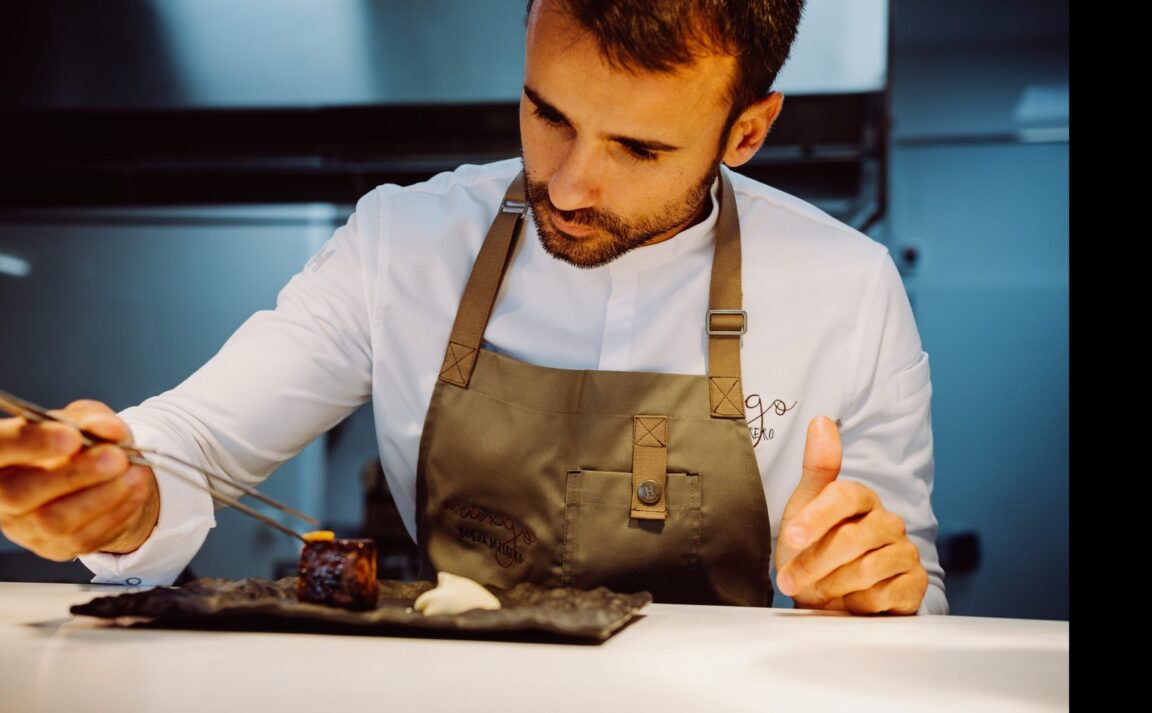
Tabaiba, in the Guanarteme neighbourhood near the beach, is the city’s creative traditionalist: chef Abraham Ortega, starred since 2023, takes the island’s store cupboard, gofio, potatoes, pork, local fish, and rebuilds it as precise modern plates; its published menus have priced an eight course menu at 110 euros and an eleven course experience at 140 euros, figures to recheck when booking. Muxgo is the argument for sustainability made edible: Borja Marrero, the first chef in the Canaries to win a Michelin Green Star, added a full star in the 2026 guide round, and cooks almost entirely from his own farm and island producers, including cheeses he matures himself. Of the three, Muxgo is the one that could only exist here, and the one to choose if only one starred booking fits the trip.
What should you drink, and what do you bring home?
Gran Canaria wine is the quiet surprise: vines planted in volcanic soils, including the city wine route that Spain’s tourism board calls the first wine route in the Canaries and the only one outside the mainland at its launch. Island whites are fresh and mineral, the reds lighter than mainland equivalents, and both are built for this food. After dinner, ron miel, rum sweetened with honey, is the local digestif, and the island also claims Europe’s only coffee plantation tradition in the Agaete valley, an easy day trip pairing with the northern cheese towns.
Bring home flavour, not bulk: Queso Flor de Guia, coagulated with thistle flower rennet and unlike any other Spanish cheese, from the Vegueta market; jars of mojo picon; a bag of gofio, which travels perfectly and turns a home soup into a Canarian one; and bienmesabe, the almond, honey and lemon sweet, if the bag allows. Travellers continuing through Andalusia should read our Jerez de la Frontera food guide next, where sherry bodegas and tabancos run the same market to table logic through a glass.
Frequently Asked Questions
What is the one dish to order first in Las Palmas?
Papas arrugadas con mojo. Small potatoes boiled in salted water until wrinkled, served with red mojo picon and green mojo verde. It arrives with almost every meal, costs little, and teaches you the island’s seasoning in one plate.
Does Las Palmas have Michelin starred restaurants?
Yes, three in the city itself, each with one star in current coverage: Poemas by Hermanos Padron at the Santa Catalina hotel, Tabaiba under Abraham Ortega, and Muxgo under Borja Marrero, who also holds a Green Star. Book all three ahead; none is a walk in bet.
What is sancocho and when is it eaten?
Sancocho canario is salted fish, traditionally cherne, soaked and boiled with potatoes and sweet potato, served with a pella of gofio and mojo. It is the classic Easter dish on Gran Canaria but traditional restaurants serve it all year.
Which market is better, Vegueta or the Port Market?
They do different jobs. Mercado de Vegueta is the produce market, for cheese, fruit, mojo and gofio, best in the morning. Mercado del Puerto is a gastromarket of cooked food stalls, best for a grazing lunch of tapas and seafood.
Where should a first timer base for food, Vegueta or Las Canteras?
Either works, and the city bus and taxi ride between them is short. Base in Vegueta or Triana for tapas evenings and the market, or by Las Canteras for beachfront fish lunches, and cross town for the other half of the menu.
Last updated 17 November 2026. Star listings, menus and prices checked against the restaurants’ own sites and Spain’s national tourism board on the day of writing and can change with each guide edition.