 LeVar Thomas
Malawi’s eVisa is a short application with three rules that decide whether it works: apply on the official portal at evisa.gov.mw, allow three working days for processing, and understand that a single entry visa is used once and then it is gone. The Department of Immigration and Citizenship Services processes eVisa applications within three working days, charges US$50 for a single entry visa on its portal fee list, and requires scanned documents rather than camera photos of them, which is where many applications stall. Since February 24, 2026 a category system has also decided who must hold a visa before travelling and who may still receive one on arrival at designated ports such as Kamuzu International Airport in Lilongwe. Sort your category first, file the eVisa second, and arrival in Lilongwe becomes a stamp and a baggage belt rather than a negotiation.
Quick Facts
- Official portal: evisa.gov.mw, the Malawi eVisa system of the Department of Immigration and Citizenship Services. No other site issues this visa
- Processing: Applications are processed within three working days, per the portal’s official FAQ checked on November 20, 2026
- Fees on the portal FAQ: Transit US$50, single entry US$50, multiple entry for 6 months US$150, multiple entry for 12 months US$250, paid online in US dollars by credit or debit card
- Fee discrepancy to know: The Department of Immigration’s own online fee table has also listed a single entry visa at US$75. The amount shown on the portal when you pay is the one that counts
- Single entry rule: A single entry visa is valid for three months from the date of issue and is used once. Validity starts at issue, not at arrival
- Category system: In force since February 24, 2026. Category One nationals must hold a visa or prior authorisation before travel; Category Two nationals may receive a visa on arrival at designated ports of entry
- Documents: Upload scans, not camera captured photos. The portal FAQ states this explicitly
- Facts checked: November 20, 2026, against the official eVisa portal and Department of Immigration sources
Who must apply before travelling, and who can still get a visa on arrival?
The change that frames everything else landed on February 24, 2026, when a public notice issued through the eVisa portal sorted nationalities into two categories. Category One travellers must obtain a visa, or prior authorisation, before they travel; arriving in Lilongwe without one is not a problem that can be fixed at the desk. Category Two travellers, a list that runs to around 160 countries and territories, may still receive a visa on arrival at designated ports of entry, including Kamuzu International Airport in Lilongwe. The overlap between the two routes is deliberate: even where a visa on arrival exists, the Department of Immigration recommends the eVisa, because an approved eVisa in hand removes the queue, the cash handling and the small but real risk of a document question becoming an entry refusal. Check your own nationality on the portal before booking anything, because category lists are the department’s to change and third party lists, including summaries like this one, are pointers rather than decisions. Travellers weighing similar overlaps elsewhere can compare the logic in our Kenya eTA entry guide, where an advance authorisation plays a comparable role.
How does the eVisa application actually run?
Register an account on the official Malawi eVisa portal, log in, and open the application for the visa type you need. Complete the form with passport details that match the document you will travel on; the portal FAQ is explicit that the eVisa bears the particulars of the passport used in the application and that travellers must use that same passport to enter Malawi. Upload the supporting documents the application requests, pay the fee online in US dollars by credit or debit card, and submit. The approval letter, when it comes, is accessed through your eVisa account, and an access link is also sent by email notification. Print the approval and carry it with your passport. Status is checked on the portal itself; embassies cannot track an eVisa application for you, and support questions go to the eVisa support team at the address published on the portal. The department also reserves the right not to give reasons if an application is rejected, and the fee is not refunded, so the application deserves the same care as a paper visa file: correct dates, correct passport number, legible documents.
Why do photo and document uploads fail so often?
Because applicants upload photographs of documents instead of scans of them. The portal FAQ answers this exact point in one sentence: eVisa applicants must upload scanned documents and not camera captured photos. A phone photograph of a passport page, taken at an angle, under room light, with glare on the laminate, is the classic rejection or query trigger, and a camera shot of the applicant photo against a cluttered background runs the same risk. The fix costs ten minutes. Use a scanner or a scanning app that flattens, crops and straightens the page, check the file at full size for readable text and clean edges, and make sure the portrait photo is a proper passport style image rather than a cropped holiday picture. If the portal queries a file, replace it with a cleaner scan rather than reuploading the same image and hoping. Build that document time into the three working day window instead of discovering it on day three.
How long does processing take, and when does the visa clock start?
The department’s stated processing time is three working days, and two words in that sentence do real work. Working days exclude weekends and Malawian public holidays, so an application filed on a Friday afternoon may not move until the following week, and three working days is a processing aim to plan around, not a boarding guarantee. Apply at least two weeks before travel if your itinerary allows it. The second clock matters just as much: the validity of the eVisa starts from the date of issue, not the date of entry. A single entry visa is valid for three months from issue, so applying a full season ahead burns validity you may need if flights move. The balanced sequence is to book travel, apply roughly three to four weeks out, receive the approval inside the stated window, and enter Malawi well within the three month validity. Our Vietnam 90 day eVisa guide works through the same issue date versus entry date trap in another system, and the discipline transfers directly.
What does it cost, and why do two official prices exist?
The fee list on the portal FAQ, checked today, prices a transit visa at US$50, a single entry visa at US$50, a multiple entry visa for six months at US$150 and a multiple entry visa for twelve months at US$250, with an online convenience fee added at payment. The honest complication is that the Department of Immigration’s own table of fees payable online has also shown the single entry visa at US$75. Two official pages, two prices for the same visa. Travellers should budget for the higher figure, treat the amount presented on the portal at the moment of payment as authoritative, and keep the payment confirmation with the approval letter. What is not in doubt is the payment method: eVisa fees are paid online, in US dollars, by credit or debit card. A visa on arrival, where your category allows one, is the cash transaction, paid in US dollars at the port of entry, which is one more reason to carry clean, current US dollar notes if you are relying on that route.
What happens on arrival at Kamuzu International Airport?
Arrive with the printed eVisa approval letter, the passport named in the application, and your onward travel details. The officer matches the approval to the passport, so a renewed passport or a second passport left at home breaks the match the FAQ warns about. Category Two travellers using the visa on arrival route should expect the fee in US dollar cash and a longer stop at the desk. Either way, the entry stamp starts a stay governed by the visa you hold; a single entry visa admits you once, and if your itinerary leaves Malawi for a side trip into Zambia or Tanzania and returns, that return is a second entry, which means a multiple entry visa or a fresh application. Plan the visa type around the itinerary’s border crossings, not around its flight bookings, because the crossings are what the single entry rule counts.
Frequently Asked Questions
How long does a Malawi eVisa take to process?
The Department of Immigration states that eVisa applications are processed within three working days. Count working days only, allow for weekends and public holidays, and apply at least two weeks before travel so a queried document does not endanger the trip.
How much is a Malawi single entry eVisa?
The portal FAQ lists a single entry visa at US$50, while the department’s online fee table has listed US$75 for the same visa. Budget for the higher amount and treat the price shown on the portal when you pay as the one that counts. Multiple entry visas are listed at US$150 for six months and US$250 for twelve months.
Can I enter Malawi twice on a single entry visa?
No. A single entry visa is valid for three months from the date of issue and is used once. A side trip out of Malawi ends it, and returning requires a multiple entry visa or a new application. Choose the visa type by counting your border crossings.
Why was my document upload rejected or queried?
The most common cause is uploading camera photos of documents. The portal requires scanned documents, not camera captured photos. Rescan the passport page and supporting documents flat, straight and legible, and upload a proper passport style portrait.
Can I get a visa on arrival in Lilongwe instead?
Only if your nationality sits in Category Two under the system in force since February 24, 2026, and only at designated ports of entry such as Kamuzu International Airport. Category One nationals must hold a visa or authorisation before travel. The department recommends the eVisa either way.
What if my eVisa application is refused?
The department reserves the right not to give reasons for a refusal, and the fee is not refunded. You can track an application’s status on the portal, and support questions go to the eVisa support team through the contact published on the portal.
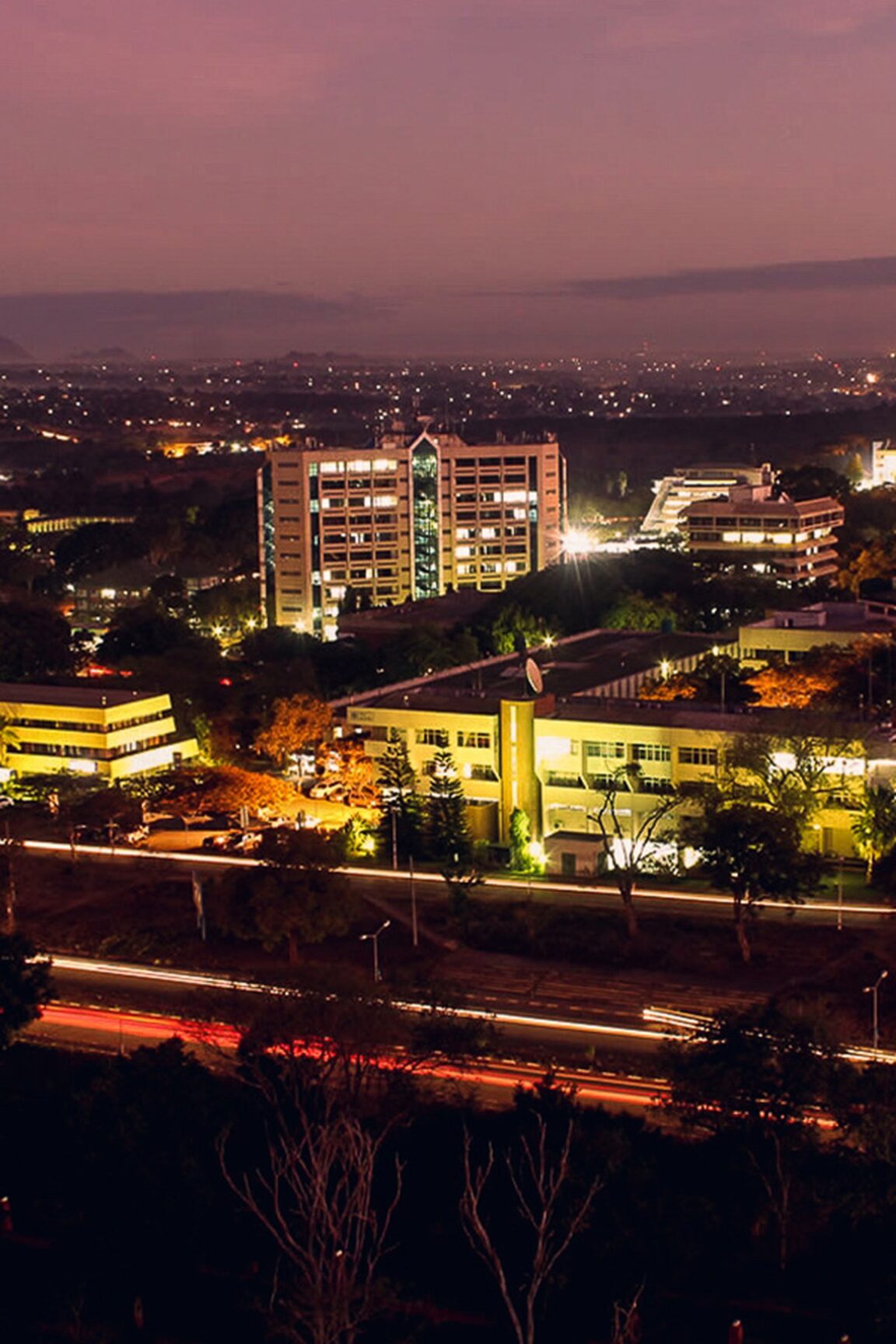
Featured image: Lilongwe, Malawi, at dusk, the capital where most eVisa holders arrive. Photo from Visit Malawi, the official Malawi Department of Tourism website (visitmalawi.mw), used with credit.