 Maya Chen
At Termas de Papallacta you soak in outdoor thermal pools at about 3,250 metres in the Andes, roughly an hour east of Quito on the road that climbs over a pass above 4,000 metres and then drops toward the Amazon. The day divides into two products with two prices: the Balneario, the public bathing area with 10 thermal pools and 3 cold spring pools at $10.50 for an adult, and the Spa, a quieter garden circuit of 5 hydromassage pools and a polar pool at $25. The skill of the day is pacing, because hot water at altitude tires you faster than the same soak at sea level. This guide sets out the pool split, the Quito day trip maths and a soak rhythm that leaves you restored rather than wrung out, with every price and hour taken from the resort’s own site on the day of writing.
Quick Facts
- Altitude: The village of Papallacta sits at 3,250 metres, per the resort’s own site; the road from Quito climbs to more than 4,000 metres on the way.
- Distance from Quito: About 1 hour by road, and about 45 minutes from Quito’s international airport. The resort’s address is Km 65 on the Quito to Baeza road.
- Balneario (public pools): 10 thermal pools of different temperatures and sizes, plus 3 cold spring pools. Adults $10.50, children aged 3 to 11 and seniors $5.25, under 3s free.
- Balneario hours: Pool entry 06:00 to 21:00, closing 22:30.
- Spa pools: 5 thermal pools with pressure jets, hydrojets and air bubble hydromassage, plus 1 polar pool. Adults $25, children $17, seniors and visitors with disabilities $12.50, hotel guests $17.
- Spa hours: Monday to Thursday 09:00 to 21:00; Friday to Sunday and holidays 08:30 to 22:30. A swim cap is required and is provided with the towel and locker key.
- Towels at the Balneario: Rental $1 each, with a $5 guarantee per item.
- Facts checked: 19 November 2026, against Termas de Papallacta’s official site, linked below.
Where is Papallacta, and why does the altitude matter?
Papallacta is a small Andean village on Ecuador’s eastern cordillera, where the highway from Quito crosses the divide and begins its long descent to the Amazon basin. Termas de Papallacta’s own site places the village at 3,250 metres, describes the resort as about an hour from Quito and 45 minutes from the international airport, and notes that the tourist route climbs past 4,000 metres, where the high paramo and, on clear days, glaciers are visible. That altitude shapes the visit in three ways. The air at the pools is cool and often misty, which is precisely why the hot water feels so good and why steam rolls off the surface in the morning. The sun at 3,250 metres is strong even through cloud, so sunscreen belongs in the day bag. And your body is already working harder at altitude before you add hot water, which is why the pacing sections below matter more here than at a lowland spa. Travellers combining Papallacta with Ecuador’s other highland city can use our Cuenca travel guide to sequence the altitude days of a longer trip.
Balneario or Spa: which pools should you pay for?
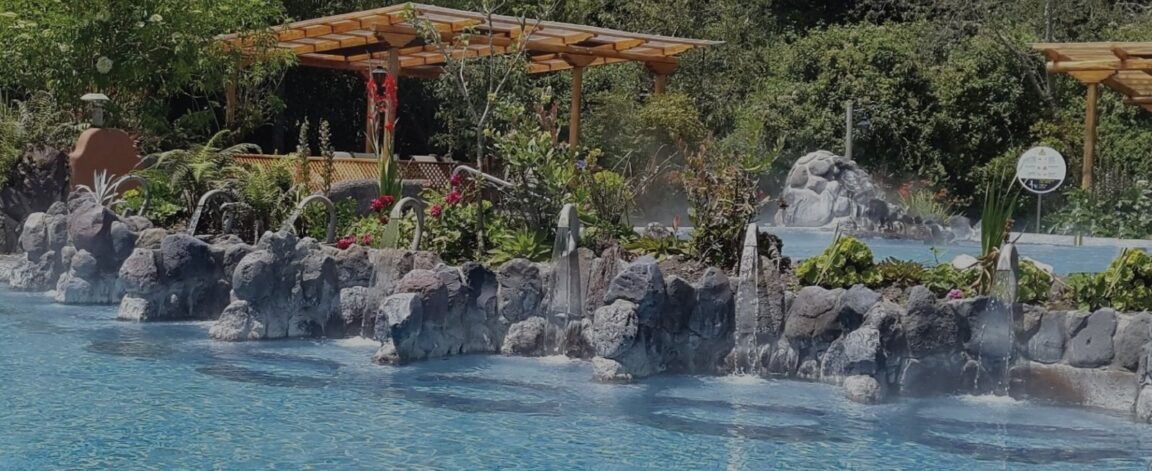
The Balneario is the public day area: 10 thermal pools of different temperatures and sizes and 3 cold spring pools, set in gardens below the hotel, at $10.50 for an adult, $5.25 for children aged 3 to 11 and for seniors, and free for children under 3. Entry runs from 06:00 to 21:00 with closing at 22:30, which makes it the flexible option: come early before a flight, or soak in the evening when the steam is thickest. It has its own restaurant, a kiosk, free floaters for children on request, towel rental at $1 with a $5 guarantee per item, and a free medical control service during the day for consultations and advice. The Spa is the calmer, garden circuit beside it: 5 thermal pools fitted with pressure water jets, hydrojets and air bubble hydromassage, plus 1 polar pool for the cold plunge, at $25 for an adult, $17 for children, $12.50 for seniors and visitors with disabilities, and $17 for hotel guests. Spa entry includes the towel, locker key and the swim cap that every spa guest must wear, and the changing rooms have floors heated with thermal water. Choose the Balneario for value, families and long flexible hours; choose the Spa for quiet, jets and a slower adult rhythm; or do what the pricing quietly invites and start in the Balneario and upgrade the afternoon to the Spa. Hotel guests get the Balneario included in the stay and a reduced Spa rate, which changes the maths for anyone overnighting.
How does the Quito day trip maths work?
The resort is close enough to Quito to be a genuine day trip and far enough to punish a late start. At about an hour from the city and 45 minutes from the airport, it works three ways. As a dedicated day trip, leave Quito in the morning, soak through the middle of the day, eat at the resort, and drive back in daylight, remembering that the return also crosses the high pass. As a flight day buffer, it is one of the more pleasant ways to spend the hours before an evening departure, given the short airport run, provided bags and timings are handled with margin. As an overnight, staying in the resort’s cabins puts the pools steps from your door, gives you the early morning and evening water at its quietest, and turns the altitude from a day trip variable into a settled night’s sleep. Public buses toward Baeza, Tena and the Amazon pass Papallacta, but a day trip on a schedule is simpler by car, taxi or an organised transfer, and the resort publishes its own transport information for the route. However you travel, build the day around one main soak block rather than three scattered ones; the sections below explain why.
How should you pace hot water at 3,300 metres?
Treat heat plus altitude as a dose, not a backdrop. Hot water dilates blood vessels and raises your heart rate; altitude does some of the same work; together they produce the light headed, wrung out feeling that first time visitors mistake for deep relaxation. The pacing that works is simple and repeatable. Start with shorter soaks of 10 to 15 minutes in a mid temperature pool rather than the hottest one. Get out, cool down in the open air, drink water, and let your heart rate settle before the next round. Use the cold pools, the Balneario’s cold spring pools or the Spa’s polar pool, for brief plunges between hot rounds; the contrast is the classic thermal circuit and it resets your temperature better than a long lukewarm soak. Eat lightly before soaking and save the full Andean lunch for a rest break out of the water. And take the resort’s own warnings seriously: its Balneario page advises against entering the pools in cases including pregnancy, heart or blood pressure problems, recent surgery and after drinking alcohol, and it runs a free medical consultation service, so anyone with a condition should check there first rather than guess. If you feel dizzy, nauseous or unusually tired, that is the day telling you to stop: get out, sit in the cool air, hydrate, and use the medical service if symptoms persist. Soakers who enjoy comparing thermal cultures will find a very different etiquette in our guide to Beppu’s hells and sand baths in Japan.
What does a well paced Papallacta day look like?
Arrive, change, and walk the grounds first: the gardens, the river and the mountain views set the day’s tempo, and a short walk is also a gentle altitude check before the water. Take a first soak block of two or three short rounds in the Balneario, moving between pools of different temperatures and finishing with a cold plunge. Rest and eat out of the water, at the Balneario’s Pumamaki restaurant or the Spa’s Sunfo restaurant if you have upgraded. Take the nature side seriously in the middle of the day: the resort sits at the edge of high Andean habitat on the Cayambe Coca reserve side of the pass, and its own trails and riverside paths are the natural interval between soak blocks. Then take one final, shorter soak block in the late afternoon, when the air cools, the steam thickens and the pools are at their most atmospheric, and finish with a proper cool down and water before the drive. The same rhythm, heat, cold, rest, repeat once, suits the volcanic springs of Costa Rica in our Arenal hot springs guide, with the altitude dial turned down.
What should you bring for a Papallacta soak day?
- Swimsuit, and a swim cap if you are heading to the Spa: A cap is mandatory there; the Spa provides one with entry, along with towel and locker key, but Balneario swimmers should bring their own.
- A warm layer and a rain shell: At 3,250 metres the air between pools is cool and the weather turns fast. You will wear the jacket more than you expect.
- Sunscreen and sunglasses: High altitude sun through thin cloud burns, especially with wet skin and reflective water.
- A water bottle: Hydration is the pacing tool. Fill it and finish it between soak blocks.
- Cash in small notes: For towel rental and its $5 guarantee at the Balneario, lockers, snacks and tips, without relying on a card terminal.
- A dry bag or plastic bag: For the wet swimsuit on the drive back to Quito.
- Light snacks for the road: The pass road is scenic and slow in bad weather; do not let the return journey run on an empty stomach after hot water.
Frequently Asked Questions
How much does Termas de Papallacta cost?
On the resort’s own site, checked 19 November 2026: the Balneario costs $10.50 for an adult, $5.25 for children aged 3 to 11 and seniors, and nothing for under 3s. The Spa pools cost $25 for an adult, $17 for children, $12.50 for seniors and visitors with disabilities, and $17 for hotel guests. Prices include taxes.
What is the difference between the Balneario and the Spa?
The Balneario is the public area: 10 thermal pools of varied temperatures and sizes plus 3 cold spring pools, long hours from 06:00 entry, and a family friendly atmosphere. The Spa is a separate, quieter circuit of 5 thermal pools with pressure jets and hydromassage plus a polar pool, with towel, locker and swim cap included, at a higher price.
How far is Papallacta from Quito?
About an hour by road from Quito and about 45 minutes from Quito’s international airport, per the resort. The road climbs from the capital over a pass above 4,000 metres before dropping to the village at 3,250 metres.
Is the altitude a problem for hot springs?
It is a pacing issue rather than a barrier for most visitors. At about 3,250 metres, hot water tires you faster: soak in shorter rounds of 10 to 15 minutes, cool down and hydrate between rounds, and stop if you feel dizzy. The resort advises people with conditions including pregnancy, heart or blood pressure problems and recent surgery not to enter the pools, and offers a free medical consultation on site.
Do I need a swim cap at Papallacta?
Yes in the Spa area, where a cap is required for all guests and is handed to you at reception with your towel and locker key. Bring your own if you are only using the Balneario and prefer one.
When is the best time of day to visit?
Early morning and late afternoon give the most atmospheric soak, with cool air, thick steam and quieter pools. The Balneario’s 06:00 entry makes a dawn soak possible, and weekday visits avoid the weekend day trip crowds from Quito.
Altitude, distances, pool counts, prices and hours were checked on 19 November 2026 against Termas de Papallacta’s official site, termaspapallacta.com, including its Balneario and Spa pages, linked above. Prices and hours can change; recheck the official site before a visit that depends on them. Health notes summarise the resort’s own published advice and are not medical guidance. Photo: thermal pools at Termas de Papallacta, from the resort’s own official website, termaspapallacta.com (see image credit in the package metadata).