 Maya Chen
Packing for a Tanzania safari is decided by two hard limits, not by the size of a suitcase: the small aircraft that link the parks allow as little as 15 kg per person in total, hand luggage and cameras included, and the bag itself must be soft enough to bend into a light aircraft hold and the back of a Land Cruiser. Pack one soft duffel to the strictest limit on the itinerary, dress it in neutral colours that do not draw tsetse flies or alarm wildlife, leave every plastic carrier bag at home because Tanzania has banned them at entry since 2019, and keep a small separate kit ready for a Zanzibar finish. Do that, and the packing is finished; everything else on a safari packing list is commentary.
Quick Facts
- The strictest weight: 15 kg per person in total on Coastal Aviation, including carry-on luggage. Auric Air publishes 20 kg per passenger, also including hand baggage and cameras. Pack to 15 kg and every leg is covered.
- The bag: One soft sided duffel, no rigid frame and no hard shell. Coastal Aviation strongly recommends soft bags and publishes a duffel size of up to about 40 x 40 x 80 cm for its holds.
- The plastic rule: All plastic carrier bags have been prohibited in mainland Tanzania since 1 June 2019. Visitors are advised not to carry them in suitcases or hand luggage; surrender desks operate at entry points. Clear zip bags used for toiletries are permitted.
- The colours: Khaki, olive, stone, beige and soft brown for game drives. Avoid black and dark blue around tsetse flies, avoid white, which shows dust within an hour, and avoid bright colours on walking safaris.
- The vehicle test: A duffel that fits a light aircraft hold also stacks in a Land Cruiser. A rigid case does neither well, which is why operators ask for soft bags even on road only safaris.
- Facts checked: 20 November 2026, against the Tanzanian government traveller notice and the published allowances of the safari airlines named in this guide.
Why does the soft bag rule exist?
Because of the aeroplanes. The Cessna Caravans and similar light aircraft that hop between Arusha, the Serengeti airstrips, Ruaha, Nyerere and Zanzibar carry luggage in a belly pod or a small rear hold with a door that does not negotiate. Coastal Aviation, the largest of the safari airlines, states the consequence directly in its luggage policy: a maximum of 15 kg per person including carry-on, soft bags strongly recommended, and a hard case small enough to pass through a cargo pod door of roughly 76 x 48 x 29 cm if a hard case is brought at all. A standard rigid suitcase fails that door test before weight is even discussed.
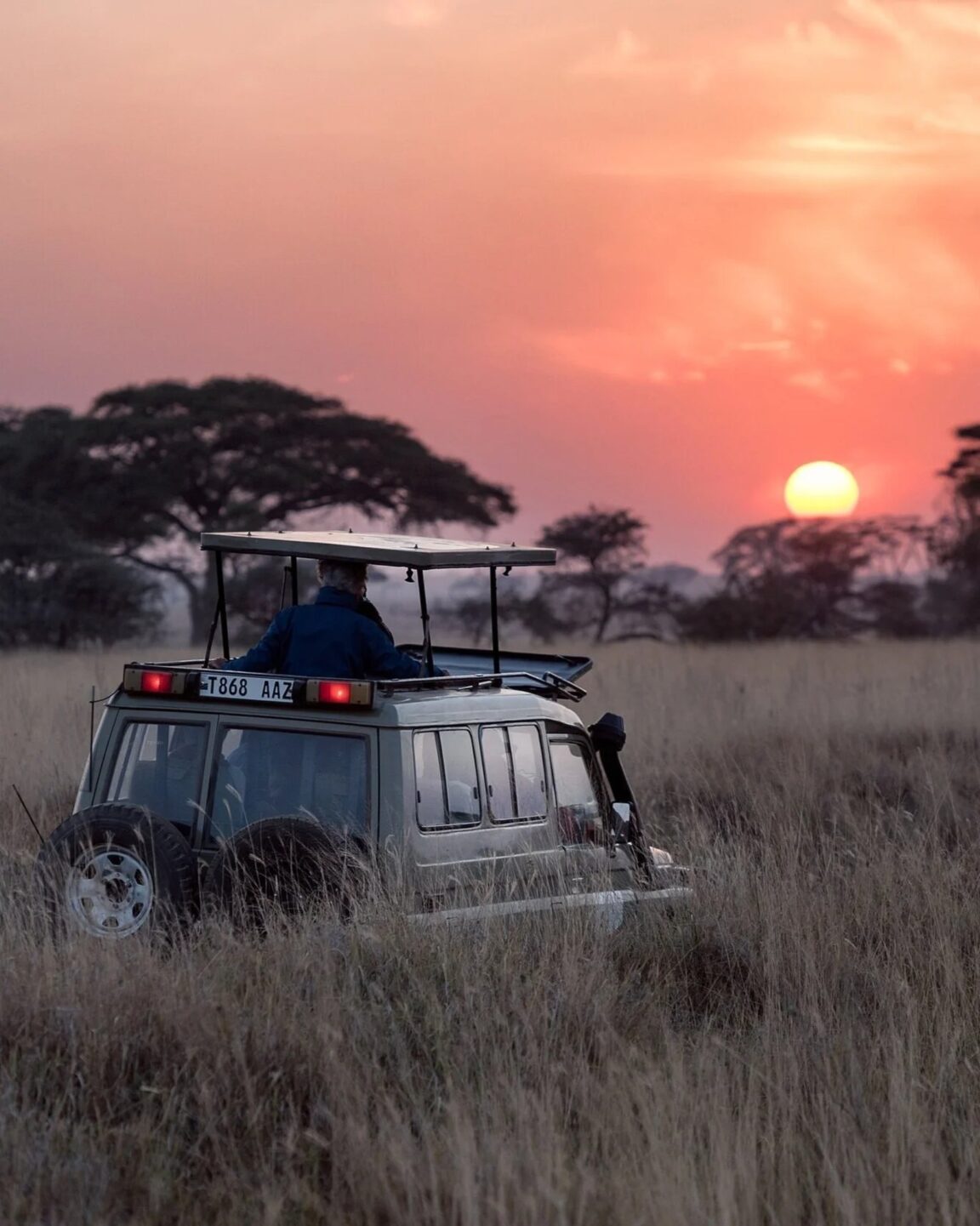
The same logic follows the bag onto the ground. Safari Land Cruisers carry the bags of six or seven guests in a shared rear space or on a roof rack, and soft duffels mould around each other while rigid cases leave unusable gaps and crack under point loads on rough tracks. Most operators therefore ask for one soft sided bag per person even when no internal flight is involved, sometimes with a stated size in the region of 80 cm on the longest side. Treat the soft bag as the safari standard, not as a bush flight exception.
How much weight do the internal flights really allow?
It depends on the airline, which is exactly why the safe number is the lowest one. Coastal Aviation publishes 15 kg per person including carry-on luggage. Regional Air publishes the same 15 kg total in soft bags, with hand baggage counted inside it. Auric Air publishes 20 kg per passenger, and its terms are explicit that the figure includes hand baggage, cameras and filming equipment. Air Excel also works to 20 kg in total. A traveller rarely chooses which of these airlines operates a given hop; the itinerary does. Pack the duffel, daypack and camera together to 15 kg on a home scale and no leg of the trip can refuse the bag.
Overweight options exist but none is guaranteed. Some airlines sell extra allowance in blocks booked ahead, or a premium seat with a higher allowance when one is free, and excess can sometimes travel as freight on a later flight. Sometimes is the operative word on a strip with one departure a day. The reliable strategies are duller: use the laundry service that almost every lodge and tented camp offers, choose one camera body and two lenses rather than three of each, and wear the heaviest boots and jacket on the flight. Our guide to packing for a Kenya safari works to the same 15 kg discipline across the border, where the bush flight rules are near identical.
What does the Tanzania plastic bag ban mean for packing?
It means the bag is audited before the safari starts. The Government of Tanzania’s official notice to travellers states that from 1 June 2019 all plastic carrier bags, regardless of thickness, are prohibited from being imported, exported, manufactured, sold, stored, supplied and used in mainland Tanzania. Visitors are advised to avoid carrying plastic carrier bags, or packing items inside plastic carrier bags, in suitcases or hand luggage before travelling, and special desks are designated at entry points for the surrender of bags visitors do bring.
The practical translation is simple. Replace packing plastic with fabric packing cubes, dry bags with roll tops, and one clear zip bag for toiletries, which the same notice permits because such bags are expected to stay in the traveller’s possession and not be disposed of in the country. Check the duty free bag habit as well: purchases carried off the international flight in a carrier bag should be transferred or handed in on arrival rather than carried into the country. It is a five minute repack at home that removes the only packing mistake Tanzanian officials are specifically looking for.
Which colours and fabrics actually work on game drives?
Neutral is a functional choice, not a dress code imposed for photographs. Khaki, olive, stone and soft brown blend with dry season grass and dust, show less dirt than white, and do not startle animals on the walking safaris where colour discipline matters most. Black and dark navy blue are the two colours to leave behind in tsetse fly country, particularly in the miombo woodland of the southern parks and parts of Tarangire, because tsetse are drawn to dark blue and black surfaces. Bright red and orange stay in the bag for lodge evenings if they travel at all.
Fabric matters as much as colour. Game drives start cold, often near dawn in an open vehicle at speed, and warm up fast, so the working system is layers again: a breathable long sleeve shirt as the base and sun shield, a fleece for the first hour, and a light insulated or windproof jacket that packs into the daypack by nine. Long trousers that zip or roll to shorts earn their place twice a day. A wide brimmed hat with a chin cord survives open vehicle wind where a cap does not, and closed shoes, not sandals, are the right default for dusty stops and any guided walk. Lodges handle the rest of the realism: laundry returned the same or next day is routine, which is why three rotating sets of safari clothing genuinely cover a ten day trip.
What goes in the Zanzibar add-on kit?
Zanzibar changes two things, the temperature and the cultural setting, and the add-on kit answers both without adding a second bag. Pack it as a separate cube at the top of the duffel: swimwear, a light cover up, reef safe sunscreen, sandals, and one set of clothing that covers shoulders and knees for Stone Town, where modest dress away from the beach is the respectful norm in a predominantly Muslim island society. A light scarf serves as that cover, as a head covering if visiting a mosque by invitation, and as an extra layer on the flight home.
The island leg also relaxes the weight story slightly, since scheduled flights between the mainland and Zanzibar on larger aircraft can carry more than the bush strips allow, but the duffel should still leave Tanzania at the weight it arrived with. Anything bought on the island, spices, carvings, fabric, counts inside the allowance on the way out, so leave a kilogram of headroom rather than a plan to sit on the bag. Travellers combining safari with a lodge stay on the mainland coast can see how the lodge half of such a trip is structured in our guide to Londolozi Game Reserve, which applies the same soft bag and laundry logic in South Africa.
Frequently asked questions
Is the 15 kg limit really enforced on Tanzania safari flights?
The limit is the airline’s, it is applied at check-in scales where they exist, and the pilot has the final word on a light aircraft where weight is a safety matter. Bags are not weighed on every bush strip, but an overweight bag can be held for a later flight. Pack to 15 kg total, including the daypack and camera, and the question never arises.
Can I bring a hard suitcase if my safari is by road only?
Operators still ask for soft bags on road safaris because Land Cruiser luggage space is shared and rigid cases waste it and suffer on rough tracks. A soft sided bag with a flexible frame is the practical compromise; a full hard shell is the one bag type every part of the system is designed against.
Are zip bags for toiletries allowed under the plastic ban?
Yes. The Tanzanian government notice permits plastic zip bags specifically used to carry toiletries, on the basis that they remain in the visitor’s possession and are not disposed of in the country. What is banned is the plastic carrier bag, in the suitcase as much as in the hand.
What colours should I avoid on safari in Tanzania?
Avoid black and dark blue in tsetse areas, avoid white for anything that will meet dust, and avoid bright colours on walking safaris. Khaki, olive, stone and beige are the working palette for game drive clothing.
How many sets of clothes do I need for a ten day safari?
Three rotating sets are enough for most travellers because lodge and camp laundry is fast and routine. That single decision, packing for laundry rather than for the full trip length, is what makes the 15 kg limit comfortable instead of tight.
Allowances and the plastic bag notice checked 20 November 2026. Airline allowances change and the figure printed on a booking always wins; confirm the allowance for each internal flight with the operator before packing.