 Rafael Santos
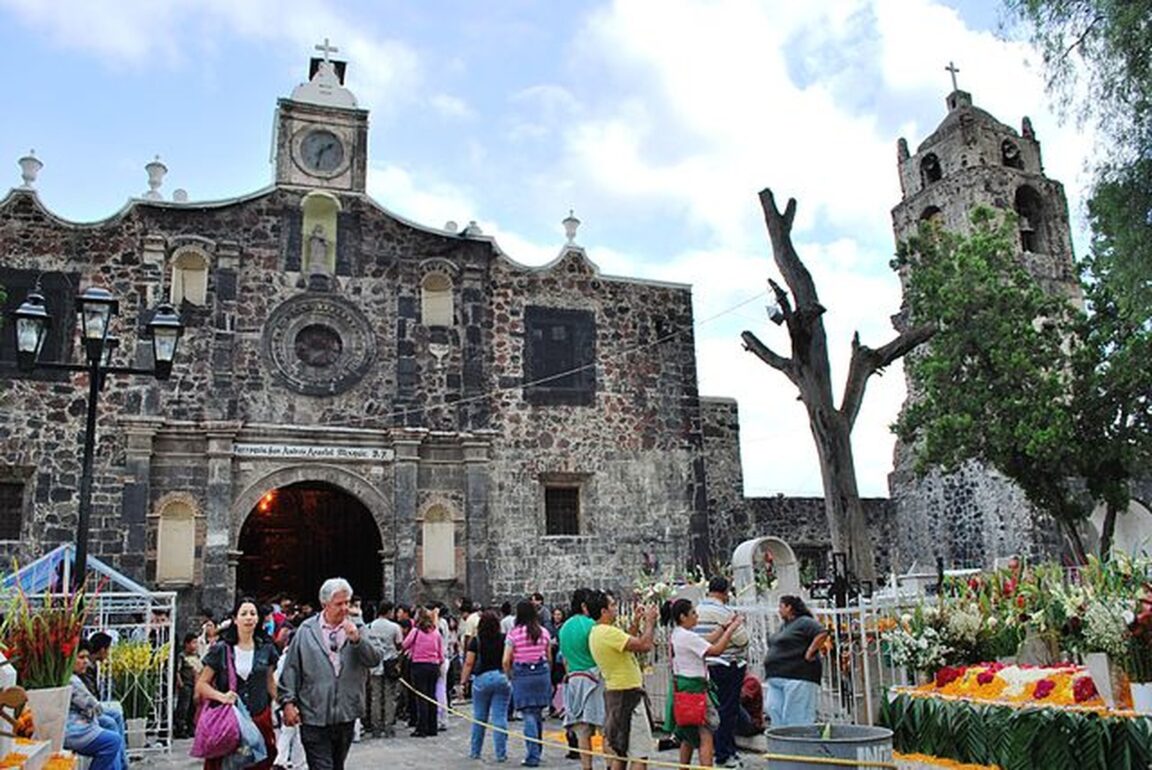
Mixquic, a village on Mexico City’s southeastern edge in the borough of Tlahuac, keeps the capital’s most traditional Day of the Dead: a ritual cycle that begins on September 29, welcomes the souls of children on October 31 and of adults on November 1, and culminates on the night of November 2 with La Alumbrada, when the colonial cemetery beside the church of San Andres Apostol goes dark and thousands of candles are lit on the graves. Visitors are welcome, but this is a family’s night in a working cemetery, not a show, and Mexico City’s official guidance is blunt about the terms: arrive hours early, ask before photographing anyone, keep a respectful silence during La Alumbrada, and never sit or step on the tombs. This guide explains the cycle day by day, the etiquette that matters, and the hard part, getting back to the city at night.
Quick Facts
- Where: San Andres Mixquic, Tlahuac borough, on the southeastern edge of Mexico City, on the border with the State of Mexico.
- Core dates: October 31 to November 2, per Mexico City’s official Day of the Dead guide. The ritual cycle opens September 29 with the Llamado a las Animas, the call to the souls.
- The climax: La Alumbrada on the night of November 2, when the cemetery lights are extinguished and candles on the graves provide the only light.
- Cemetery access: Mexico City’s Mixquic page warns that most visitors are not permitted inside the cemetery after about 10 p.m. on November 2.
- Getting there: No Metro station in the village. From Metro Tlahuac, the taxi ride is just under 40 minutes in normal conditions, and far longer on the night itself.
- Cost: The observance is not ticketed. Your spending is transport, candles, flowers and food from village stalls.
- Guide checked: November 21, 2026, against Mexico City’s official tourism portal.
What is Mixquic, and why does its Day of the Dead matter?
Mixquic is one of the seven original settlements of Tlahuac, a pueblo originario whose name comes from the Nahuatl mizquitl, meaning place of mesquite. It was once an island settlement in the former Lake Chalco, integrated into the chinampa canal system, and its centre is the church and former monastery of San Andres Apostol, begun by Augustinian friars in 1536 and 1537 and finished in 1563, built over an older Mixquica ceremonial centre. The church atrium still displays a figure of Mixquixtl, a goddess of life and death, and a chacmool sculpture. That layering, a pre-Hispanic settlement, a colonial church, and a cemetery in continuous family use, is exactly why the village’s Day of the Dead carries the weight it does. Mexico City’s official portal calls it the most traditional Day of the Dead festival in the city, with a worldview preserved over more than 500 years. Travellers who know Mexico through its wine country can find the same depth of tradition in our Valle de Guadalupe wine guide, but Mixquic in early November is the more demanding and more rewarding visit.
The ritual cycle, day by day
September 29: the call to the souls
The cycle opens long before visitors arrive. On September 29, the Llamado a las Animas, families clean the tombs of their relatives and issue the call that invites the dead to return. If you understand that the graves have been tended for a month before the festival, the etiquette rules stop sounding like restrictions and start sounding like what they are: you are entering a prepared family space.
October 31: the whisper of the little angels
October 31 belongs to the children. The city’s guide calls it El Susurro de los Angelitos, the whisper of the little angels, when the souls of children are welcomed with white petals and sweets. Home altars, the ofrendas, carry photographs, candles, water, salt, pan de muerto and the foods the remembered person loved, arranged for the smallest guests first.
November 1: the great reunion
November 1 is El Gran Reencuentro, the great reunion with the adults, guided home by their favourite dishes and by paths of cempasuchil, marigold petals, the flower that in Nahuatl poetry represents suns come down to earth to light the departed on their way. This is the fullest day of visiting in the village, with processions, concerts and altars across the town as well as the cemetery observance.
November 2: La Alumbrada
The cycle closes on the night of November 2. Families share a final meal with their dead, prepare food for the journey back, and gather in the cemetery for La Alumbrada, the illumination: the cemetery goes dark, and thousands of candles are lit on the graves amid prayers and songs, to guide the souls’ return. The city’s Mixquic page adds the practical warning that shapes every visitor’s evening: most visitors cannot get into the cemetery after about 10 p.m. that night, and those outside will find a carnival-like atmosphere in the streets while the vigil itself stays quiet inside the walls. Plan to be inside well before dark, or accept that you are attending the festival around the vigil rather than the vigil itself.
How should a visitor behave in the cemetery?
Mexico City’s official guidance to Mixquic visitors is four sentences long and worth following exactly. Arrive hours in advance, because traffic builds all afternoon. Ask for permission before taking photographs, and accept a refusal without argument; families, not visitors, are the subjects of this night. Maintain a respectful silence during La Alumbrada, when the prayers and songs are the point of the gathering. And avoid sitting or stepping on the tombs, which are sacred family spaces, not seating or shortcuts. Beyond the official four: dress for a cold night outdoors, bring a torch for the walk out rather than relying on your phone, buy candles, flowers and food from village stalls so your spending stays in the community, and keep alcohol out of the cemetery. The lake-zone food the city’s guide names for the season, mixmole, romeritos and calabaza en tacha, candied pumpkin, is worth seeking at the stalls before you enter.
Getting to Mixquic, and the harder trip back
Mixquic has no Metro station. The standard route is Metro Line 12 to its Tlahuac terminus, then a taxi or local bus onward; the city’s own page puts the taxi ride from Metro Tlahuac at just under 40 minutes, and a bus connection can take around an hour. Those are ordinary-day figures. On November 1 and 2, every account of the festival agrees on the same warning: arrive hours early, because the roads into the village fill and the last stretch is on foot through crowded streets. The return is the real problem of the night. After La Alumbrada, thousands of people leave a village with limited road capacity at the same time, taxis are scarce, and rideshares surge or vanish. The workable strategies are to book a return car or an organised transfer in advance, to stay until the small hours when movement eases, or to accept a long, slow journey and keep warm clothes and water for it. What does not work is assuming a normal city night: this is the southeastern edge of one of the world’s largest cities, at midnight, on its busiest traditional night. If the logistics defeat you in a given year, the city’s wider programme, set out in our reading of the official guide and in guides like our Lisbon itinerary style of day planning, still offers the Zocalo’s monumental ofrenda and the Reforma parade as the accessible version of the same festival.
What else is there to see in Mixquic itself?
Go in daylight first, even on the same day. The church of San Andres Apostol repays an unhurried look: three naves, a wooden door still bearing its original nails and brass fittings, and an altarpiece Christ figure made from corn paste, known as the Senor de las Maravillas, with articulated joints and natural hair. The patron saint carries a fish, in recognition of the village’s history as a fishing settlement on the lake. The atrium’s pre-Hispanic pieces, the Mixquixtl figure, the chacmool and the ball-game rings, are displayed where the Augustinians placed their church over the ceremonial centre. The village library doubles as the site museum. Seeing the church calmly at noon makes the cemetery beside it at night legible: you will know which building the candles surround, and why the ground matters to the families sitting on it.
Frequently Asked Questions
When is Day of the Dead in Mixquic?
The public celebration runs October 31 to November 2. Children are welcomed on October 31, adults on November 1, and La Alumbrada closes the cycle on the night of November 2. The families’ own cycle begins September 29 with the cleaning of the tombs.
What is La Alumbrada?
It is the night of November 2, when the colonial cemetery at Mixquic goes dark and thousands of candles are lit on the graves, with prayers and songs, to guide the souls back to the world of the dead.
Can visitors enter the cemetery on November 2?
Yes, during the day and evening, but Mexico City’s Mixquic page warns that most visitors are not permitted inside after about 10 p.m. Arrive well before dark if being inside for La Alumbrada matters to you.
How do I get to Mixquic from central Mexico City?
Take Metro Line 12 to Tlahuac, then a taxi, just under 40 minutes in normal traffic, or a local bus. On November 1 and 2, allow hours, and arrange your return in advance if you can.
Is it acceptable to take photographs in the cemetery?
Only with permission. The city’s guidance is explicit: ask before photographing families and graves, keep quiet during La Alumbrada, and never sit or step on tombs.
Is Mixquic’s celebration ticketed or commercial?
No. Nothing about the observance is ticketed. The cost of attending is transport, plus whatever you spend on candles, flowers and food from village stalls.
Sources checked November 21, 2026: Mexico City official tourism portal (mexicocity.cdmx.gob.mx), its Day of the Dead 2026 guide and its San Andres Mixquic venue page, for dates, the ritual sequence, etiquette guidance, cemetery access and transport. Photo: the church of San Andres Apostol and its cemetery in Mixquic, from the Mexico City official tourism portal.