 Jordan Ellis
Olympic National Park has no single best base, because no road crosses its middle. Highway 101 loops around the peninsula and every park zone hangs off that loop, hours apart. So stay by zone: Port Angeles for Hurricane Ridge and the north side, Lake Crescent for the lake and the Sol Duc valley, and Quinault for the southern rainforest valleys, with Forks and Kalaloch as the west-side answers for the Hoh and the coast. Two bases is the minimum for a full trip, three is comfortable, and anyone who tries to see the Hoh Rain Forest as a day trip from Port Angeles spends the best of the day driving, since the National Park Service itself puts that run at about two hours each way.
Quick Facts
- The shape: Olympic protects nearly a million acres across alpine, temperate rainforest, coastal and lowland forest ecosystems, ringed by Highway 101 with no through road.
- Port Angeles: The largest gateway town, about 17 miles from Hurricane Ridge, with the park’s main visitor centre and the ferry to Victoria, British Columbia.
- Lake Crescent: A glacially carved lake on Highway 101 west of Port Angeles, home to Lake Crescent Lodge, built in 1916, and the Log Cabin Resort.
- Quinault: The southern base, around Lake Quinault Lodge, for the Quinault Rain Forest and the southern valleys, best reached from Aberdeen or as the last stop on the loop.
- The west side: Forks for the Hoh Rain Forest, under an hour away, and Kalaloch Lodge on the coast, the park’s only year-round in-park lodge.
- Facts checked: 21 November 2026, against the National Park Service Olympic pages and the park concessioner.
Why is Port Angeles the right base for the north side?
Port Angeles is the park’s working capital. It holds the main Olympic National Park Visitor Center, the widest choice of hotels, restaurants and outfitters on the peninsula, and the Black Ball ferry to Victoria for travellers extending into Canada. Its park prize is Hurricane Ridge, the park’s alpine zone, reached by a mountain road of about 17 miles that climbs from near sea level to a high ridge of meadows and peaks. Staying in Port Angeles turns Hurricane Ridge into a weather-window decision: check the ridge webcam over breakfast, drive up when it clears, and be back in town for dinner when it does not.
Port Angeles also works as a string base for day trips west along Highway 101: Lake Crescent is roughly half an hour away and the Sol Duc valley, with its hot springs resort and waterfall trail, about an hour. What Port Angeles cannot do is the west side. The Hoh Rain Forest is about a two-hour drive, the coast at Rialto Beach a similar commitment, and Quinault far beyond day-trip sense. Travellers who base only here and attempt the whole park end up knowing Highway 101 very well and the rainforest hardly at all.
What does sleeping at Lake Crescent itself buy you?
Time at the lake, which is the point of the place. Lake Crescent is a deep, glacially carved lake of remarkable blue clarity, and the National Park Service singles it out for rowboats, kayaks and picnics as much as for trails. Lake Crescent Lodge, built in 1916 on the south shore, offers rooms in the historic main lodge, cottages and modern lodge rooms, and operates seasonally from about late April into the autumn. The Log Cabin Resort, on the lake’s northeastern shore, is the more casual sibling, with cabins and a family, camp-style atmosphere, also seasonal.
From either property, the neighbourhood walks start at the door: the Moments in Time nature trail along the shore, the short climb to Marymere Falls through old-growth forest, and the Spruce Railroad Trail along the north shore. Sol Duc, with the Sol Duc Hot Springs Resort’s mineral pools and the trail to Sol Duc Falls, is a short drive west. A Lake Crescent night also breaks the Port Angeles to Forks drive into a humane stage, which matters more than it sounds on a road that rewards stopping.
Why does Quinault anchor the south, and what is the rainforest logic?
The Quinault valley is the southern rainforest, and it runs on the same recipe as the Hoh: a river draining the Olympic high country, enormous spruce and maple, and rainfall measured in feet rather than inches. Lake Quinault Lodge, a grand 1920s lodge on the lake’s south shore in the Olympic National Forest at the park’s edge, open year-round, is the base: broad lawn to the water, a dining room built for wet evenings, and trailheads for the Quinault Rain Forest nature trails directly around the lake, including some of the largest known trees of their species on the valley roads.
Quinault suits two kinds of trip. It is the natural final night of a clockwise or counter-clockwise loop of Highway 101, giving you a rainforest day without backtracking to Forks. And it is the gentlest rainforest introduction for travellers coming from Portland or the south, a shorter commitment than the Hoh with the same moss-draped payoff. What it is not is a base for Hurricane Ridge or Lake Crescent: both are hours away around the loop, and the park’s geography does not forgive that plan. Our weather-first companion piece, Olympic National Park in the rain, covers how the Hoh, the coast and tide timing behave in wet conditions, and travellers stringing the northern parks together often pair Olympic with Katmai’s Brooks Falls platform guide on an Alaska extension.
Where do Forks and Kalaloch fit?
Forks is the functional west-side town: motels, diners, supplies, and the shortest sensible drive to the Hoh Rain Forest, under an hour to the Hoh Visitor Center at the end of the Upper Hoh Road. The Hoh is one of the finest remaining temperate rainforests in the United States, per the Park Service, with the Hall of Mosses and Spruce Nature trails starting beside the visitor centre and a 72-site campground in the old growth along the river. In peak season the Hoh road and car park fill early, and sleeping in Forks, or better still at the Hoh campground, is how you walk the Hall of Mosses in morning quiet instead of a midday queue.
Kalaloch, pronounced clay-lock, is the coast’s answer: Kalaloch Lodge sits on a bluff above the Pacific, with cabins along the edge, and is the only lodge inside the park open year-round. From Kalaloch the tree-topped beaches of the southern coast, Ruby Beach among them, are short drives, and the lodge works as a one-night storm-watching or sunset stop between Quinault and Forks, or as a base in its own right for a coast-focused trip. Between them, Forks and Kalaloch cover the west side that Port Angeles cannot reach.
How many bases, in what order, for how long?
For three nights, choose by interest: Port Angeles plus Forks for ridge and rainforest, or Port Angeles plus Quinault for ridge and a southern loop exit. For four or five nights, run the loop properly: Port Angeles for the north, a Lake Crescent or Sol Duc night for the lake country, Forks or Kalaloch for the Hoh and coast, and Quinault to close the south, driving Highway 101 in one direction without backtracking. Book the in-park lodges first, because their seasons are short and their rooms are few, and treat gateway-town motels as the flexible filler. Check current road and facility status on the park site before you finalise, because Olympic’s roads, including the Hurricane Ridge road and coastal access roads, close for weather and repairs in ways that can reshuffle a base plan overnight.
Finally, pack for the base you chose, not the park in general. Hurricane Ridge can be in cold wind while Port Angeles sits in mild sun, the rainforest valleys are wet on days the coast is merely grey, and Quinault evenings cool fast once the light leaves the lake. Layers and waterproofs live in the car for the whole loop, whatever the forecast says at breakfast, because on the Olympic Peninsula the forecast is a local document and your next base may be in a different climate from your last one.
Frequently Asked Questions
Can you see Olympic National Park from one base?
Not well. No road crosses the park, and the Park Service puts the Hoh Rain Forest at about two hours from Port Angeles. Two bases minimum, three for comfort, is the realistic structure.
Which base is best for Hurricane Ridge?
Port Angeles, about 17 miles from the ridge, with the park’s main visitor centre in town. Lake Crescent also works, adding roughly half an hour.
Which lodges are inside the park?
The concessioner operates Lake Crescent Lodge, Log Cabin Resort, Sol Duc Hot Springs Resort and Kalaloch Lodge. Kalaloch is open year-round; the others are seasonal. Lake Quinault Lodge sits at the park’s southern edge in the national forest.
Where should you stay for the Hoh Rain Forest?
Forks, under an hour away, or the Hoh Campground itself, with 72 sites in the old growth beside the visitor centre. Port Angeles is about two hours each way.
When do the Lake Crescent properties open?
Seasonally, from about late April into the autumn for Lake Crescent Lodge, with exact dates set by the concessioner each year. Confirm dates before building an early or late season trip around them.
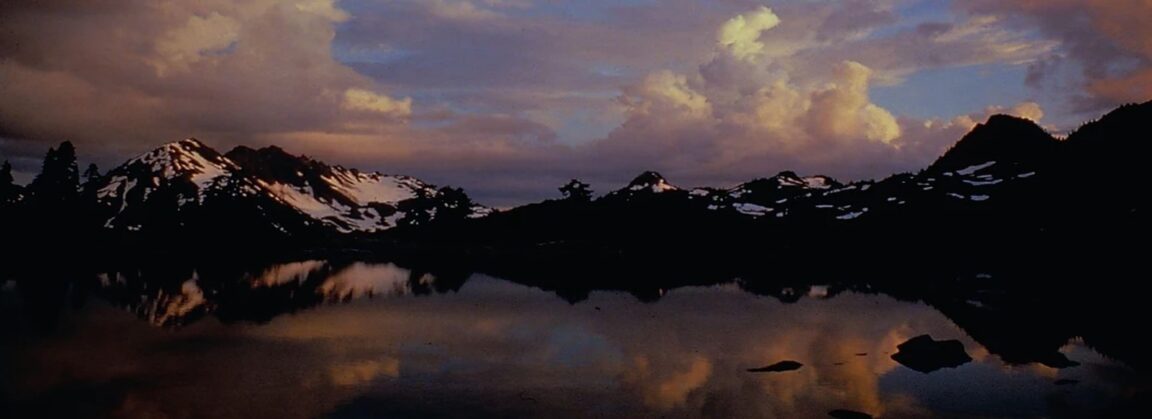
Featured image: Olympic Mountains reflected in still water at dusk, Olympic National Park, Washington. NPS Gallery image via the National Park Service (nps.gov), the park’s own official site, used with credit. Native panoramic image upscaled to exactly 1600px wide. Facts checked 21 November 2026.