 Jonas Lindqvist
No visa is required to enter Svalbard itself, for any nationality. That single fact, rooted in the 1920 Svalbard Treaty, is only half the journey, because almost every traveller reaches Longyearbyen through mainland Norway, and mainland Norway sits inside the Schengen area. If your passport needs a Schengen visa, you need one with at least two entries to get to Svalbard and back. Add the Governor of Svalbard’s safety regime, above all the polar bear rules that govern anyone stepping outside the settlements, and you have the real entry picture: open on paper, tightly managed on the ground.
Quick Facts
- Visa for Svalbard: None. The Governor of Svalbard confirms the Norwegian authorities do not require a visa for entry to Svalbard itself.
- The transit catch: Travellers who need a visa for Norway or Schengen must hold one covering travel via Norway on the way to and from Svalbard, with permission for two or more entries.
- Why two entries: Svalbard is not part of Schengen, even though it is part of Norway, so returning to mainland Norway after a Svalbard stay is a fresh Schengen entry.
- The Governor: Svalbard is administered by the Governor, Sysselmesteren, based in Longyearbyen, who handles police, rescue and environmental authority on the archipelago.
- Polar bear rule: Anyone travelling outside the settlements must carry polar bear protection, in practice a firearm or an armed guide, and polar bears have been strictly protected since 1973.
- Insurance: Search and rescue insurance is required for travel outside the settlement area, and independent trips beyond the Longyearbyen management area need advance notification to the Governor.
Why is Svalbard visa free when Norway is in Schengen?
The answer is the Svalbard Treaty of 1920. The treaty confirmed Norwegian sovereignty over the archipelago while preserving equal rights of access and residence for nationals of the signatory states. Svalbard was never folded into the Schengen area, and it sits outside mainland Norway’s customs and tax territory as well. The result is an unusual corner of Europe where entry, residence and work do not require a Norwegian visa or permit, a status the Governor of Svalbard’s visa and immigration pages set out directly.
That openness comes with a condition that surprises people: Svalbard has no welfare safety net for newcomers. The expectation, applied to everyone including Norwegian citizens, is that you support yourself, with housing and a job or savings arranged. People who cannot support themselves can be required to leave under the regulations on rejection and expulsion from Svalbard. Visa free never meant consequence free.
What is the mainland Norway transit catch?
There are no scheduled flights to Longyearbyen from outside Norway. You fly via Oslo or Tromso, both inside Schengen, and that transit is where most travellers’ paperwork actually gets tested. The Governor’s guidance is explicit: if you are required to have a visa to Norway or Schengen, you must have a visa when you travel via Norway on your way to or from Svalbard, and you should make sure it allows two entries.
The two entry logic is simple once you see the map. Flying Oslo to Longyearbyen leaves the Schengen area, because Svalbard is outside it. Flying back enters Schengen again. A single entry visa can strand the return leg. Visa exempt travellers, including British, American, Canadian, Australian and EU or EEA nationals for short stays, do not face this problem, but they still travel on a valid passport, because identity checks apply on the mainland to Svalbard route.
Border formality at unusual edges of Europe is a recurring theme in our news coverage. Compare how the checks work at another famous frontier in our explainer on Gibraltar and Spain’s EES border checks, and for a volcanic edge case with a very different rulebook, see the Reykjanes volcano viewing rules in Iceland.
Who is the Governor and what do they control?
The Governor of Svalbard, Sysselmesteren in Norwegian, is the Norwegian state’s representative in Longyearbyen and combines roles that would be split between several agencies on the mainland: chief of police, county governor, rescue coordination and environmental enforcement. For visitors, the Governor is the authority behind the rules that shape a trip once you leave town, from trip notifications to firearm permits for polar bear protection.
The Governor also accepts applications for visas to Norway and Schengen from foreign nationals staying on Svalbard, forwarding residence and citizenship applications to the Norwegian Directorate of Immigration. That detail underlines the odd geography: you can be standing on Norwegian soil, outside Schengen, applying through the Governor for permission to enter the rest of Norway properly.
What is the polar bear law every visitor hears about?
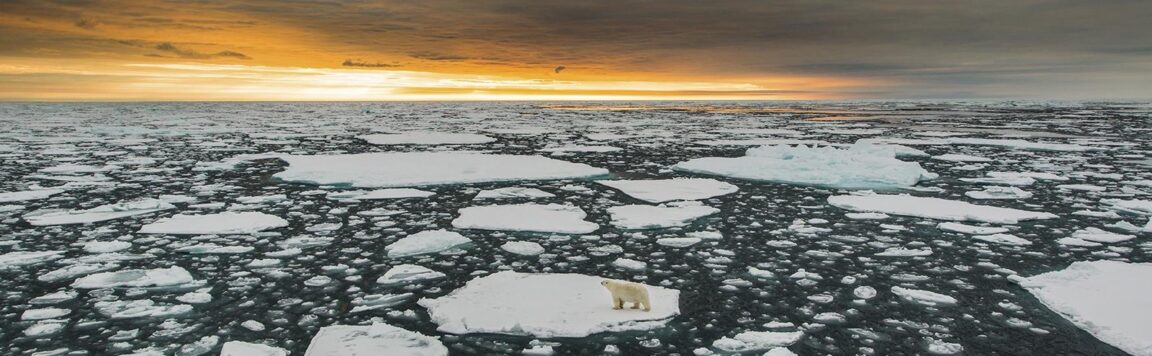
Polar bears are strictly protected in Svalbard and have been since 1973. They can appear anywhere in the archipelago, at any time of year, including at the edge of Longyearbyen. The working rule every visitor hears on arrival is that you do not leave the settlement without polar bear protection. In practice that means travelling with a guide who carries a firearm and deterrents, or, for those with the right permits and training, carrying a rifle yourself. Most visitors should take the guided route, full stop.
The law protects the bear first. It is prohibited to seek out, disturb or harass polar bears, and feeding them is illegal. Firearms in this system are a last resort for defence, backed by deterrents such as flare pistols and signal horns that guides use to move a bear away. Sightings in or near Longyearbyen should be reported to the emergency number 112 immediately. A bear encounter is managed by distance and noise long before it becomes an emergency, which is why local operators build itineraries around lookout routines, trip wires at camps and stored food discipline.
The scale of the risk is real but should be kept in proportion. Estimates commonly cited for the Svalbard and Barents Sea region run to roughly 2,500 to 3,000 bears, with a smaller share around the archipelago’s settlements at any one time. You are far more likely to see a bear, if you see one at all, from a boat or with a guide scanning the shore ice, which is exactly how the system is designed to work.
What about insurance, notifications and trips beyond town?
Leaving Longyearbyen independently triggers paperwork that guided tours handle for you. Travel outside the settlement requires insurance covering search and rescue and medical transport, with the required cover rising by zone the further you range from town. Independent trips outside the Longyearbyen management area, known as Area 10, additionally require notification to the Governor in advance, with your route, equipment and insurance documented, and a report after the trip in some categories of travel.
On an organised tour, the operator’s insurance, notification and polar bear protection are normally built into the product, which is the practical reason most first time visitors book guided snowmobile, boat and hiking days rather than improvising. If you are planning anything self led, start with the Governor’s published requirements weeks ahead, not at the airport. The archipelago’s rescue services are excellent and finite, and the insurance rules exist because a helicopter evacuation in the high Arctic is among the most expensive taxi rides on earth.
Can anyone really live and work in Svalbard?
Under the treaty framework, yes, in the narrow legal sense: no visa, work permit or residence permit is required, for any nationality. In the practical sense, Longyearbyen is a small company town built around tourism, research, logistics and mining history, with a chronic housing shortage tied to employment. Jobs come with housing or they barely work at all, residents pay for healthcare arrangements that mainland Norwegians take for granted, and the self sufficiency rule applies for as long as you stay.
Two pieces of local colour are actually rules of thumb for daily life. There is effectively no giving birth on the archipelago, with expectant mothers travelling to the mainland before delivery, and burials stopped generations ago because permafrost preserves rather than decomposes. Neither will trouble a two week visitor, but both explain the settlement’s character: a working outpost that manages risk by planning, which is the same spirit as the entry and polar bear rules above.
Frequently Asked Questions
Do I need a visa for Svalbard?
No visa is required for Svalbard itself, for any nationality. If your passport requires a Schengen visa for Norway, you still need one for the mainland transit in both directions, with at least two entries.
Why does my Schengen visa need two entries for Svalbard?
Because Svalbard is outside the Schengen area. Flying from mainland Norway to Longyearbyen exits Schengen, and the return flight enters it again, so a single entry visa is not enough.
Can I walk out of Longyearbyen on my own?
Not without polar bear protection. Anyone travelling outside the settlements must be protected, in practice by an armed guide or a permitted firearm, and independent trips beyond the management area also need insurance and advance notification to the Governor.
Are polar bears protected in Svalbard?
Yes, strictly, and they have been protected from hunting since 1973. It is illegal to disturb, pursue or feed polar bears, and sightings near Longyearbyen should be reported to 112.
Do I need travel insurance for Svalbard?
For travel outside the settlement area, search and rescue insurance is required, with higher cover the further you go. Even for a town based trip, medical and evacuation cover is strongly advised, because serious cases are treated on the mainland.
Last checked 21 November 2026 against the Governor of Svalbard and Norwegian Directorate of Immigration guidance. Entry and safety rules can change, so confirm the requirements for your passport and your itinerary before you book.