 Jordan Ellis
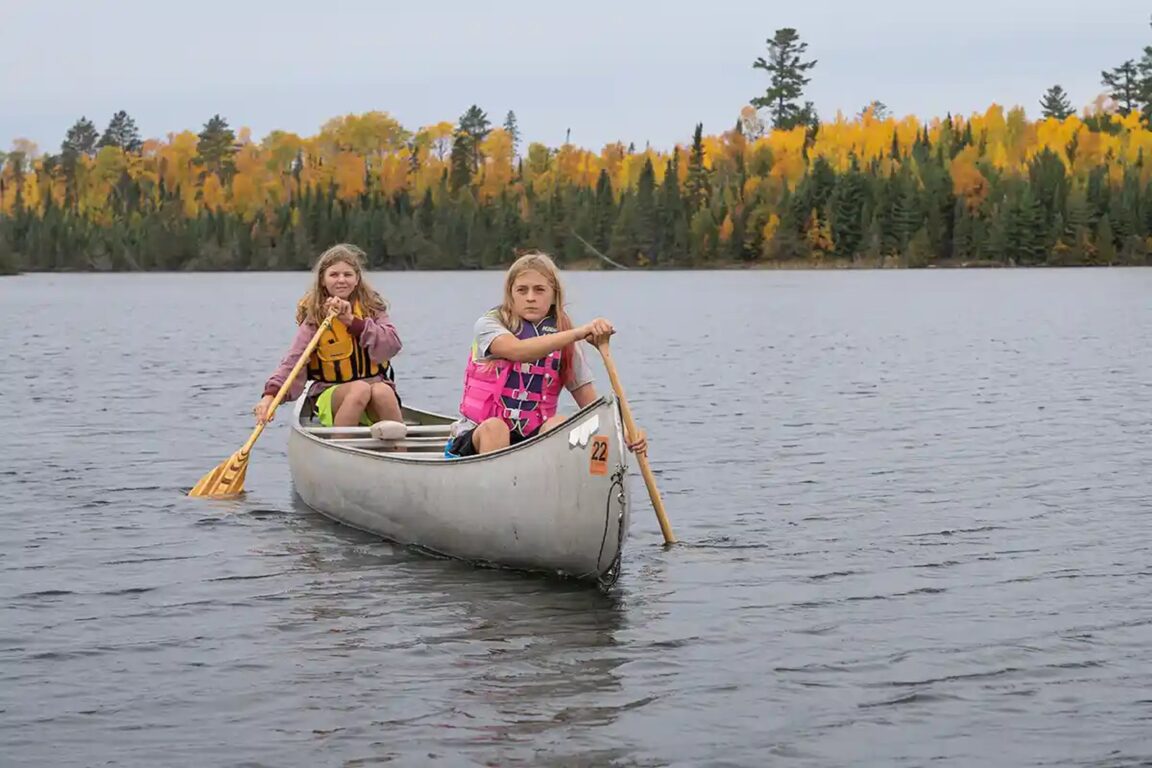
Ely rewards travellers who give it a full day of its own, not just the hour before a canoe trip. This town of about 3,400 people in northeastern Minnesota, 100 miles north of Duluth, is the headquarters for nearly 20 entry points into the Boundary Waters Canoe Area Wilderness, the million acre network of lakes and portages in the Superior National Forest. But the same streets that fit out paddlers also hold the International Wolf Center, an arts scene anchored by the Ely Folk School and the Ely Arts and Heritage Center, and a main street, Sheridan Street, lined with outfitters, galleries and cafes. The smart way to use Ely is to spend a fitting day in town first: get measured for a canoe and a pack, learn the permit rules, see the wolves, and only then drive out to an entry point with a plan that fits the season.
Quick Facts
- Where: Ely, Minnesota, 100 miles (160 km) north of Duluth and 244 miles north of Minneapolis Saint Paul
- Why it matters: Gateway to nearly 20 Boundary Waters entry points and more than one million acres of wilderness lakes and forest
- International Wolf Center: 1396 Highway 169; winter hours Friday and Saturday 10 a.m. to 5 p.m., Sunday 10 a.m. to 2 p.m., from 19 October 2026 to 27 May 2027; closed 27 to 29 November 2026
- Wolf Center admission: Adults 18 dollars, seniors 60 plus and veterans 16 dollars, children 4 to 12 pay 12 dollars, children 3 and under free; pre-registering saves on admission
- Day paddling permits: Free self-issued permits at the entry point kiosk for non-motorised day use, required year round
- Overnight permits: Quota permits for 1 May to 30 September trips are reserved through Recreation.gov; from 1 October to 30 April all visitors use self-issued permits
- Facts checked: 22 November 2026, against wolf.org, ely.org and Forest Service guidance
Why should your first Ely day be a fitting day, not a launch day?
Because the Boundary Waters punishes guesswork quietly. A canoe that is too heavy for its paddler, a pack fitted to the wrong back, or a route chosen without counting portages turns a gentle lake trip into a grind, and Ely is one of the few wilderness gateways where the expertise to prevent that sits within a few walkable blocks. Outfitters along Sheridan Street and Central Avenue, among them Piragis Northwoods Outfitters at 105 N Central Avenue, rent canoes, packs, tents and full expedition kits, and the fitting conversation is the product: staff will ask about your route, your party and your portage tolerance, then match boat weight and pack volume to the answers. Build that conversation into a full day and it doubles as route planning, because the same staff track which entry points are busy, which lakes suit a first trip, and what the season is doing to water levels and ice.
A fitting day also absorbs the permit system calmly. Day paddlers and hikers fill in a free self-issued permit at the entry point kiosk, year round. Overnight trips between May and September run on quota permits reserved in advance through Recreation.gov, with a limited number of walk up permits at issue stations, while from October through April every visitor, day and overnight, uses the self-issued system. Checking which regime covers your dates, and whether any Forest Service fire or storm closures touch your entry point, is a ten minute job in town and a miserable surprise at a remote landing. The Ely Chamber and visitor information at ely.org is the town official starting point, and outfitters will sanity check a permit plan for free because it is their customers who get turned around when it goes wrong.
What does the International Wolf Center add to a gateway day?
It gives the wilderness a cast. The center, on Highway 169 at the edge of town, keeps ambassador wolves in a 1.25 acre wooded enclosure watched through large viewing windows, and admission includes the daily programs, theater films and the Discover Wolves and Little Wolf exhibits. In winter the center runs a reduced weekend schedule, Friday and Saturday 10 a.m. to 5 p.m. and Sunday 10 a.m. to 2 p.m., with closures over Thanksgiving weekend, 27 to 29 November 2026, and the weekend after Christmas. The weekly wolf feeding program, listed by the center as What is for Dinner, is the signature event, and the center is honest that wolves are wild animals whose appearances cannot be guaranteed at any given program. Allow about two hours, and time the visit for a program slot rather than drifting in between them.
Two miles further along the same highway, the North American Bear Center covers the other animal most paddlers hope and fear to meet, with resident bears and exhibits on bear behaviour and food storage, the practical half of trip preparation. It is seasonal, so check its current hours at bear.org before building a winter day around it. The Dorothy Molter Museum, honouring the root beer lady who lived on Knife Lake inside the wilderness for more than five decades until 1986, is likewise seasonal. In the paddling season the three stops together make a natural half day circuit; in late November the Wolf Center is the reliable anchor and the other two become check first extras.
What is there to do on Sheridan Street itself?
More than supply shopping. Sheridan Street and the blocks around it hold the Ely Folk School at 209 E. Sheridan Street, which runs classes and evening events rooted in north woods craft, from birch bark work to wilderness skills, and the town calendar on ely.org lists a steady rotation of folk school evenings, library storytimes and community events even in the quiet season. The Ely Arts and Heritage Center occupies the old Pioneer Mine buildings, a reminder that Ely was an iron mining town long before it was a paddling town, and its galleries and summer programming give the arts scene a physical home. Galleries and gift shops along the main street lean heavily on local work, lake photography, north woods textiles and the mukluks and winter clothing made for the climate Ely actually has. The honest summary is that Ely one street arts scene is small but real: it exists because year round residents make things here, not because a resort imported them.
How far are the entry points, and how should you choose one?
Ely two road corridors do most of the work. The Fernberg Road runs east of town to a string of popular entry points on lakes such as Fall Lake and the Moose Lake chain, the classic first trip water, while the Echo Trail, County Road 116, heads north and northwest to quieter, more rugged entry points. Rather than memorising drive times, which vary with gravel road conditions and season, choose by trip shape: a first overnight or a day paddle suits the nearer, busier Fernberg corridor, where help and other paddlers are close; experienced parties seeking solitude take the Echo Trail and accept the longer, rougher drive as the price of empty lakes. Either way, the drive is part of the plan, not a commute: fuel, permits and a last weather check all happen in Ely, because there are no services at the landings. Travellers building a wider Great Lakes gateway trip can pair Ely with our guide to Bayfield, Wisconsin, the Apostle Islands gateway, and with three days in Door County for a very different, softer shoreline.
When is the best season to base in Ely?
Each season changes the town job. Late May to September is the classic paddling window, with quota permits, full outfitter hours and every museum open. Autumn trades crowds for colour and cold nights, and October shifts overnight trips to self-issued permits. Winter is not a closed season here, it is a different one: the Wolf Center weekend hours, dogsled and ski culture, and a quiet main street, with the trade off that seasonal attractions close and entry point roads demand respect. The mistake is assuming Ely is only a summer supply stop. It is a year round small town that happens to guard the door to a million acres, and the day you spend in it is what turns a canoe rental into a wilderness trip that fits.
Frequently Asked Questions
Do I need a permit for a Boundary Waters day paddle from Ely?
Yes, but it is simple: non-motorised day use needs a free self-issued permit, filled in at the entry point kiosk or a Forest Service office, year round. Overnight trips from May to September need a quota permit reserved through Recreation.gov.
How much does the International Wolf Center cost?
Adults pay 18 dollars, seniors aged 60 plus and veterans 16 dollars, children aged 4 to 12 pay 12 dollars, and children 3 and under are free. Prices exclude fees and taxes, and pre-registering saves on admission.
Is the Wolf Center open in winter?
Yes, on a weekend schedule: Friday and Saturday 10 a.m. to 5 p.m. and Sunday 10 a.m. to 2 p.m., from 19 October 2026 to 27 May 2027, with holiday closures including 27 to 29 November 2026.
How many Boundary Waters entry points are near Ely?
The Ely area is the headquarters for nearly 20 entry points, reached mainly via the Fernberg Road east of town and the Echo Trail to the north, according to the Ely Chamber at ely.org.
Can I visit Ely without paddling?
Yes. The Wolf Center, the folk school and arts programming, the mining heritage buildings and the main street shops make a full day, and in winter the town runs on snow sports rather than canoes.