 Aiko Tanaka
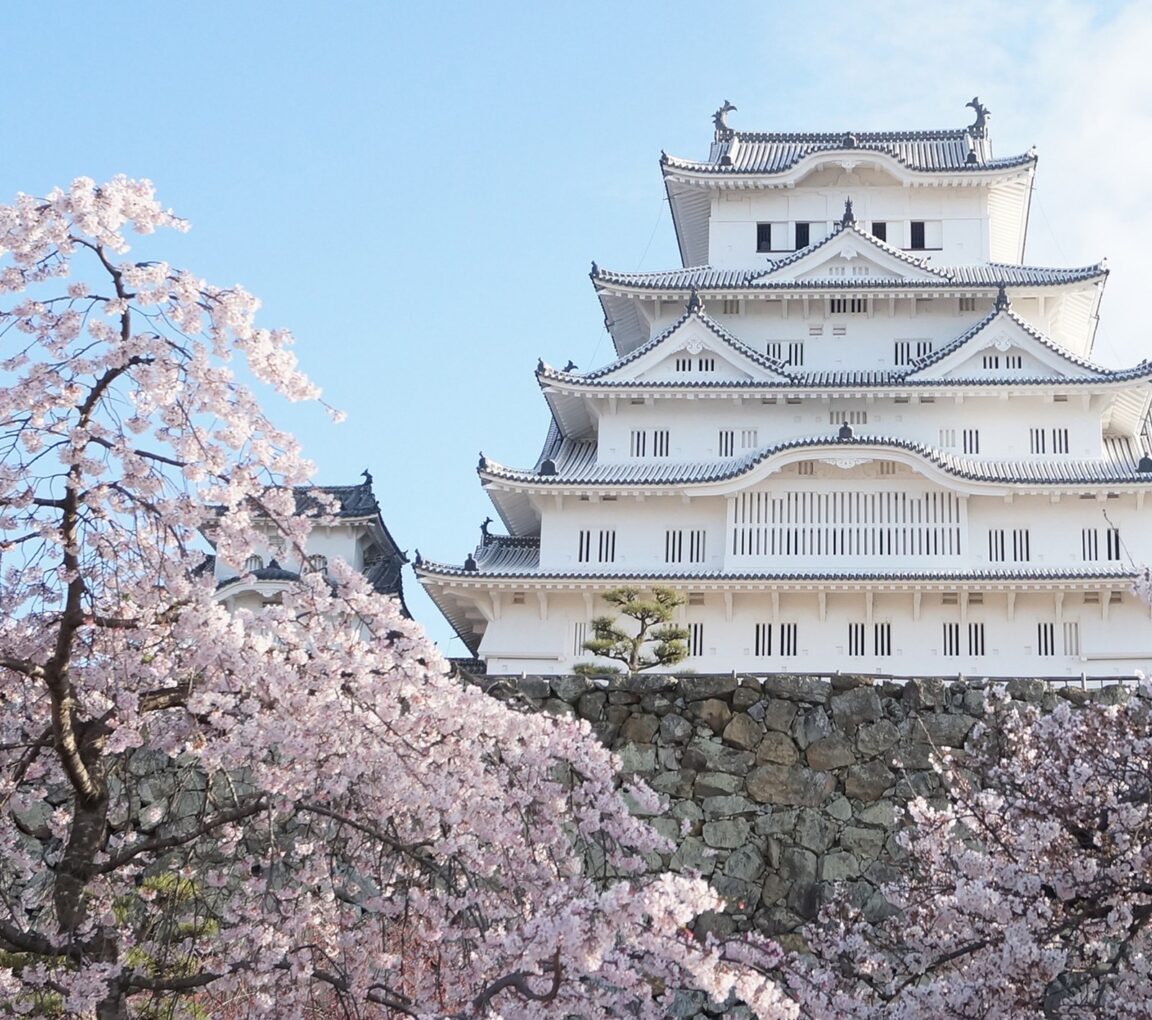
Japan does not have a single national foreigner price for attractions, and as of November 2026 there is no law that lets every castle, temple and museum charge overseas visitors more simply for holding a foreign passport. What does exist, and what is actually in force, is narrower and more interesting: a small number of places have introduced two-tier pricing based on where you live, not where you come from. The worked example everyone is watching is Himeji Castle, where since 1 March 2026 an adult who does not live in Himeji City pays 2,500 yen, a Himeji resident pays 1,000 yen, and everyone under 18 enters free. A visitor from Tokyo pays exactly what a visitor from Toronto pays. Understanding that resident versus non-resident line, rather than the foreigner headline, is the key to budgeting a Japan trip in 2026 and 2027.
Quick Facts
- In force now: Himeji Castle dual pricing, from 1 March 2026: 2,500 yen for non-resident adults, 1,000 yen for Himeji City residents, under-18s free
- The test used: Registered address in the city, proved with a My Number card, driving licence or residence card, not nationality
- Combo ticket: Castle plus Kokoen garden costs 2,600 yen; Kokoen alone is 400 yen; an annual pass is 5,000 yen
- Castle hours: 9:00 to 17:00, last entry 16:00, closed 29 and 30 December; timed e-tickets can be booked ahead at busy periods
- Still only a plan: Kyoto city bus resident fares, proposed at about 350 to 400 yen for general riders and 200 yen for residents, from the fiscal year starting April 2027
- National rules: A Japan Tourism Agency expert panel is drafting guidelines, expected by the end of fiscal 2026, so more local schemes may follow in 2027
- Prices checked: 22 November 2026, against Himeji City and castle sources
What is actually in force today, and what is only proposed?
The honest answer is that the map is patchy. Himeji is the flagship case because it is a national treasure and a UNESCO World Heritage site, and because the city published a clean, dated fee table rather than a vague surcharge. Beyond Himeji, most of what fills headlines is at an earlier stage: city assemblies debating, agencies studying, or private attractions setting their own resident discounts. Kyoto, for example, has published an outline for a resident price on its city buses, with a general fare of roughly 350 to 400 yen and a resident fare of 200 yen, but the scheme is planned for the fiscal year beginning April 2027 and still needs formal approvals. Treating that as a current fare would be a budgeting error.
Private attractions sit in a third category. When the Junglia Okinawa theme park opened in 2025, it launched with a ticket for residents of Japan priced more than 2,000 yen below the 8,800 yen charged to overseas visitors. That was a commercial decision by one operator, not a government rule, and it drew both praise for funding a major new attraction and criticism for drawing the line by residency status in a way that felt, to many visitors, like a nationality test. The distinction matters for travellers: a private park can change its tiers with a website update, while a municipal castle changes fees through a public ordinance with dates, exemptions and an official table you can check before you travel.
How does the Himeji Castle resident price actually work?
Himeji City draws the line at its own boundary. If your registered address is in Himeji City, the adult fee stays at the old 1,000 yen. Everyone else aged 18 or over, Japanese or foreign, pays 2,500 yen. Groups of 30 or more pay 2,000 yen per non-resident adult and 800 yen per resident. Under-18s, who previously paid 300 yen, now enter free, a change the city framed as widening young people’s contact with the castle. Himeji residents aged 65 and over can also enter free with the city senior welfare discount card. To claim the resident rate at the gate, visitors show an official document with name and address, such as a My Number card, a driving licence or a residence card. A foreign national registered as living in Himeji therefore pays 1,000 yen, while a Japanese day tripper from Osaka pays 2,500 yen.
The city has been explicit about where the extra money goes: maintaining, repairing and preserving the castle, plus the costs of serving overseas visitors and digitising ticketing. The castle moved to digital tickets on the same day the new fees began, and the city recommends buying a date and time ticket in advance at busy times, when the approach to the keep gets crowded. Early reporting on the first month suggested visitor numbers fell by roughly 17 percent year on year while admission revenue approximately doubled, a trade the city said was within expectations. Those early figures are best treated as an indication, not a verdict: one month of data, in a single season, cannot show whether the higher price changes who visits across a full year.
Why did Himeji choose residence instead of nationality?
Reporting on the city deliberations points to two practical reasons. First, checking nationality at a ticket window is slow and awkward, and it invites disputes about dual nationals, foreign residents and Japanese citizens who live abroad. A residence check uses documents people already carry and a register the city itself maintains. Second, a nationality tier was widely criticised in public debate as discriminatory, while a resident discount resembles the local rates that museums, pools and transport systems already offer in many countries, where residents fund a facility through local taxes year round. Whether that logic persuades you or not, it is the framework now being studied nationally, and it explains why the phrase to look for on Japanese fee pages is resident, not foreigner.
What is the national government doing about dual pricing?
The Japan Tourism Agency has convened an expert panel of economists, tourism specialists and regional representatives to draft national guidelines for two-tier pricing, with the work expected to conclude by the end of fiscal 2026, in March 2027. The questions on the table are the ones Himeji had to answer alone: how to verify residence without slowing entry, how large a gap between tiers is defensible, and how the revenue should be tied to conservation and visitor management. Until those guidelines land, each municipality and operator is improvising, which is why travellers will keep meeting different systems in different cities. For wider trip planning, our guide to Japan rebuilding tax-free shopping with refunds at departure covers the other big price change landing in 2026, and our explainer on Visit Japan Web and the single arrival QR code covers the entry paperwork that now pairs with it.
How should travellers budget for Japanese attractions in 2027?
Budget at the non-resident rate wherever a two-tier table exists, and treat any resident discount as unavailable unless you are genuinely registered in that municipality. For Himeji, that means 2,500 yen per adult, or 2,600 yen with the Kokoen garden combo, which at only 100 yen more than the castle alone is the obvious buy if you have an extra hour. Then check the official fee page again in the week before you travel: the lesson of 2026 is that Japanese cities now publish fee revisions months ahead with exact start dates, so a price in a printed guidebook or an old blog post is the single most unreliable number in your budget. Finally, keep the sums in proportion. Even at 2,500 yen, Himeji costs less than many mid-sized European attractions, and the fee funds the conservation of one of the twelve surviving original castle keeps in Japan. The travellers who get stung are not the ones who pay the higher tier; they are the ones who arrive expecting the old 1,000 yen price and a paper ticket at an empty gate.
Frequently Asked Questions
Do foreigners pay more than Japanese visitors at Himeji Castle?
No. The split is by registered address. A foreign resident of Himeji City pays the 1,000 yen resident rate, and a Japanese visitor from outside the city pays the same 2,500 yen as any overseas tourist.
What proof do I need for a resident rate in Japan?
At Himeji, an official document showing your name and Himeji address, such as a My Number card, driving licence or residence card. The old paper My Number notification card is not accepted.
Are children charged at Himeji Castle?
No. Since 1 March 2026, everyone under 18 enters free, until the first 31 March after their 18th birthday.
Will dual pricing spread across Japan in 2027?
Probably, but slowly and unevenly. National guidelines are expected by March 2027, and Kyoto resident bus fares are proposed from April 2027. Expect individual cities and attractions to adopt their own tables rather than one national foreigner price.
Is the Kyoto resident bus fare already in effect?
No. It is a published plan for the fiscal year starting April 2027, with a proposed general fare of about 350 to 400 yen and a resident fare of 200 yen, and it still requires formal approval.