 LeVar Thomas
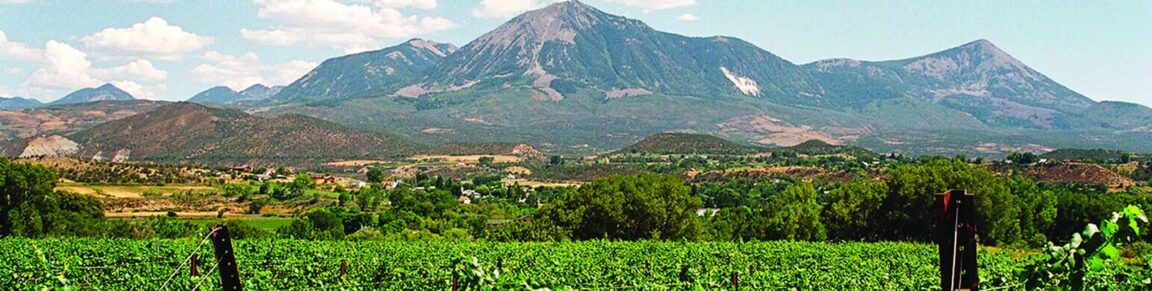
Paonia is what happened when a coal valley decided to grow food instead. This town of roughly 1,500 people in Colorado’s North Fork Valley, on the western slope of the Rockies, sits among orchards, vineyards and organic farms watered by the North Fork of the Gunnison River, under the twin landmarks of Mount Lamborn and Landsend Peak. The mines up the valley at Somerset have largely closed, and the valley’s second life is written in farm stands on Grand Avenue, tasting rooms in the West Elks wine country between Paonia and Hotchkiss, and a harvest calendar that runs from cherries in early summer to apples and wine grapes in autumn. Read Paonia beyond its festivals and it resolves into a working agricultural valley that happens to welcome visitors, which is precisely its appeal.
Quick Facts
- Where: Paonia is in Delta County, Colorado, in the North Fork Valley of the Gunnison River, on the state’s Western Slope, reached by Highway 133.
- Landscape: a high desert valley floor of orchards and farms at around 5,600 feet, beneath Mount Lamborn and the West Elk Mountains, with adobe hills and mesas at its edges.
- Wine country: the valley between Paonia and Hotchkiss forms the West Elks American Viticultural Area, with vineyards at roughly 5,000 to 6,500 feet among the highest in North America, known for Riesling, Pinot Noir, Chardonnay and Gewurztraminer.
- Harvest rhythm: cherries lead in early summer, then peaches, pears, apples and wine grapes into autumn. U pick farms such as Orchard Valley Farms run from raspberries in June to pumpkins in October.
- Coal history: the upper North Fork was one of Colorado’s great coal valleys, centred on Somerset. The mines’ decline reshaped Paonia’s economy toward agriculture, food and the arts.
- Paired day trip: the north rim of Black Canyon of the Gunnison National Park lies within day trip range to the south, and Grand Mesa, the world’s largest flat top mountain, rises to the north.
- Town scale: Grand Avenue is the main street, a few blocks of cafes, galleries, a historic theatre and farm to table kitchens. Everything in town is walkable.
How did a coal town become an orchard town?
The honest answer is that the orchards were always there, and the coal left. Settlers planted fruit trees in the North Fork Valley in the 1880s, drawn by the same combination that defines it now: river water for irrigation, a long growing season moderated by altitude, and cool nights that build sugar and acid in fruit. Paonia itself was founded in 1882 and named, through a Latinised spelling its founder preferred, for the peony. Coal mining grew up the valley around Somerset in the twentieth century and for decades paid the region’s best wages, while the farms carried on beneath it. As the mines contracted and closed in the 2010s, the valley’s centre of gravity shifted back to the land, and a generation of organic farmers, winemakers, cider makers and chefs built the North Fork’s modern reputation on top of the old orchard economy.
That layered history is visible from any farm stand. The ditches that water the orchards are nineteenth century infrastructure. The vineyards are mostly late twentieth and twenty first century plantings. The miners’ descendants and the newcomers who arrived for the food scene share the same few blocks of Grand Avenue. Paonia does not perform its transition for visitors; it is simply living it, and a traveller who asks about the valley will hear coal and cherries discussed in the same conversation, often by the same person.
Where should you taste the valley?
Start on the farms, because in Paonia the farm stand is the attraction and the shop in one. Orchard Valley Farms, on Black Bridge Road beside the river, grows cherries, peaches, pears, apples and wine grapes, runs a market of its own produce and other local food, offers u pick fruit in season, and pours its Black Bridge Winery wines in a tasting room on the farm, with the vineyard view running up to Mount Lamborn. Its season is the valley’s season in miniature: raspberries in June, pumpkins in October, the tasting room open daily from Memorial Day to Halloween. Delicious Orchards, near Hotchkiss on the same circuit, adds a cafe, hard cider from its own apples and a picnic ground that fills with local families on summer weekends.
Then take the West Elks wine trail, the loose route of wineries and cideries between Paonia and Hotchkiss. Stone Cottage Cellars, family run since the 1990s on a 13 acre estate, pours Pinot Noir, Chardonnay, Gewurztraminer and Syrah and takes overnight guests in its original stone cottage. Alfred Eames Cellars, Qutori Wines at the Root and Vine market and cafe in Paonia itself, and a scatter of small producers up the mesas each work the same high altitude logic: warm days, cold nights and volcanic soils giving white wines with natural acidity and reds with perfume rather than sheer weight. Tastings here are unhurried and often poured by the grower. Ask what the elevation does to the wine and you will get the valley’s whole story in one answer. Wine travellers who plan by valley rather than by brand will find the same pleasure in our guide to Winthrop and the Methow Valley, another mountain valley that rewards slow tasting and walking in equal measure.
What fills a Paonia day beyond eating and drinking?
Town first. Grand Avenue holds the Paradise Theatre, a restored historic cinema that anchors the valley’s arts life, galleries and studios reflecting a creative population far out of proportion to 1,500 residents, and cafes where the menu is a map of the surrounding farms. The Blue Sage Center for the Arts runs concerts and exhibitions in a former bank building on the avenue. None of this is polished resort programming; it is a small town’s cultural life, open to whoever walks in.
Then use Paonia as the base it naturally is. To the south, the North Fork road leads toward Crawford and the north rim of Black Canyon of the Gunnison, the quieter side of one of America’s steepest national park canyons, a full and spectacular day paired with a farm dinner back in town. To the north, Highway 133 climbs over McClure Pass toward Carbondale and Aspen, one of Colorado’s great scenic drives, and the Grand Mesa’s lakes and forests are reachable for a cooler high country day when the valley floor runs hot. Paonia State Park, on the reservoir up the valley toward Somerset, gives the coal country chapter its landscape: water, adobe hills and the road into the mining past. Stay two nights at minimum, three if the harvest is peaking, and let one day run entirely at farm stand speed. That pacing, a small agricultural town used as a base for a big landscape, is exactly the rhythm we recommended for Fredericksburg in the Texas Hill Country, and it works for the same reason: the town is not a stop on the way to the scenery, it is part of the scenery.
When should you come?
Follow the fruit. Cherry season opens the summer, celebrated around the Fourth of July with Cherry Days, the town’s long running festival. Peach and pear season carries August. September and October are the connoisseur’s months: apple harvest, grape harvest, crush in the wineries, the Mountain Harvest Festival in town, and cool nights returning to the valley. Winter is quiet and local, a season for the valley’s own life rather than visitors, and spring is blossom and mud and anticipation. Book harvest season stays early; Paonia’s lodging stock is small inns, farm stays and rentals, not hotels, and the best of it goes first.
Frequently Asked Questions
What is Paonia, Colorado known for?
Orchards, vineyards and organic farms in the North Fork Valley: cherries, peaches, apples and high altitude wine, produced by a former coal valley that rebuilt its economy around food. Its farm stands, West Elks wineries and harvest festivals are the main draws.
What wines does the Paonia area produce?
The West Elks American Viticultural Area, between Paonia and Hotchkiss at roughly 5,000 to 6,500 feet, is known for Riesling, Pinot Noir, Chardonnay and Gewurztraminer, with Syrah and other varieties at individual estates such as Stone Cottage Cellars and Black Bridge Winery.
When is fruit season in Paonia?
Raspberries and cherries lead in June and early July, peaches and pears follow through summer, and apples and wine grapes close the season in September and October. U pick farms typically run from June to the October pumpkin season.
How far is Black Canyon of the Gunnison from Paonia?
The park’s north rim is a day trip south of Paonia, reached via Hotchkiss and Crawford. It is the quieter rim, with canyon viewpoints and a gravel rim road in season, and pairs well with a return to Paonia for dinner.
How many days should I spend in Paonia?
Two nights is the minimum to taste the valley properly: one day for farms and wineries, one for a Black Canyon or Grand Mesa excursion. Three nights in harvest season lets the trip run at the valley’s own pace.