 Aiko Tanaka
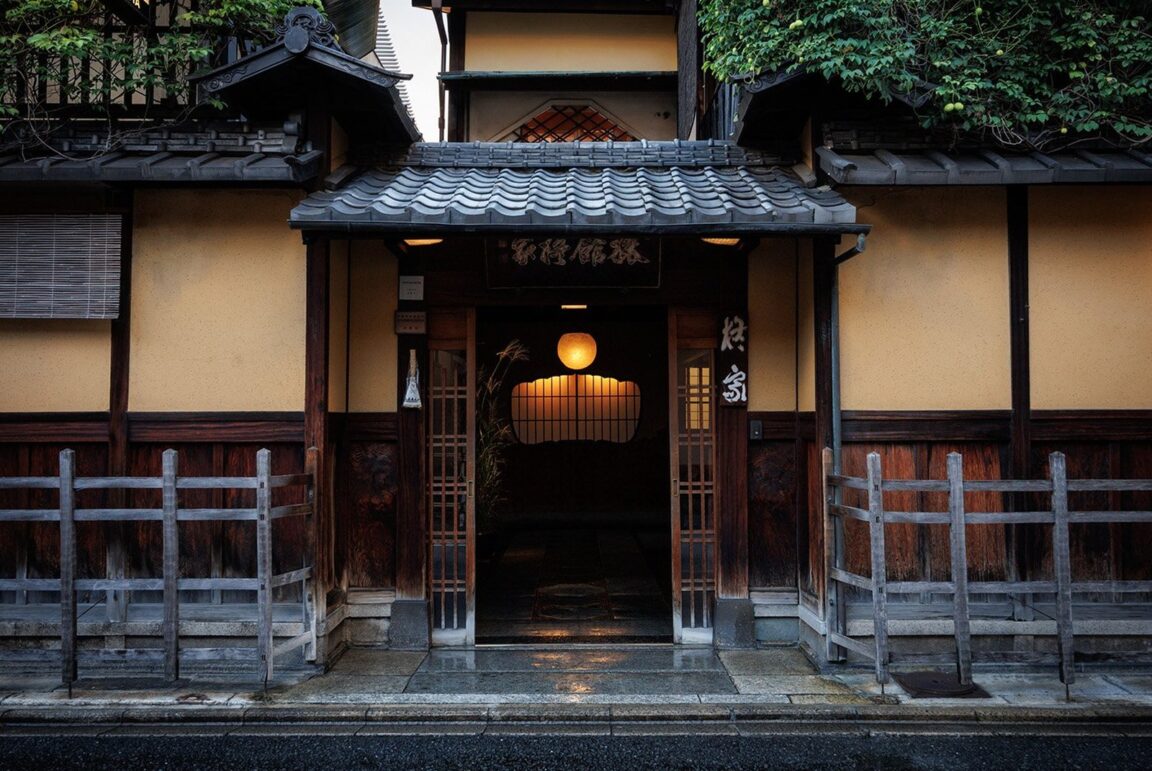
What a splurge night at Hiiragiya buys is not luxury in the hotel sense but continuity: a Kyoto inn founded in 1818, opened to guests in 1861, and run by the same family into its sixth generation of innkeepers, where dinner is kaiseki served course by course in your own tatami room, the bath is carved from fragrant umbrella pine, and the house motto, calligraphed at the entrance, promises that arriving guests should feel as if they are coming home. Set on Fuyacho street in central Kyoto, a short walk from the Nishiki Market food arcade, Hiiragiya is two streets and two centuries from the modern hotel district. Travellers who want a gym, a bar and a concierge desk should book elsewhere. Travellers who want the deepest surviving version of the Japanese inn should book here, and book the dinner inclusive plan.
Quick Facts
- Founded: 1818, when Shogoro I established a transport and seafood business in Kyoto; the family opened the house as a ryokan in 1861, per the inn’s official history
- Family: Run by the founding family across six generations; the inn’s name comes from the holly, hiiragi, of Hiiragi Shrine at Shimogamo
- Motto: Rai-Sha-Nyo-Ki, “it is our wish that arriving guests feel as if they are coming home,” in Seisai Shigeno’s calligraphy at the entrance
- Rooms: Tatami rooms in a historic main building and a newer wing, each different, facing small gardens; futons are laid after dinner
- Baths: Private baths of koyamaki, Japanese umbrella pine, filled with underground water, per the inn
- Dining: Kyoto kaiseki served in the room; breakfast built around yudofu, Kyoto’s simmered tofu
- Facts checked: November 23, 2026, against hiiragiya.co.jp, the inn’s official website
How did a seafood business become Kyoto’s defining inn?
The inn’s own history, published on its official site, begins in 1818, the first year of the Bunsei era, when Shogoro I came from Fukui and set up a residence and a transportation and seafood shipping business in Kyoto, naming it for the holly trees at Hiiragi Shrine, in the grounds of Shimogamo Shrine, to which the family was devoted. His son, Shogoro II, mastered the making of tsuba and menuki, the ornate sword fittings of the samurai, under the trade name Hiiragiya Masanuki, and regularly lodged his out of town clients in the house. In 1861 he made the lodging the business, and Hiiragiya Ryokan has received guests ever since, through the fall of the shogunate, the modernisation of Kyoto and the transformation of Japanese travel. The holly leaf remains the house emblem, worked into transoms, glass and lacquer throughout the building, a small continuity a guest begins to spot everywhere by the second day.
The guest list explains the reputation. The inn records that Nobel laureate Yasunari Kawabata and the novelist Junichiro Tanizaki both treated Hiiragiya as a home away from home, and their quoted words hang over the house’s self understanding: Kawabata on the tranquillity of a rainy Kyoto afternoon watched from its windows, Tanizaki on the play of light and shadow in its alcoves, the passage from In Praise of Shadows made flesh. Writers, artists, politicians, scientists and members of the imperial family fill out the register, but the house does not trade on celebrity. It trades on the claim, harder to sustain, that the service a guest receives tonight follows the same rhythm it followed in the nineteenth century.
What is a room here actually like?
No two rooms are the same, which is the first adjustment for hotel trained travellers. The main building is sukiya style, the tea house influenced architecture of refined Kyoto, assembled in stages from the late Edo period onward: tatami floors, tokonoma alcoves with seasonal scrolls and flowers, sliding screens, polished timber and small, intensely tended gardens outside the veranda glass. Details reward slow looking: stained glass by the craftsman Sanchi Ogawa depicting Kyoto subjects, painted fusuma panels, earthen walls and ceilings of prized cedar. A newer wing, added in the present century, interprets the same language with more contemporary bathrooms and, in some rooms, conventional beds for guests who cannot manage futons. Every room is attended by a room attendant in the classic ryokan pattern: tea on arrival, the low table set for dinner in the evening, and, while you bathe after the meal, the table cleared and the futons unrolled on the tatami. Storage is minimal and the rooms are not large. The luxury is in the craft, the garden view and the attention, not in square metres.
What happens at dinner, and why does it justify the rate?
Dinner is the centre of the Hiiragiya day, and the reason the inn’s own guidance and every serious account of the house tells guests to return early and stay in. Kyoto kaiseki, the city’s seasonal haute cuisine, is served course by course in the guest’s room, on ceramics and lacquerware chosen for the season, at a pace set by the kitchen rather than the guest. The menu follows the Kyoto calendar: bamboo shoots in spring, pike conger in high summer, matsutake mushrooms in autumn, the sequence of small dishes building from the delicate to the rich and ending with rice, soup and pickles. Service is private and unhurried, the attendant timing each course to the room. Breakfast returns to Kyoto’s other signature, yudofu, tofu simmered in hot water and eaten with condiments, alongside grilled fish, rice and the inn’s pickles. Rates at houses of this standing are quoted per person with two meals in the ryokan manner, and travellers comparing prices against room only hotel rates should compare like with like: the kaiseki dinner alone, at a Kyoto restaurant of equivalent standing, is a significant part of the bill. Travellers planning the wider city can pair the stay with our family guide to Kyoto for the sightseeing days and our explainer of the Kyoto tea ceremony for the city’s other great ritual of hospitality.
What should you know before booking?
Three honest cautions. First, the bathing is private but not onsen: the inn’s baths are carved from koyamaki, Japanese umbrella pine valued for its scent and resistance to water, and filled with gentle underground water rather than hot spring water, so travellers chasing a mineral spring soak should look to an onsen town instead. Second, the house keeps ryokan hours and ryokan quiet: reception runs from 8 a.m. to 9 p.m. by the inn’s own listing, dinner is served early by city standards, and evenings are for the room, the bath and the garden, not for a nightcap. Third, demand is deep and the room count is small, so the famous rooms and the best seasons, cherry blossom and autumn colour, require booking far ahead, and the choice between the atmospheric main building and the more practical new wing should be made deliberately, ideally in direct conversation with the house. None of these are flaws. They are the terms on which a two century old inn continues to exist, and the travellers who accept them get the thing money usually cannot renovate: a working piece of old Kyoto, still receiving guests as if they were coming home.
Frequently Asked Questions
How old is Hiiragiya, and who runs it?
The house dates its founding to 1818 and its opening as a ryokan to 1861. It has remained in the founding family for six generations of innkeepers, and its official history names the line from Shogoro I, who established the business in Kyoto, to the present proprietress’s family.
Where is Hiiragiya in Kyoto?
On Fuyacho street in Nakagyo ward, central Kyoto, a short walk north of the Nishiki Market arcade and close to Kyoto City Hall and the Sanjo shopping district. The inn publishes its telephone reception hours as 8 a.m. to 9 p.m.
Are meals included, and where are they served?
Stays are traditionally priced per person with dinner and breakfast. Dinner is Kyoto kaiseki served course by course in your room, and breakfast centres on yudofu, grilled fish, rice and pickles, also served privately.
Does Hiiragiya have an onsen?
No. Its baths are private tubs carved from koyamaki umbrella pine and filled with underground water, prized for the wood’s fragrance. It is not a hot spring inn, and travellers wanting onsen water should choose an onsen town stay instead.
Which wing should I choose, main building or new wing?
The main building for atmosphere: historic sukiya rooms, garden verandas and period craft details, with futons on tatami. The new wing for easier bathrooms and, in some rooms, beds. Both follow the same service rhythm of in room dining and attendant care.
Image: The tiled entrance gate and lantern lit doorway of Hiiragiya Ryokan on Fuyacho street, Kyoto, at dusk. Photo: Hiiragiya, via hiiragiya.co.jp, the inn’s official website, used with credit.