 Jordan Ellis
A Winthrop weekend works best in this order: boardwalk storefronts and the Shafer Museum’s pioneer village on the first morning, a Methow River trail while the light is good, and a dark-sky pullout after dinner, because this Methow Valley town packs its western theme, its history and one of North America’s great trail networks into a few walkable blocks. Treat Winthrop as a destination in its own right, not a fuel stop on the North Cascades Highway, and two days fill easily.
Quick Facts
- Where: Winthrop sits in the Methow Valley of north-central Washington, at the confluence of the Methow and Chewuch rivers, on State Route 20, the North Cascades Highway.
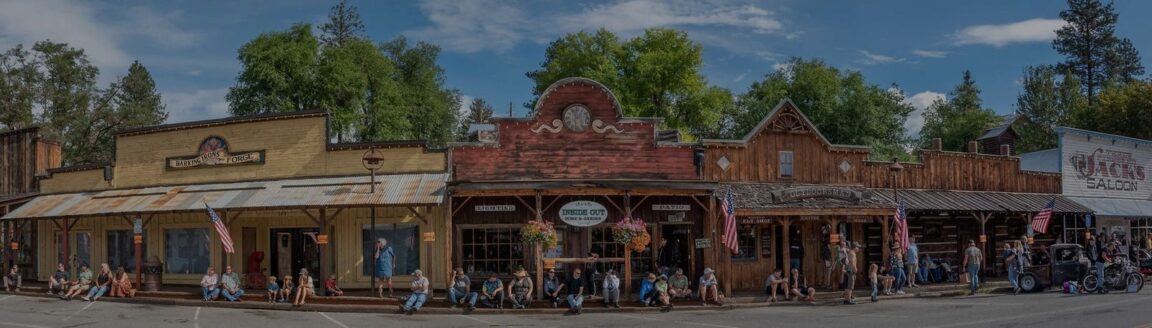
- The look: A western-themed main street of wooden boardwalks and false-front storefronts along Riverside Avenue, adopted in the 1970s and maintained ever since.
- The museum: The Shafer Historical Museum, 285 Castle Avenue, preserves original pioneer buildings and mining equipment on a bluff above town; admission is by donation, with a suggested minimum of $10 per adult and youth free, per the museum.
- The trails: Methow Trails maintains over 200 kilometres of groomed Nordic trails in winter, the largest cross-country ski network in North America, across four areas connected by the Methow Community Trail.
- Summer rhythm: The same trail system turns over to hiking and mountain biking, and the museum buildings open daily, 10am to 5pm, from late May into mid September, per the museum’s published hours.
- After dark: The Methow Valley is promoted locally for some of the darkest skies in Washington, with signed viewing spots a short drive from town.
Morning one: the boardwalks and what they are really selling
Riverside Avenue is the Winthrop everyone photographs: boardwalk sidewalks, false-front stores, a saloon with a long local history, outfitters, bakeries and an ice cream stop, all of it walkable in minutes and all of it backed by the real valley rather than a studio lot. The western theme was a deliberate 1970s reinvention as highway traffic arrived, but it was layered onto a genuine mining and ranching town, which is why it holds up under a full weekend instead of a single photo. Shop slowly. The stores here skew practical and local, outdoor gear, books, art and food, because the town serves a valley of skiers, riders and river runners as much as it serves visitors.
Base yourself in town if you can. Staying on or near Riverside Avenue means the whole weekend runs on foot: coffee on the boardwalk, the museum uphill in ten minutes, the river trail from the edge of downtown, and dinner without a drive. Travellers comparing Washington small towns will find a useful contrast in our guide to Port Townsend, the Victorian seaport on the Olympic Peninsula, and a food-first detour in our Leavenworth food guide for the drive home over the Cascades.
The Shafer Museum: the town’s memory, kept uphill
The Shafer Historical Museum occupies the site of The Castle, the home built for Guy Waring, the trader whose store anchored early Winthrop at the forks of the rivers. The museum, run under the Okanogan County Historical Society, preserves a small village of original buildings moved to and kept on the grounds: a pioneer home, a schoolhouse, a print shop and a general store among them, with an extensive outdoor collection of mining, farming and ranching equipment that explains the valley’s working century better than any panel text.
Plan the visit by the museum’s own rhythm. In summer the buildings open daily with docents; in the shoulder seasons hours narrow to weekends; and in winter the buildings close while the grounds and outdoor displays remain open to browse during daylight hours, with the honest local warning that snow is not cleared and paths are not maintained. Admission is by donation, with a suggested minimum of $10 per adult and youth free, and the museum is plain that it is available to all regardless of ability to pay. Give generously if you can; this is the institution that keeps the town’s story from becoming pure theme.
Afternoon one: the Methow River on foot
The Methow Community Trail is the valley’s spine, linking Winthrop with Mazama upriver and connecting the trail areas that make the valley famous. From town, the river sections give an easy, flat afternoon: cottonwoods and ponderosa pine, the suspension bridge over the Methow River, and water that runs cold and clear out of the Cascades. In summer the valley trails open to hikers and mountain bikers across the same network, and the river itself draws anglers and rafters in season. None of this needs a summit objective. The pleasure of a Winthrop weekend is the valley floor done well, at walking pace, with the peaks as a permanent backdrop.
Day two: deeper into the valley system
Use the second day for range. Drive or ride upriver toward Mazama for the upper valley’s trailheads and its general-store breakfast culture, or climb to the Sun Mountain area above town, where trails and a lodge sit in the ponderosa forest with the valley spread below. Pearrygin Lake State Park, just outside town, adds swimming, paddling and a lakeshore campground to the weekend, and its rangers have run Saturday night star tours in late summer, staffing and weather permitting, per the Methow dark-sky programme. In winter the whole calculus inverts and improves: over 200 kilometres of groomed trails across the Mazama, Winthrop, Sun Mountain and Cub Creek areas, connected by the Community Trail, make this the largest cross-country ski network in North America, and a Winthrop winter weekend of ski, soak and boardwalk dinners needs no alpine resort at all.
After dinner: the dark-sky dividend
The board’s promise of certified dark skies deserves a plain explanation. The Methow Valley’s own dark-sky programme lists viewing locations chosen for car access, parking and open horizons: Gunn Ranch Road and Lewis Butte east of town, Pearrygin Lake State Park close in, Sun Mountain above the lodge, and Mazama Meadows upriver, among others. The protocol is simple. Eat dinner in town, let your eyes adjust on the drive out, park clear of the road, and give the sky twenty minutes. Away from the Riverside Avenue lights, the Milky Way over the valley is the kind of sight city visitors describe as unbelievable, and it is free, nightly and weather permitting. Respect private property at every pullout, as the programme asks, and keep headlights and phone screens pointed down once you are set.
Getting there and the Highway 20 caveat
Winthrop is reached on State Route 20. From the west, the North Cascades Highway crosses the mountains through North Cascades National Park and is one of the great drives in the Pacific Northwest, but it is a seasonal road, closed by snow in winter, typically from late autumn to spring, with exact dates set by conditions each year. Check the Washington State Department of Transportation before any shoulder-season trip and be ready to route the long way round via Stevens Pass and the Columbia River if the pass is closed. From the east, the valley connects through Okanogan and Twisp. However you arrive, arrive before dark if you can: the last miles along the river, in evening light, are the weekend’s first exhibit.
Timing the weekend around the town calendar
Winthrop’s official visitor site makes a point worth planning around: there is always something happening in town. The calendar runs from the iconic hot air balloon festival, when balloons lift over the valley in the morning light, through folk concerts, car shows and seasonal markets to winter celebrations at the end of the road. None of these events is a reason to visit on its own, but each one changes the town’s temperature, filling the boardwalks, booking out the inns and giving the evenings a programme. Check the calendar before fixing dates, and if your weekend lands on an event, book lodging early and lean in; if it lands on a quiet weekend, you get the valley version of Winthrop instead, and many regulars prefer it.
Frequently asked questions
How many days does Winthrop need?
Two days is the sweet spot for a first visit: one for the boardwalks, the Shafer Museum and the river trail, and one for the wider valley, Mazama, Sun Mountain or Pearrygin Lake. Winter skiers should add a third day for the trail network.
What does the Shafer Museum cost?
Admission is by donation. The museum suggests a minimum of $10 per adult, youth are free, and it states that it is available to all regardless of ability to pay. Buildings open daily in summer, with reduced weekend hours in the shoulder seasons and grounds-only access in winter.
Is Winthrop only a winter ski town?
No. Winter brings the famous groomed Nordic network of over 200 kilometres, but summer runs on hiking, mountain biking, river time and Pearrygin Lake, and the town’s events calendar, from the balloon roundup to the rhythm and blues festival, is weighted to the warm months.
Where do you stargaze near Winthrop?
The Methow dark-sky programme lists car-accessible spots including Gunn Ranch Road and Lewis Butte, Pearrygin Lake State Park, Sun Mountain and Mazama Meadows. Any pullout away from town lights with an open horizon works; respect private property and traffic safety.
When is the North Cascades Highway open?
The pass section of State Route 20 closes each winter under snow and reopens in spring, with dates set by conditions. Always check the Washington State Department of Transportation for the current status before travelling in the shoulder seasons.
Featured image: Riverside Avenue’s boardwalk storefronts in Winthrop, Washington, including the Barking Irons Forge and Three Fingered Jack’s Saloon. Photo via Winthrop Washington, the town’s official visitor website (winthropwashington.com), used with credit.