 Thandiwe Nkosi
Cape Town cooks in three registers at once: Cape Malay curries scented with cardamom and cinnamon in Bo-Kaap, meat over wood fire at a braai, and a Saturday market circuit at the Old Biscuit Mill in Woodstock that runs from breakfast to lunch. A food traveller should start in Bo-Kaap, where the city oldest food culture lives in home kitchens and spice shops, take seafood and wine farm lunches as the week opens out, and book one serious splurge, La Colombe in Constantia, well ahead. This guide sets out the dishes, the etiquette and the order that makes the city table make sense, from a dawn koesister to the last glass of Constantia white.
Quick Facts
- Oldest food culture: Cape Malay cooking in Bo-Kaap, built on Indonesian, Indian and East African spice traditions carried to the Cape from the 17th century
- Signature dishes: Bobotie, spiced minced meat baked with an egg custard top; denningvleis, sweet sour lamb stew; tomato bredie; and chicken or lamb curry with rotis
- Sweet start: The koesister, a spiced, syrup soaked doughnut dusted with coconut, traditionally a Sunday morning food
- Fire ritual: The braai, meat grilled over wood coals, with boerewors sausage, lamb chops, chicken and braaibroodjies, grilled cheese and tomato sandwiches
- Market anchor: The Neighbourgoods Market at the Old Biscuit Mill, Woodstock, the Saturday morning food market that defined the city market scene
- Splurge: La Colombe, on Silvermist Wine Estate at Constantia Nek, verified on its own website, book well ahead
- Wine pairing: Constantia, the oldest wine producing region in South Africa, a short drive from the city bowl
- Michelin note: The Michelin Guide does not cover South Africa, so recommendations here rest on verified restaurants, markets and neighbourhood institutions
Bo-Kaap and the Cape Malay table
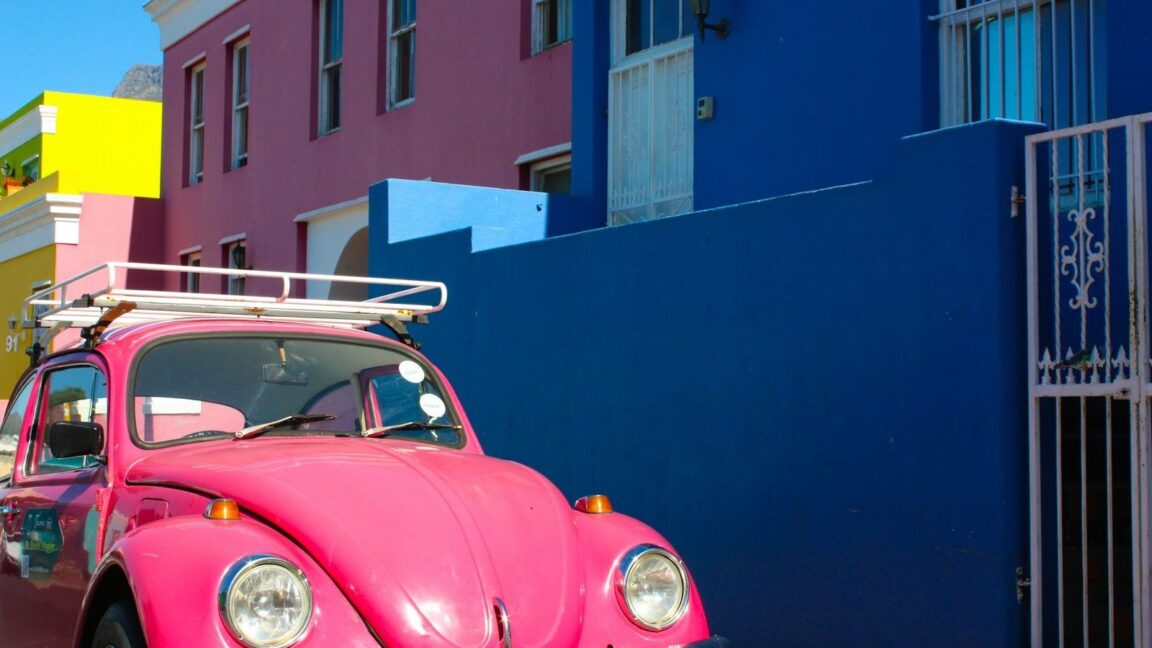
Bo-Kaap, the brightly painted quarter on the slopes of Signal Hill above the city centre, is the historical home of Cape Town Muslim community, descended largely from enslaved people and exiles brought by the Dutch from Indonesia, India, Sri Lanka and East Africa. Their cooking, called Cape Malay, is the foundation layer of South African food: curries that favour warmth over raw heat, built on turmeric, cardamom, cinnamon, coriander and dried chillies, sweetened and soured with tamarind, apricot and vinegar. The Auwal Mosque on Dorp Street, founded in 1794, is the oldest mosque in South Africa, and the Bo-Kaap Museum on Wale Street, in one of the quarter oldest houses, gives the domestic context before a meal.
The dishes to seek are specific. Bobotie layers spiced minced meat with a savoury egg custard and bay leaves, served with yellow rice and sambals. Denningvleis is lamb slow cooked with tamarind until sweet and sour. A bredie is a slow stew, classically tomato or cabbage, eaten with rice. Rotis, samoosas with crisp pastry and spiced fillings, and daltjies, chilli bites made from chickpea flour and spinach, fill the snack end of the table. On Sunday mornings, koesisters, not to be confused with the plaited Afrikaner koeksister, are sold from home kitchens and bakeries: spiced doughnuts rolled in syrup and desiccated coconut, eaten warm with coffee. The respectful way in is a guided walk or a booked cooking session in a Bo-Kaap home kitchen where one is offered, treating the quarter as a living neighbourhood rather than a photo set. The wider city frame is set out in 2 Days in Cape Town: Table Mountain, the Peninsula and Where to Stay.
The braai: rules of the fire
A braai is not a barbecue with a different name, and the difference is social as much as technical. The fire is wood, the cooking waits for coals, and the braaier, the person working the grid, holds a defined role that guests do not casually take over. Boerewors, the coiled farm sausage spiced with coriander, is the constant, joined by lamb chops, chicken pieces, sosaties, Cape Malay spiced kebabs that themselves show the Bo-Kaap influence, and steak when the budget allows. Braaibroodjies, sandwiches of cheese, tomato and onion grilled in the coals, are compulsory in most households. Sides run to chakalaka, a spicy bean and vegetable relish, pap, stiff maize porridge, and salads.
Travellers rarely get invited to a home braai on a short trip, and should not angle for one. The accessible versions are restaurants with wood fire cooking at their centre, butcher counters in the suburbs that grill to order, and wine farms offering braai lunches in season. The etiquette worth learning still applies: arrive on time, bring something for the fire or the table, never rush the coals, and understand that the hours around the fire are the event, with the eating almost incidental.
The Old Biscuit Mill and the Saturday circuit
The Old Biscuit Mill in Woodstock, a red brick former factory complex on Albert Road, hosts the Neighbourgoods Market on Saturdays, the market that reset Cape Town weekend eating when it began and still anchors the city food calendar. The working method is to arrive in the morning, take coffee and a first plate standing, then circle: baked goods and cheese, cured meats, oysters and sparkling wine at the celebratory end, dumplings, curries and flatbreads at the international stalls, and produce to carry away. Seating is communal and turnover is the etiquette, so eat, move and free the bench.
Woodstock and the neighbouring Salt River streets extend the circuit with bakeries, roasters and small restaurants, making the whole morning a walk rather than a single stop. Go early for choice, expect the midday peak, and treat the market as breakfast and lunch combined. It pairs naturally with an afternoon in the Company Garden and the city museums, or with the drive over Constantia Nek to the wine valley.
Constantia: wine farm lunches and the one splurge
Constantia, the leafy valley on the back side of Table Mountain, is where Cape wine began, and its farms run the city best lunch circuit: long tables, mountain views and cooking built on estate produce. The valley suits a slow day, one farm for a tasting, one for lunch, and no ambition beyond that. The farm hotel model just over the mountains is explored in Babylonstoren, Franschhoek: Inside South Africa Working-Farm Hotel and Who It Suits Best, and Constantia plays the same tune inside the city limits.
La Colombe, the booking to make first
La Colombe sits on Silvermist Wine Estate at the top of Constantia Nek, the pass between Constantia and Hout Bay. Verified on the restaurant own website, it serves contemporary cooking with French and Asian influences under chef James Gaag, in set lunch and dinner menus that change with the season, and it is consistently ranked among the world best restaurants. The practical advice is blunt: reserve before booking flights around it, because tables go early, and build the Constantia day around the sitting rather than squeezing it in. It is the fine dining pole of a trip whose other pole is a market koesister, and Cape Town is one of the few cities where both ends are genuinely excellent.
Seafood and the harbour circuit
The Atlantic supplies the third register. Kalk Bay and Hout Bay harbours land the fish that city restaurants trade on: snoek, a firm, oily fish that Capetonians grill and smoke; yellowtail; hake in the fish and chips shops by the quay; and West Coast rock lobster, called crayfish locally, in season and under permit rules that restaurants observe. Harbour side fish and chips, eaten outdoors with seagulls negotiating for scraps, is a Cape Town ritual as fixed as any tasting menu. Ask what came in that morning, accept the answer, and order that.
Frequently Asked Questions
What is the difference between a koesister and a koeksister?
They are different foods from different traditions. The Cape Malay koesister is a soft, spiced doughnut soaked in syrup and rolled in coconut, eaten on Sunday mornings. The Afrikaner koeksister is a plaited, crisp doughnut drenched in cold syrup. Both are sold in Cape Town, and confusing them in Bo-Kaap will get a traveller gently corrected.
Is Bo-Kaap respectful to visit for food?
Yes, when treated as a home neighbourhood rather than a backdrop. Walk in daylight, ask before photographing people or homes, visit the Bo-Kaap Museum for context, and put money into the quarter through its bakeries, spice shops, restaurants and booked home cooking sessions.
When does the Old Biscuit Mill market run?
The Neighbourgoods Market at the Old Biscuit Mill is a Saturday institution, with the food stalls busiest from mid morning. Hours and special editions change, so confirm the current Saturday schedule before planning a weekend around it, and arrive early for the full stall lineup.
How far ahead should La Colombe be booked?
As early as reservations allow. La Colombe, on Silvermist Wine Estate at Constantia Nek, is one of the most booked restaurants in Africa. Secure the table first, then build flights and the Constantia day around it.
What should a vegetarian eat in Cape Town?
Cape Malay cooking is generous here: vegetable bredies, dhaltjies, samoosas, rotis and lentil and bean dishes are core repertoire, not substitutes. Add market stalls, the city Indian restaurants and wine farm garden menus, and a vegetarian eats as well as anyone at the table.