 Hana Kim
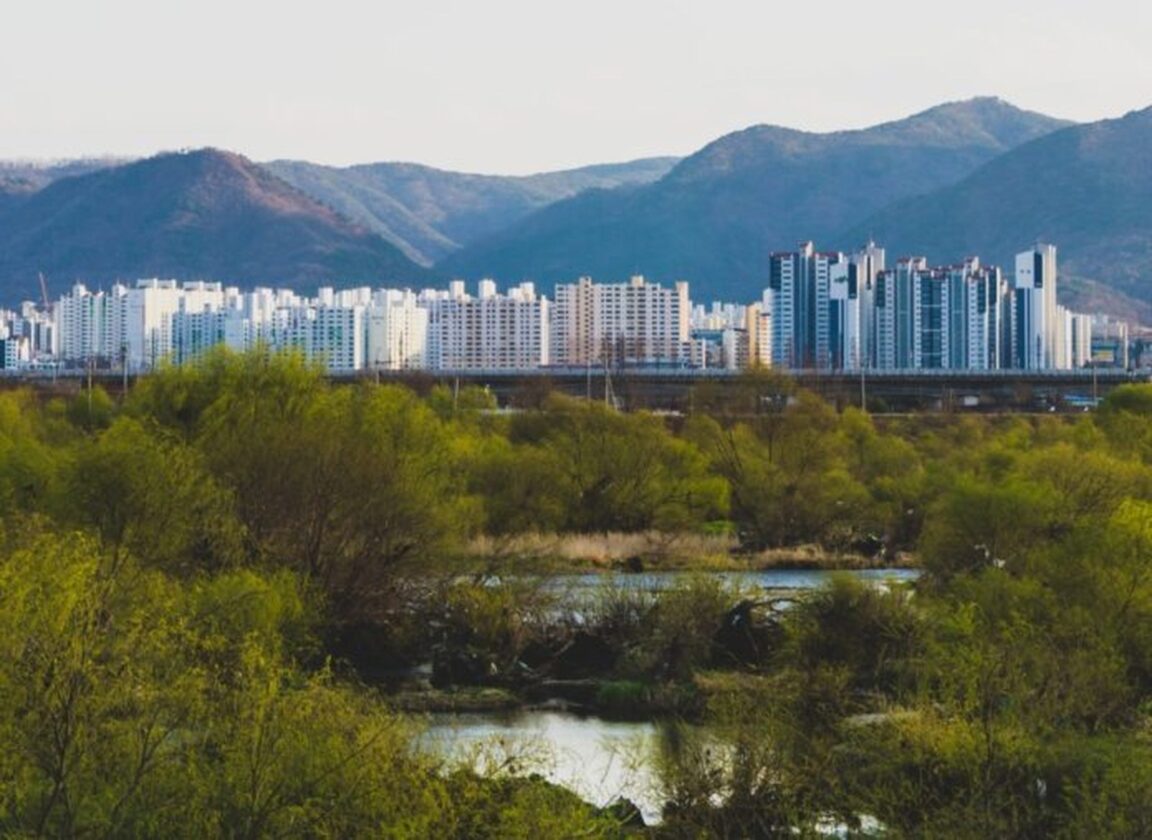
Daegu eats loud, late and grilled. The city signature is makchang, beef or pork large intestine charred over a grill and cut with scissors at the table, the best first dinner is in the makchang alleys around Anjirang, and the best first lunch is a bowl of flat napjak mandu dumplings from a Seomun Market stall. Daegu, South Korea fourth city, sitting in a mountain ringed basin southeast of Seoul, has built a food identity on heat in both senses: summers that bake the basin and a table culture of grills, spice and night markets. This guide works through the dishes in the order to eat them, the market that anchors the day, and the coffee houses that cool the afternoon down.
Quick Facts
- Signature dish: Makchang, grilled beef or pork intestine, plus its leaner sibling gopchang, served with doenjang dipping sauce and chives
- Grill district: Anjirang Gopchang Alley, a long established strip of grill houses near Anjirang station
- Market anchor: Seomun Market, one of Korea oldest and largest traditional markets, with a celebrated night market
- Market dish: Napjak mandu, Daegu flat, thin dumplings, pan fried and served with soy sauce, chilli flakes and chopped onion
- Local noodle: Ttarogukbap, rice and soup served in separate bowls rather than mixed, a Daegu point of pride
- Sweet finish: Hodugwaja style walnut cakes and market rice cakes, plus the city historic coffee houses
- Getting there: KTX and SRT trains link Daegu with Seoul in under two hours to Dongdaegu station
- Michelin note: The Michelin Guide Korea covers Seoul and Busan, not Daegu, so this guide relies on markets, alleys and city institutions rather than starred rooms
What is makchang, and why does Daegu claim it?
Makchang is the last section of cattle intestine, thick walled and rich, marinated lightly, grilled until the outside crisps and the inside stays chewy, then cut into bite size pieces with kitchen scissors. Pork makchang follows the same method at a lower price. Gopchang, the small intestine, is softer and fattier. At the table the pieces are dipped in a makjang sauce built on doenjang soybean paste, eaten with garlic chives, raw garlic, peppers and lettuce or perilla leaves, and washed down with soju or beer. It is emphatically group food, ordered by the portion, grilled in rounds, and judged by regulars on chew, char and the quality of the dipping sauce.
Daegu claim rests on density and history. The Anjirang Gopchang Alley, near Anjirang station in the south of the city, grew from a cluster of grill houses in the late 1970s into a full street of specialists, and the city promotes makchang as its defining dish. The honest traveller advice is to go with at least one companion, order a mixed set if the house offers it, pace the rounds, and let the staff manage the grill if they offer, because intestine punishes inattention faster than any steak. Travellers who have eaten their way through Jeonju will find a useful contrast in Jeonju, South Korea: Hanok Roofs, Bibimbap and the Slow Alternative to Seoul, where the table runs to rice and vegetables rather than fire and offal.
Seomun Market: the day circuit
Seomun Market, by Seomun Market station on the metro, is one of the three great markets of the Joseon era and still one of the largest traditional markets in Korea, with thousands of stalls across textiles, clothing, dried goods and food. Daegu was a textile city, and the market fabric halls remain serious wholesale territory. For a food traveller, the market does three jobs. It is the best breakfast and lunch hunting ground, it stocks the dried peppers, sesame, teas and kitchen goods that make practical souvenirs, and its night market turns the same streets into the city biggest street food evening.
Napjak mandu, the flat dumpling
Every market city in Korea has a dumpling, and Daegu version is deliberately modest: napjak mandu are flat, half moon dumplings with a thin skin and a light filling of glass noodles, chives and a little vegetable, pan fried until the base crisps. They are served with a soy dip sharpened with chilli flakes and finely chopped onion, and eaten in multiples, as a snack, a side or a full cheap lunch with tteokbokki or a cold noodle. Their appeal is texture and restraint, a deliberate counterpoint to the evening grill. Order them at a market stall, eat standing or perched, and treat the first plate as a calibration exercise, because a second plate is the local norm.
The night market order
Seomun night market lines its stalls along the market main street in the evening, and the working order is to graze rather than commit. Start savoury and small: a skewer or a cup of fried chicken, a hotteok sweet pancake if the season is cold, then the local plates, napjak mandu again in night form, napjak style flat dumplings beside spicy rice cakes, grilled items and noodle cups. Night market hours and stall lineups shift with season and weather, so check the market current schedule on the day rather than trusting any printed timetable. Go hungry, carry small cash alongside cards, and expect queues at the stalls with the longest local lines, which is the correct signal.
Beyond the grill: soups, noodles and the Daegu table
Daegu everyday eating runs deeper than its two famous items. Ttarogukbap is the connoisseur marker: a beef soup and rice served in separate bowls, so the rice stays distinct and the broth stays clear, a separation Daegu insists on where other regions serve them mixed. In summer, the basin heat drives cold noodle orders and kongguksu, noodles in chilled soybean soup. Jjimgalbi, braised beef ribs in a spicy garlic marinade, is the city other celebration dish, cooked in a pot and eaten with rice to catch the sauce. Yukgaejang, spicy beef and fernbrake soup, is strongly associated with Daegu in Korean food writing and appears on menus across the city. A traveller with two days can structure them simply: market lunch, grill night, then a soup and jjimgalbi day before the train.
The city also rewards a detour north or a stop on the way through the region. The heritage city covered in Gyeongju, South Korea: Tombs, Temples and the Open-Air Museum City sits within easy reach and makes the natural pairing with a Daegu food stop on a southeast Korea itinerary.
Coffee houses and the slow afternoon
Daegu coffee culture is older than the current cafe wave. The city was an early Korean coffee adopter, and its downtown streets around Dongseongno still hold long running coffee houses alongside the modern chains and independents. The practical use for a traveller is rhythm: Daegu food is heavy at both ends of the day, and the afternoon belongs to a coffee house seat, a walnut cake or a patbingsu shaved ice in summer, and a walk through the Dongseongno shopping streets or the Kim Gwangseok mural street, named for the beloved singer who was born in the city. That pause is not filler. It is what makes a second grill night possible.
Frequently Asked Questions
Is makchang safe for a cautious eater?
At a busy grill house, yes, with the standard street food judgement applied. Intestine is cleaned, marinated and cooked thoroughly over high heat at the table. Choose houses with strong local turnover, cook every piece well, and start with a small mixed order if unsure.
What is the difference between makchang and gopchang?
Makchang is the large intestine, thicker and chewier with a crisped exterior. Gopchang is the small intestine, softer and richer. Daegu alleys often serve both, and mixed orders are the easiest way to compare them in one sitting.
When does Seomun night market run?
The night market operates in the evenings, with hours and stall lineups that vary by season and weather. Check the market current notices on the day of a visit rather than relying on an old timetable, and arrive hungry and early in the evening for the shortest queues.
Can a vegetarian eat well in Daegu?
Yes, with planning. Napjak mandu fillings vary by stall, so ask about meat content, and lean on market vegetable dishes, bibimbap style rice bowls without meat, kongguksu soybean noodles, temple style restaurants and the coffee house bakeries. Grill alleys are the hardest setting, not the whole city.
How long does Daegu need?
One night covers Seomun Market by day, the night market and one makchang alley dinner. Two nights add the soup and jjimgalbi circuit, Dongseongno and a coffee house afternoon, which is the pace the city food actually rewards.