 Kwame Mensah
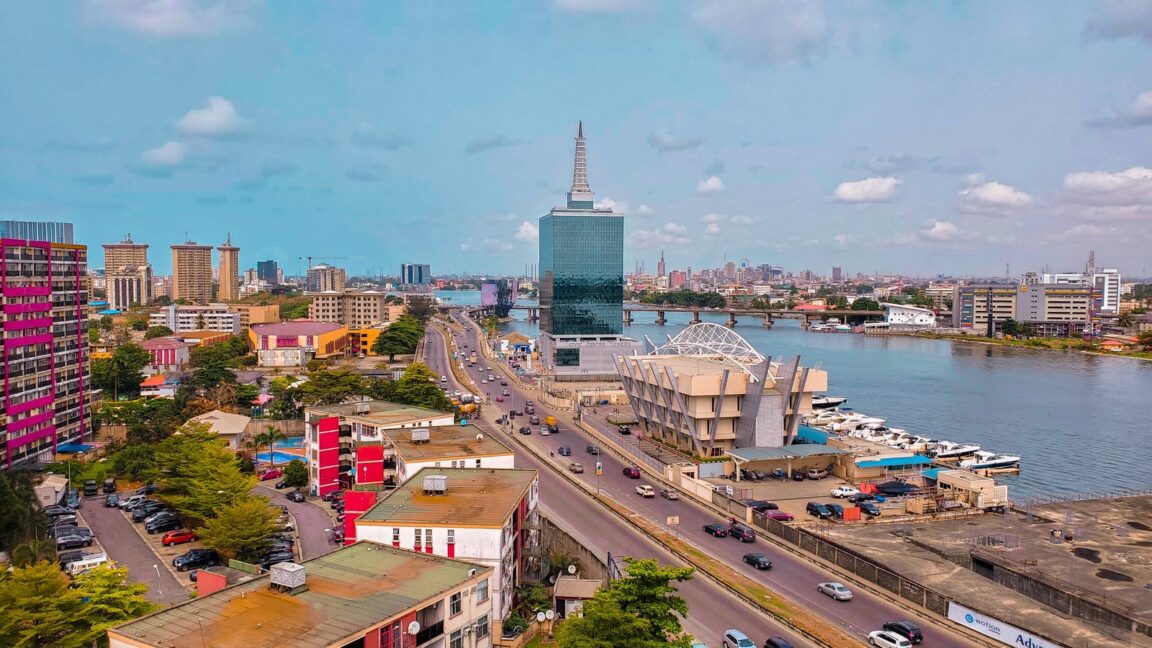
Lagos eats late, loud and in rounds. Start with suya, skewers of beef, ram or chicken grilled over open coals and dusted with yaji, the peanut and chilli spice blend that defines Nigeria’s favourite street food. Continue with jollof rice, the tomato rich party staple whose smoky bottom layer is fought over at every owambe celebration. Then follow the city east after dark, from the bukas and hotel grills of Victoria Island to the lounges and grills of Lekki Phase 1, where the night circuit runs on grilled fish, pepper soup and small chops. This guide works dish by dish, then strings the evening together. One honest note first: Nigeria has no Michelin Guide, so Lagos judges its kitchens by queues, reputations and return visits, and so does this guide.
Quick Facts
- The three anchors: Suya with yaji, smoky party jollof, and the Victoria Island to Lekki night circuit.
- Suya spice: Yaji, also called suya spice, built on ground peanuts or kulikuli, ginger, grains of paradise style heat and dried chillies.
- Jollof rule: Long grain parboiled rice in a blended tomato, pepper and onion base, finished with the smoky party layer locals call the bottom pot.
- Night circuit geography: Victoria Island for dinner institutions, Admiralty Way in Lekki Phase 1 for grills, lounges and late kitchens.
- Small chops: The party canon of puff puff, samosas, spring rolls, mosa and grilled meats that opens every Lagos celebration.
- Heat warning: Lagos pepper is not decorative. Ata rodo chillies drive both jollof bases and pepper soup, so order with respect.
- Prices checked: 14 November 2026. Naira prices shift quickly, so this guide describes dishes and districts, not price figures.
What exactly is suya, and how do you order it?
Suya is grilled meat, skewered or sliced, cooked over coals by the mallams, the northern Nigerian grill masters whose stands perfume whole street corners at dusk. The meat, classically beef, also ram, chicken, gizzard and kidney, is marinated, grilled, then showered with yaji, a dry spice blend built on roasted peanut powder, ginger, salt and fierce dried chillies. It is served the correct way with sliced raw onion, tomato and cucumber, wrapped in paper or foil, with extra yaji on the side for those who know.
Order like a regular: choose your meat, state your quantity by weight or by stick, and say your heat level honestly, because the default assumes a Lagos palate. University of Suya on Allen Avenue in Ikeja is the city’s most famous named stand, a mainland institution, while the Glover Court suya spot in Ikoyi carries the same fame on the island side. Eat suya standing at the stand if you can; the five minutes between grill and paper are when the spice blooms.
Why does party jollof taste different?
Firewood and patience. Party jollof is jollof rice cooked the celebration way, in vast pots over open flame for weddings and owambe parties, until the rice at the bottom picks up a gentle smoke and the tomato pepper base, blended tomatoes, tatashe peppers, onions and ata rodo, cooks down until its raw edge disappears. Bay leaves, thyme and curry powder season the pot, and the result should be separate grained, orange red and savoury to the last spoon, served with fried plantain, moin moin and chicken or beef.
The rivalry with Ghanaian jollof is real, friendly and best settled by eating both; our two days in Accra itinerary gives you the other side of the argument in its home city. In Lagos, every family, caterer and buka has a champion, from the party caterers of the mainland to island kitchens such as Yellow Chilli on Victoria Island, where chef Victor Fregene built a modern Nigerian menu that treats jollof and seafood okra with fine dining care.
How does the Lekki night circuit run?
Start on Victoria Island. Terra Kulture on Tiamiyu Savage Street pairs its restaurant with the city’s best known cultural centre, so dinner can run into theatre, books and art without changing buildings. Move through the island’s grills and hotel terraces for pepper soup, the clear, intensely spiced broth with goat meat, catfish or chicken that Lagosians order as both starter and cure, then cross the Lekki Ikoyi Link Bridge as the city lights come on.
Lekki Phase 1 is the night district. Along and behind Admiralty Way sit the lounges, grill houses and late kitchens that power the circuit: whole grilled croaker and catfish with yam chips and pepper sauce, asun, the chopped spicy goat meat that exists to keep a table talking, and platters of small chops circulating at parties and bars. Nok by Alara, attached to the Alara concept store, is the circuit’s design led dining room, serving West African dishes in a room that treats Lagos food as the main event. Finish late, as the city does; Lagos dinner rarely peaks before nine.
What else should a first timer eat in Lagos?
- Amala with ewedu and gbegiri: The soft yam flour swallow with jute leaf and bean soups, crowned with stew and assorted meat, a mainland buka classic eaten by hand.
- Efo riro: A rich spinach style stew of leafy greens, peppers, locust beans and assorted meats, mopped up with pounded yam or eba.
- Akara and pap: Fried bean cakes with fermented corn porridge, the Saturday morning pairing sold at gates and corners across the city.
- Puff puff: Sweet fried dough balls, the small chop that disappears first from every tray.
- Ofada rice with ayamase: Local unpolished rice under a green pepper and locust bean sauce, served on uma leaves for those who order the full tradition.
- Grilled catfish: Whole fish from the grill with pepper sauce and chips, the Lekki lounge order that feeds a whole table.
Senegal’s capital makes the natural next read for West African food travel: our Dakar guide covers thieboudienne, the region’s other great rice dish, at its source.
What is a buka, and why does it matter?
The circuit’s fine dining and lounges rest on a deeper foundation: the buka, the informal canteen, often a room of plastic chairs and handwritten menus, where most Lagosians eat most days. Bukas serve the full canon, amala, pounded yam, efo riro, egusi soup thickened with ground melon seeds, jollof and fried rice, at prices set for workers rather than occasions, and the best of them, in Surulere, Yaba and the older parts of Victoria Island, cook with a confidence the lounges borrow from. A Lagos food trip that skips the buka has seen the city’s celebration cooking and missed its daily bread, so build one buka lunch into every circuit day, order whatever the regulars are pointing at, and eat it with the spoon, fork or fingers the dish itself demands.
Frequently Asked Questions
How spicy is suya, really?
By default, properly hot. The yaji carries dried chillies and ginger heat, and stands will add more unless you ask for mild. First timers should order mild to medium and add spice at the table.
What is the difference between party jollof and home jollof?
Scale and smoke. Party jollof is cooked in large pots, often over firewood, which gives the bottom layer its prized smokiness. The ingredients are the same family; the fire changes the result.
Where do Lagosians actually eat at night?
Everywhere from buka counters and suya stands to Victoria Island restaurants and Lekki lounges. The circuit in this guide follows the island pattern visitors find easiest, but the mainland, Ikeja and Surulere especially, eats just as well and often better.
Is street food in Lagos safe for visitors?
Use the busy stand rule: high turnover, food cooked to order over real heat, and a crowd of regulars. Suya fresh off the coals and jollof from a steaming party pot are the safest bets of all.
What drink pairs with the circuit?
Chapman, the crimson mocktail of Fanta, Sprite, Angostura aromatics and fruit, is the classic lounge order, alongside fresh zobo, the hibiscus drink sold chilled in bottles and bags across the city.