 Elena Vasquez
In Genoa, breakfast is savoury and it is focaccia, eaten warm from a bakery slab and, by proud local custom, sometimes dunked in a cappuccino. Lunch belongs to pesto, a sauce with rules strict enough to have its own world championship, served on trofie or trenette with green beans and potato in the same pot. The afternoon belongs to farinata, the chickpea pancake blistered in a wood oven. String those three together with the medieval lanes of the caruggi, add the market halls and the old sciamadde fry shops, and you have Genoa’s food circuit: compact, walkable and fiercely defended by the people who cook it.
Quick Facts
- The three anchors: Focaccia genovese at dawn, pesto with trofie or trenette, and farinata from a wood fired oven.
- Focaccia name: Fugassa in Genoese dialect, sold by weight and by the strip in bakeries across the old town.
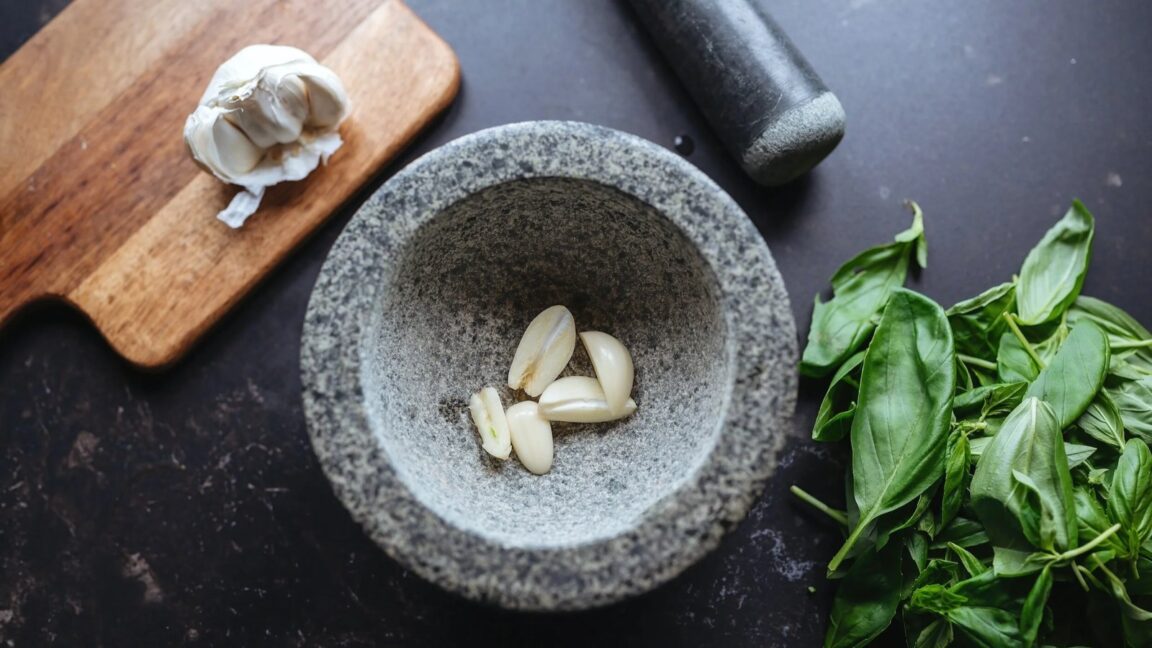
- Pesto law: Basilico Genovese DOP, garlic, pine nuts, Parmigiano Reggiano and Pecorino, coarse salt and Ligurian extra virgin olive oil, traditionally pounded in a marble mortar.
- The circuit: The caruggi, the narrow lanes of the historic centre between the cathedral of San Lorenzo and the Porto Antico.
- Market anchor: Mercato Orientale, the covered market off Via XX Settembre, for basil, cheese and focaccia under one roof.
- Sweet ending: Pandolce genovese, the city’s dense fruit loaf, and canestrelli biscuits.
- Prices checked: 14 November 2026. Bakery prices move by weight and season, so this guide describes dishes and rules, not euro figures.
Why do the Genoese eat focaccia for breakfast?
Because the bakeries make it at dawn and the city has never seen a reason to wait. Focaccia genovese is a shallow, golden flatbread, its surface cratered by fingertips and glazed with a brine of water, salt and olive oil that pools in the dimples as it bakes. The crumb stays soft, the edges crisp, and a good slab perfumes the street outside the shop. Port workers once ate it on the way to the docks, and the cappuccino dunk, which horrifies purists elsewhere in Italy, is here a point of civic pride.
Old town bakeries such as the Antico Forno della Casana, one of the historic ovens of the caruggi, sell the classic plain version alongside onion focaccia and, in season, cheese and sage. The nearby offshoot town of Recco claims the other great Ligurian flatbread, focaccia di Recco, two tissue thin layers with stracchino cheese melted between them, protected with IGP status and worth the short train ride. Order by the strip, eat walking, and save your sit down appetite for lunch.
What are the actual rules of pesto genovese?
Pesto is not a generic green sauce in its home city; it is a specification. The official tradition, defended by the consortium for Pesto Genovese and celebrated at the city’s World Pesto Championship, requires Basilico Genovese DOP, the small leafed, intensely scented basil grown on the Ligurian coast, pounded with garlic, coarse sea salt, pine nuts, Parmigiano Reggiano and aged Pecorino, and Ligurian extra virgin olive oil, which is gentler than southern oils and does not bully the basil. The mortar matters symbolically and practically: blades heat the leaves, while the pestle bruises them into a sauce that stays bright.
At the table, pesto dresses trofie, the short twisted pasta of the Genoese hills, or trenette, flat ribbons akin to linguine, and the pasta is boiled together with green beans and chunks of potato, which sounds odd until the starch and the sauce meet. Mandilli de sea, handkerchief thin sheets of pasta, are the festive alternative. Restaurants in the caruggi such as Il Genovese built their name on this single plate, and the Michelin listed dining rooms of the old town, including The Cook in its frescoed palazzo, treat the sauce with the same seriousness at a very different price level. If southern Italy’s great bread city is also on your route, our guide to Matera and its cave districts pairs well with Genoa for a slow Italy trip.
What is farinata, and where does the circuit eat it?
Farinata is Liguria’s other flatbread: chickpea flour, water, salt and olive oil whisked into a batter, rested, then baked in huge round copper pans in a fierce wood oven until the top blisters and the edges lace. Cut into wedges, eaten with black pepper, it is crisp, custardy and gone in minutes. The traditional home is the sciamadda, the old fry and bake shops of the caruggi with counters of farinata, vegetable tortes and fried fish.
Antica Sa Pesta, near the old port, cooks its farinata in a wood oven and is the circuit’s standard stop. Build the walk like this: focaccia at a bakery near the cathedral in the morning, the Mercato Orientale for the market circuit and a slice of torta pasqualina, the chard and ricotta pie, then farinata in the afternoon, and pesto at a trattoria in the lanes for dinner. Between stops, the caruggi themselves are the entertainment, a medieval maze of tall houses, shrine niches and sudden small squares that has kept its working population and its food shops with it.
What else belongs on a Genoa table?
- Pansoti with salsa di noci: Plump herb filled ravioli under a walnut sauce, the inland mountain answer to pesto.
- Cappon magro: The ceremonial salad of layered seafood, vegetables and green sauce, built like a cake and sliced like one.
- Cima alla genovese: Veal stuffed with vegetables, eggs and herbs, poached and served in slices, a Sunday dish.
- Fritto misto and fried anchovies: The sciamadde fry counters handle the catch simply and quickly.
- Minestrone alla genovese: A dense vegetable soup finished with a spoon of pesto, proof the sauce is a seasoning as much as a pasta dressing.
- Pandolce: The dense, raisin and candied fruit loaf, low and long keeping, that ends meals at Christmas and beyond.
For another Italian city where one dish rules the streets, see our guide to what to eat in Naples, pizza’s birthplace, which applies the same dish by dish method.
Frequently Asked Questions
Is the cappuccino dunk real, or a story told to visitors?
Real. Genoese bakers and bar counters expect it at breakfast, and focaccia sellers near the port will tell you the salty, oily crumb against sweet milky coffee is the city’s original morning flavour.
Can I buy true Basilico Genovese DOP easily?
In Genoa, yes: the Mercato Orientale and old town grocers stock DOP labelled bunches in season. Outside Liguria, look for the DOP mark rather than the word genovese alone.
What pasta should a first timer order with pesto?
Trofie, boiled with green beans and potato in the same water, is the canonical plate. Trenette is the close second and the one many Genoese families choose at home.
Is farinata gluten free?
The batter itself is chickpea flour, water, oil and salt, so the dish is naturally made without wheat, though shared ovens and counters mean coeliac travellers should ask the shop directly.
How long does the caruggi circuit take?
Half a day of grazing covers the bakeries, market, a sciamadda and a pesto lunch comfortably. Add an evening and you can repeat the circuit at aperitivo hour, when focaccia appears again beside local white wine.