 LeVar Thomas
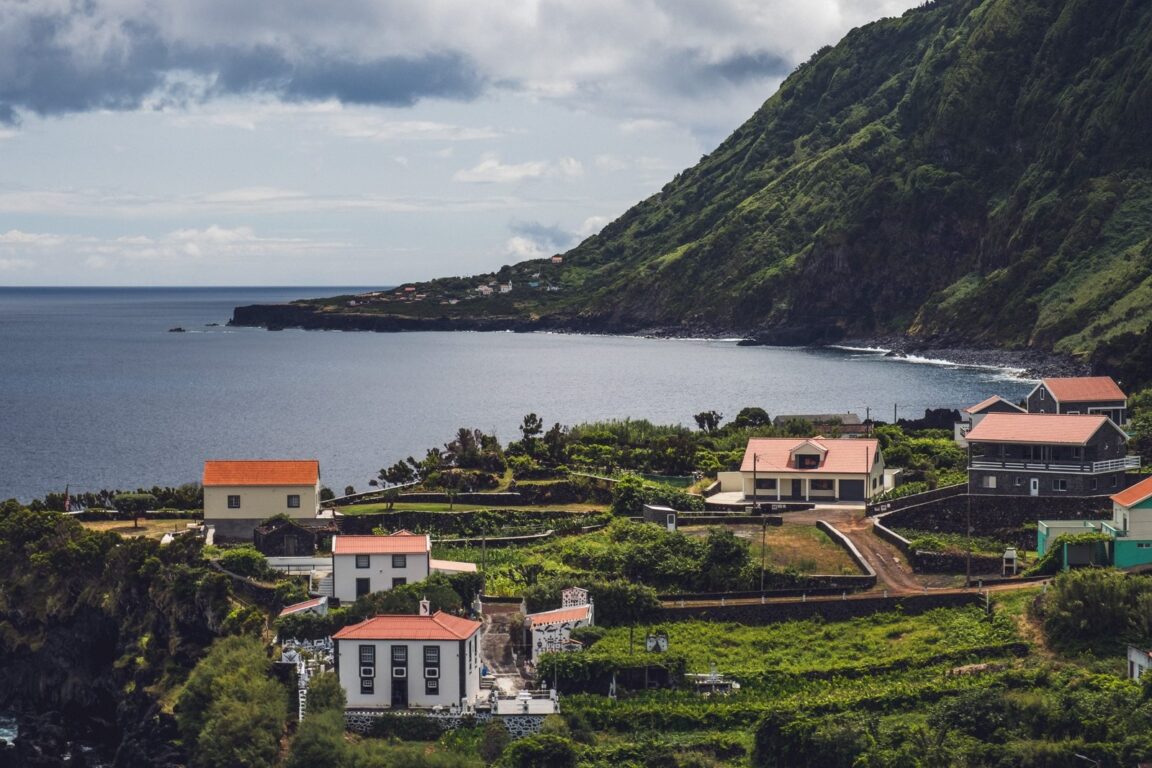
Go to Sao Jorge for the Azores in their most elemental form: a long, narrow ridge of an island where every road eventually tips down a cliff to a faja, a flat shelf of land at the sea edge where villages, natural pools and tiny farms sit between the Atlantic and the wall of green behind them. Base in Velas, drive the spine, walk down to the fajas, and eat the cheese that carries the islands name across the world. Sao Jorge is not the easiest Azores island to reach, and that is precisely its protection.
Quick Facts
- Where: In the central group of the Azores, Portugal, forming the Triangle Islands with Pico and Faial.
- Best for: Walkers, road trippers, cheese lovers and travellers who found Sao Miguel too busy.
- Headline sights: Faja da Caldeira de Santo Cristo, Faja do Ouvidor and the Poca Simao Dias pool, Faja dos Vimes coffee, Velas, and Queijo Sao Jorge dairies.
- Time needed: Three nights is the honest minimum. The island is about 53 kilometres long and rewards a slow traverse.
- Getting there: Flights to Sao Jorge Airport near Velas, usually via other Azores islands, or ferries linking Velas and Calheta with Pico and Faial. Check current timetables before fixing plans.
- Do not miss: The walk down to Caldeira de Santo Cristo, and a tasting that compares young and aged Sao Jorge cheese side by side.
What is a faja, and why does Sao Jorge have so many?
A faja is a flat, fertile shelf at the foot of a coastal cliff, created when lava flowed into the sea or when part of the cliff collapsed and settled at its base. On most Azores islands a couple of fajas exist. Sao Jorge, long, steep and geologically restless, has more than 40 of them, and some counts of every shelf and debris field pass 70. Together they form a recognised landscape: the islands fajas sit within a UNESCO Biosphere Reserve, designated in 2016, and they hold the islands villages, its natural swimming pools, its vineyards and, in one case, its coffee.
Each faja has its own character, which is what makes the driving here so addictive. Faja do Ouvidor, on the north coast, is the social one, built around the Poca Simao Dias, a clear natural rock pool that locals treat as the islands swimming place. Faja dos Vimes is the tasting one, where the Nunes family grows coffee at Cafe Nunes, a plantation often described as the only one of its kind in Europe, with beans whose story traces back to Brazil in the late 18th century, plus looms weaving traditional bedspreads in the same small settlement. And Faja da Caldeira de Santo Cristo is the pilgrimage: a protected lagoon faja reachable only on foot or by quad bike, where the walk down through Faja dos Cubres is half the experience and the lagoon, famous for its clams, is the other half. Walkers comparing Atlantic island coasts will find a useful mainland counterpoint in our Ericeira surf guide.
Why is Velas the right base?
Velas, the islands main town on the south coast, holds the harbour, the airport a few kilometres away, the widest choice of places to stay and eat, and the view that never gets old: Pico island and its mountain cone directly across the channel. The town itself is small and handsome, whitewashed houses trimmed with black basalt, an 18th century sea gate opening to the harbour, the parish church of Sao Jorge, and natural pools at the town edge for an end of day swim. Roads from Velas reach the west end and the Ponta dos Rosais lighthouse in one direction, and run the full spine east through Calheta to Topo in the other, so no faja is more than a day section away.
The honest alternative is to split the stay, with a night or two down in Caldeira de Santo Cristo itself for travellers who want the lagoon at dawn with nobody else there. Everyone else should keep it simple: Velas, a rental car, and early starts. Sao Jorge has no meaningful public transport for sightseeing, and the islands single spine road, with steep descents branching to each faja, is very much part of the trip rather than a means to it. The slow, agricultural rhythm will feel familiar to readers of our Alentejo guide, translated here from cork oak plains to cliff edge pastures.
What is the story with the cheese?
Queijo Sao Jorge is the Azores most famous food export, a raw cows milk cheese made only on this island under Protected Designation of Origin rules. The demarcated region dates to 1986, wheels weigh in at 8 to 12 kilograms, and every wheel ages for a minimum of three months, with common grades at four and seven months and special wheels kept for twelve, twenty four and even thirty six months. Production runs to roughly 1,800 tonnes a year from hundreds of small milk producers, on an island where pasture covers most of the usable land and cows comfortably outnumber people.
Taste it properly and the ages read like a scale. At three to four months the cheese is firm, tangy and grassy. At seven months it sharpens into the version most visitors take home. At a year and beyond it turns peppery, crystalline and intense, closer to a grating cheese with real bite. The cooperative UNIQUEIJO, at Beira in the Velas municipality, is the main producer and the place to see the process and buy across the age range, as the Sao Jorge cheese guide details. Smaller producers, including Finisterra at the Topo end of the island where the cheese tradition began, reward the full traverse. Cheese is not a side note here: it is the islands economy, its landscape logic and its best souvenir in one wheel.
How should three days on Sao Jorge be sequenced?
Day one belongs to Velas and the west: the town, its pools, the sea gate and church, then the drive to Ponta dos Rosais for the cliff top lighthouse at the islands tip, with a cheese stop fitted around it. Day two is the north coast faja day: Faja do Ouvidor for a swim at Poca Simao Dias, then the walk from Serra do Topo down through Faja dos Cubres to Caldeira de Santo Cristo, the islands signature hike at around 9.5 kilometres in its classic form, returning the same way. Day three runs east and south: Faja dos Vimes for coffee, Calheta town, and the long scenic drive to Topo, looking back along the spine you have been travelling. Ferries to Pico and Faial exist for triangle island hopping, but treat them as extensions, not fillers: Sao Jorge repays the full three days on its own terms, and the Sao Jorge island guide is a good cross check for trail and viewpoint choices before you finalise the order.
Frequently Asked Questions
How do you get to Sao Jorge?
By air to Sao Jorge Airport near Velas, usually connecting through another Azores island, or by ferry from Pico and Faial. Schedules change seasonally, so confirm crossings before booking accommodation around them.
What is a faja?
A flat shelf of land at the foot of a sea cliff, formed by lava flows or cliff falls. Sao Jorge has more than 40, holding villages, pools, farms and the islands famous lagoon at Santo Cristo.
Where should you stay on Sao Jorge?
In Velas for most travellers: the harbour, airport, restaurants and the Pico view, with the whole island reachable by car. Add a night at Santo Cristo only if the dawn lagoon matters to you.
What cheese is Sao Jorge famous for?
Queijo Sao Jorge, a raw milk PDO cheese aged from a minimum of three months to two years and more. Seven months is the crowd pleasing grade; a year and up is the connoisseurs version.
Can you swim on Sao Jorge?
Yes, in natural rock pools rather than on sandy beaches. Poca Simao Dias at Faja do Ouvidor is the best known, with town pools at Velas for an easier dip.
How many days do you need on Sao Jorge?
Three nights minimum to cover Velas, the north coast fajas and the eastern end without rushing. The island pairs naturally with Pico and Faial on a longer Triangle Islands trip.