 Jordan Ellis
From January 1, 2026, visitors who are not United States residents pay more to enter America’s busiest national parks. The National Park Service charges each nonresident aged 16 and older an extra $100 per person at 11 parks, on top of the standard entrance fee, unless that visitor holds the new America the Beautiful Non-Resident Annual Pass, which costs $250. United States residents keep the familiar $80 annual pass price. This guide explains which parks charge the fee, who is exempt, how the pass maths works for couples and families, and how tours handle the charge.
Quick Facts
- Start date: January 1, 2026, following an executive order directing higher fees for nonresidents.
- The surcharge: $100 per nonresident aged 16 and older, per park, on top of the standard entrance fee.
- Parks affected: 11 parks only: Acadia, Bryce Canyon, Everglades, Glacier, Grand Canyon, Grand Teton, Rocky Mountain, Sequoia and Kings Canyon, Yellowstone, Yosemite and Zion.
- The pass alternative: America the Beautiful Non-Resident Annual Pass, $250, valid 12 months.
- Resident price: The standard America the Beautiful annual pass remains $80 for United States residents.
- Children: Visitors aged 15 and younger pay no entrance fee and no nonresident fee.
- Fee free days: From 2026, fee free days apply to United States residents only.
- Primary source: National Park Service nonresident fee guidance, checked November 14, 2026.
Which parks charge the $100 nonresident fee?
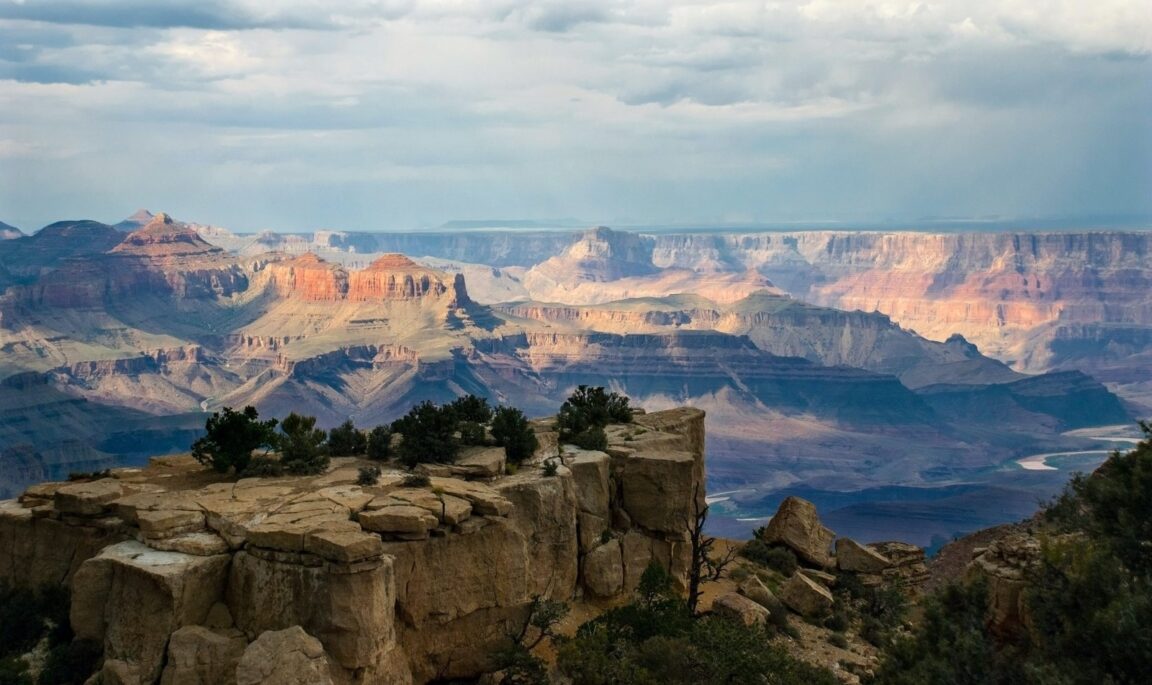
The surcharge applies at exactly 11 of the most visited parks in the system: Acadia in Maine, Bryce Canyon and Zion in Utah, Everglades in Florida, Glacier in Montana, Grand Canyon in Arizona, Grand Teton and Yellowstone in Wyoming, Rocky Mountain in Colorado, Sequoia and Kings Canyon in California, and Yosemite in California. Every other National Park Service site charges nonresidents the same entrance fee as residents. A road trip that sticks to parks outside the list, such as Arches, Canyonlands, Olympic or Great Smoky Mountains, avoids the surcharge entirely, although standard entrance fees still apply where they are charged.
The fee is per person, not per vehicle, and that distinction matters at the entrance station. At most of the 11 parks the standard entrance fee is charged per private vehicle, so a carload pays one vehicle fee and then $100 for each nonresident aged 16 and older inside it. Two adults visiting one listed park for a week can therefore pay the vehicle fee plus $200 in surcharges for a single park, before any other costs.
How does the $250 nonresident pass work?
The America the Beautiful Non-Resident Annual Pass costs $250 and is available from January 1, 2026. It covers standard entrance fees at National Park Service sites and other federal recreation lands, and it waives the $100 nonresident fee for the people it covers. In a private vehicle, the pass covers the pass holder and everyone travelling in that vehicle at per vehicle fee sites. Where fees are charged per person, including on commercial tours, one pass covers the holder plus three additional nonresident adults aged 16 and older.
The pass is issued to one named person, is not transferable, and the holder must be present and show identification for it to be valid. Acceptable identification for residency based passes includes a United States passport, a state or territory issued driver licence or state ID, or a permanent resident card. Anyone may buy the nonresident pass, including residents who prefer it for a travelling companion, but a resident cannot lend a pass to a nonresident travelling separately.
When does the pass pay for itself?
The maths is simple because the surcharge is per person and per park. One nonresident adult visiting one listed park pays $100, so the $250 pass only wins after several parks or several people. Two adults entering two listed parks without a pass pay $400 in surcharges alone, plus vehicle fees, so the pass is already ahead and also removes their entrance fees for a full year. A solo traveller visiting three listed parks pays $300 in surcharges without the pass, which also makes the pass the cheaper option. A solo traveller visiting a single listed park for one trip should simply pay the surcharge.
Who is exempt from the nonresident fee?
Children aged 15 and younger are the clearest exemption: the Park Service confirms they are charged neither entrance fees nor the nonresident fee, including on commercial tours. United States residents of any nationality are also outside the charge, because the test is residency rather than citizenship, and residency is proven with the identification listed above. Holders of the $250 nonresident pass are exempt from the per person fee at the parks they enter under the pass. There is no general exemption for students, seniors from overseas, or military visitors from other countries in the published guidance, so travellers in those groups should budget for the fee or the pass.
How do commercial tours handle the fee?
Tour groups do not escape the charge. The Park Service states that nonresident fees apply to any nonresident entering one of the 11 parks, including as part of a commercial tour group, and that tour companies are expected to know in advance how many nonresidents and pass holders are in each group. Since June 2026, operators can prepay commercial entrance and nonresident fees through a Commercial Site Pass bought on Recreation.gov, and can also buy digital nonresident annual passes for clients through the same system. If you book a guided trip, ask the operator directly whether the $100 per park is included in the tour price or added later, because both models exist and the difference is significant on multi park itineraries. Our guide to which parks still require reservations in 2026 explains the separate timed entry systems that continue alongside the new fee.
What about passes bought before 2026?
Annual passes bought before the change keep working on their original terms. A pass purchased before January 1, 2026 is honoured for 12 months from its purchase date, so a nonresident who bought an $80 pass in late 2025 is not asked to top it up mid validity. Once that pass expires, renewal happens at the new prices: $80 with proof of United States residency, $250 without it.
How should nonresident visitors plan around the fee?
Start by listing which of your target parks sit inside the 11. A classic Utah and Arizona loop that takes in Zion, Bryce Canyon and the Grand Canyon puts three surcharge parks in one trip, which is exactly the pattern that makes the $250 pass worthwhile for couples and groups. A trip built around a single park, or around parks outside the list, is usually cheaper paying at the gate. Keep identification with you at entrance stations, keep the pass holder in the vehicle when you enter, and remember that fee free days no longer help nonresidents, since from 2026 those days waive fees for residents only. Travellers combining a parks trip with other United States entry planning can also read our explainer on the ESTA fee rising to $40, and anyone comparing visitor fees worldwide may find the Galapagos entry fee explainer a useful parallel.
Frequently Asked Questions
Do nonresidents pay the $100 fee at every national park?
No. The fee applies only at the 11 listed parks. At all other National Park Service sites, nonresidents pay the standard entrance fee, the same as residents.
Is the $100 charged per vehicle or per person?
Per person. Each nonresident aged 16 and older pays $100 at each listed park, on top of the standard entrance fee, unless covered by the $250 nonresident annual pass.
Can two people share one $250 nonresident pass?
Not as separate travellers. The pass belongs to one named holder who must be present. It covers everyone in the same private vehicle, or the holder plus three additional adults where per person fees apply, so companions are covered only while travelling with the holder.
Do children pay the nonresident fee?
No. Children aged 15 and younger pay neither entrance fees nor the nonresident fee, including when travelling with a commercial tour group.
Are fee free days free for nonresidents?
No. From 2026, fee free days apply to United States residents only. Nonresidents pay the normal entrance fee and the $100 fee on those days.
Where is the official information?
The National Park Service publishes the rules on its nonresident fees pages at nps.gov, and passes and prepaid tour fees are sold through Recreation.gov. Check those sources before you travel, because fee policy can change.