 Hana Kim
Entering the Bahamas by private boat is a two part process, and only the first part happens online. Every foreign pleasure vessel must file an inbound declaration and pay for a temporary cruising permit through Click2Clear, the Bahamas Customs online system, ideally before leaving the dock at home, and the captain must still clear the vessel in person with Customs and Immigration at the first Bahamian port of entry, which for most crews bound for the capital is Nassau. The fee structure changed on 1 April 2026: a 30 day cruising permit now costs 150 dollars for boats up to 30 feet, 250 dollars for 31 to 50 feet, 350 dollars for 51 to 100 feet and 600 dollars over 100 feet, with six month and twelve month permits and a two year Frequent Digital Cruising Card above that. Fishing permits, anchorage fees and a passenger tax sit on top. This guide walks through the Click2Clear filing, the Nassau clearance, the current fees and the rules that apply from the moment you cross into Bahamian waters.
Quick Facts
- System: Click2Clear, the Bahamas Customs online portal; use the Cruising Permit button and the Pleasure Vessel module
- Filing: Submit the inbound declaration and pay before arrival where possible; clearance is still completed in person at a port of entry
- 30 day cruising permit: 150 dollars up to 30 feet, 250 dollars for 31 to 50 feet, 350 dollars for 51 to 100 feet, 600 dollars over 100 feet
- Longer permits: Six months 300 dollars up to 50 feet, 750 dollars for 51 to 100 feet, 2,000 dollars over 100 feet; twelve months 500 dollars up to 50 feet, 1,000 dollars for 51 to 100 feet, 3,000 dollars over 100 feet
- Frequent Digital Cruising Card: Unlimited entries for two years, from 1,500 dollars for vessels under 50 feet
- On top: Fishing permit 100 dollars up to 50 feet or 300 dollars above; anchorage fee for boats not in a marina; passenger tax of 30 dollars per person beyond the first three passengers aged six or older
- AIS rule: Foreign pleasure vessels over 50 feet must keep AIS active at all times in Bahamian waters; the published fine for non compliance is 1,000 dollars
- Fees checked: 15 November 2026, against Bahamas Customs guidance and the Association of Bahamas Marinas fee comparison
What does Click2Clear actually do?
Click2Clear is the Bahamas Customs electronic clearance system, and its Cruising Permit Module is where pleasure vessels are declared and paid for. Bahamas Customs directs skippers to the Cruising Permit button on its website, then to the Pleasure Vessel option. No account registration is needed for a standard permit; registration only enters the picture for the two year Frequent Digital Cruising Card. Inside the module you work through tabs covering the vessel, its maritime health declaration, crew and passenger details, stores on board and supporting documents, and you receive a rotation number, the reference that begins PCR, which follows your application through payment and approval.
Two features of the system shape how you should use it. First, the permit cannot be approved until payment clears, so a declaration filed the night before departure but left unpaid is not a completed filing. Second, once you have paid, the application can no longer be edited, which makes accuracy on vessel dimensions, registration numbers and crew lists worth a slow second check before you submit. Pay particular attention to the length you declare: the fee bands turn on length overall, and declaring the wrong band is the most common self inflicted problem in the system.
Filing online does not clear you into the Bahamas. It prepares and pays for the permit. Legal entry still happens face to face, when a Customs officer stamps and signs your printed permit at a designated port of entry and Immigration clears everyone on board. Nassau, on New Providence, is a full port of entry with Customs and Immigration, which is why so many Florida departures aim either for Nassau directly or for a nearer clearing point such as Bimini or West End before cruising on. For a wider sense of how digital entry systems differ by country, compare the process here with the Nigeria eVisa application process and the Botswana visa free and eVisa entry rules, where approval itself, not just payment, is the document you travel on.
How do you clear in at Nassau, step by step?
Start before you cast off. Complete the Click2Clear inbound declaration at home, pay the cruising permit and any fishing permit, and print the paperwork. Carry the vessel registration or documentation, passports for everyone on board, and the printed permit with its rotation number somewhere the captain can reach it without unpacking the boat.
On arrival, proceed to the port of entry and report to Bahamas Customs first for vessel clearance, then to Immigration for the people. Until the vessel has been cleared by both, only the captain may go ashore; crew and guests stay on board. This is the rule crews most often break in the first hour, usually by sending someone to find coffee or a dock office, and it is the one officials enforce most consistently. Once clearance is complete you receive your temporary cruising permit, which is the document that authorises the vessel to cruise from island to island inside the Bahamas. Keep it on board for the whole trip; you will show it at marinas and to patrol vessels, and you will need it again on departure.
Departure is a clearance too, not a formality. Before leaving the Bahamas, pleasure vessels clear outward, on the outward entry form, and receive a certificate of clearance. File a fresh inbound declaration on every return visit as well, including Frequent Digital Cruising Card holders: the card covers the permit fee for two years, not the obligation to declare each entry.
What does it cost in 2026?
The current structure dates from 1 April 2026, when the Bahamas revised the increases it had introduced in July 2025. For a 30 day permit, the bands are 150 dollars for vessels not exceeding 30 feet, 250 dollars for 31 to 50 feet, 350 dollars for 51 to 100 feet and 600 dollars over 100 feet. Six month permits run 300 dollars up to 50 feet, 750 dollars for 51 to 100 feet and 2,000 dollars over 100 feet. Twelve month permits run 500 dollars up to 50 feet, 1,000 dollars for 51 to 100 feet and 3,000 dollars over 100 feet. Re entry rights are tiered by permit type, with the twelve month permit including two re entries.
The Frequent Digital Cruising Card is the heavy user option: unlimited visits for two years, priced from 1,500 dollars for vessels under 50 feet and rising by size to 8,000 dollars over 100 feet. It suits boats based in Florida that cross several times a year; for a single annual trip the twelve month permit is usually the better arithmetic. Either way, the card and the permit cover the vessel only. Everyone on board still needs their own right to enter: passports for all, and a Bahamas visitor visa in advance for the nationalities that require one, which is a separate check on the Bahamas immigration pages and not part of Click2Clear.
Then come the extras, which are where budgets drift. Fishing permits are no longer bundled into the cruising permit: budget 100 dollars for boats up to 50 feet and 300 dollars above that, with the permit running 30 days and renewable online. Boats that anchor out rather than use a marina pay an anchorage fee, published at 50 dollars for boats up to 30 feet, 100 dollars for 31 to 100 feet and 200 dollars over 100 feet for the 30 day period. The cruising permit covers the departure tax for the first three people; each additional non resident passenger aged six or older adds a 30 dollar passenger tax. None of these amounts is large alone, but together they can add a third to the headline permit price on a crewed boat that fishes and anchors.
Which rules apply while you are in Bahamian waters?
Since 1 July 2025, foreign pleasure vessels over 50 feet must keep an Automatic Identification System active at all times while in Bahamian waters, and the Bahamas tourism authority publishes a 1,000 dollar fine for non compliance. If your boat is in that size range and your AIS is intermittent, fix it before the trip rather than explaining it at the dock. Charter vessels and Bahamian registered vessels do not use the cruising permit system at all; they are entered as commercial vessels, so a boat you are picking up from a charter base in Nassau follows a different clearance path handled by the operator.
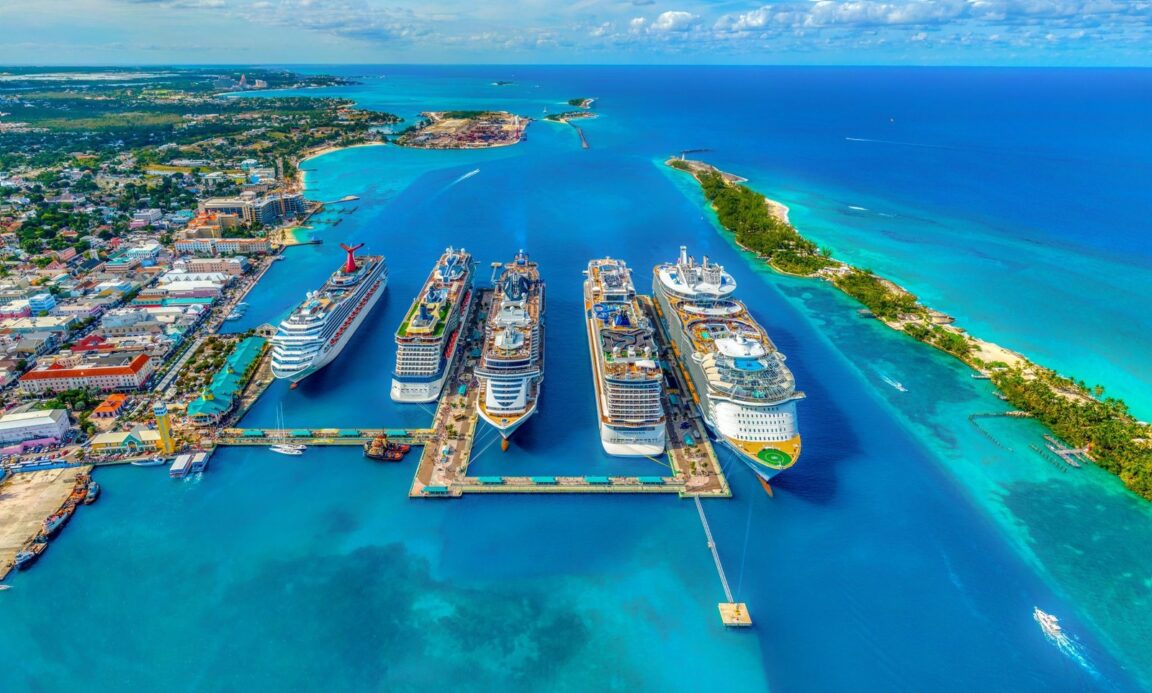
Practical seamanship still matters alongside the paperwork. Nassau harbour is a working cruise and cargo port, and arriving yachts share the entrance with commercial traffic, so monitor the port channels, follow harbour control instructions, and plan your arrival for daylight if it is your first entry. Clearance office hours vary by port and season, and arriving late in the day can mean waiting aboard until offices open, with only the captain permitted ashore in the meantime. Build that possibility into your first day plan rather than treating clearance as a ten minute errand.
Frequently asked questions
Do I have to file Click2Clear before I arrive?
Bahamas Customs expects the declaration and permit payment to be handled through the Click2Clear Cruising Permit Module, and filing before departure is strongly advised because the permit cannot be approved until payment clears. You still complete entry in person at a port of entry such as Nassau, where an officer stamps and signs the printed permit.
How much is a cruising permit for a 40 foot boat?
Under the fee structure in force since 1 April 2026, a 31 to 50 foot vessel pays 250 dollars for 30 days, 300 dollars for six months or 500 dollars for twelve months. Add a 100 dollar fishing permit if you plan to fish, plus any anchorage fee and passenger tax that applies to your crew.
Can anyone go ashore while we clear in?
No. Until Bahamas Customs and Immigration have cleared the vessel, only the captain may disembark. Crew and guests remain on board, and the captain reports directly to Customs for vessel clearance and then to Immigration for everyone aboard.
What is the Frequent Digital Cruising Card?
It is a two year product allowing unlimited entries, priced from 1,500 dollars for vessels under 50 feet. It replaces repeated cruising permit purchases for frequent visitors, but it does not replace the inbound declaration: card holders file and clear in on every visit like everyone else.
Do passengers need visas as well as the boat permit?
The cruising permit covers the vessel, not the people. Everyone aboard needs a valid passport, and nationals of countries on the Bahamas visa required list need a visitor visa arranged in advance through Bahamas immigration channels. Check each crew member’s nationality separately before departure.
What happens if our boat is over 50 feet and the AIS fails?
Foreign pleasure vessels over 50 feet are required to keep AIS transmitting at all times in Bahamian waters, with a published fine of 1,000 dollars for non compliance. Repair or replace a faulty unit before entering rather than relying on explaining a failure at clearance.
Last updated 15 November 2026. Fees and procedures are set by Bahamas Customs and change by regulation; confirm the current amounts in the Click2Clear module and on bahamascustoms.gov.bs before you pay.