 James Wolfe
In winter, Cuyahoga Valley National Park belongs to the train, the falls and the towpath, in that order: ride the Cuyahoga Valley Scenic Railroad through the snow covered valley while the crowds are gone, walk the boardwalk to a part frozen Brandywine Falls, and finish on the flat Ohio and Erie Canal Towpath Trail, where cyclists in summer give way to walkers, cross country skiers and snowshoers. The park, about 33,000 acres between Cleveland and Akron, charges no entrance fee, stays open around the clock, and is at its quietest exactly when its waterfall ice, Ledges icicles and Kendall Hills sledding are at their best. This guide sequences the winter version properly, railroad first, because the train timetable, not the trail map, is what a winter day has to be built around.
Quick Facts
- Entrance fee: None. Cuyahoga Valley is a fee free national park and no reservation is required for entry, per the National Park Service.
- Park size: About 33,000 acres along roughly 22 miles of the Cuyahoga River between Cleveland and Akron, Ohio, with more than 125 miles of trails.
- Hours: The park is open 24 hours a day, year round; Brandywine Falls, the Ledges, Octagon, Kendall Lake and Kendall Hills areas close at sunset.
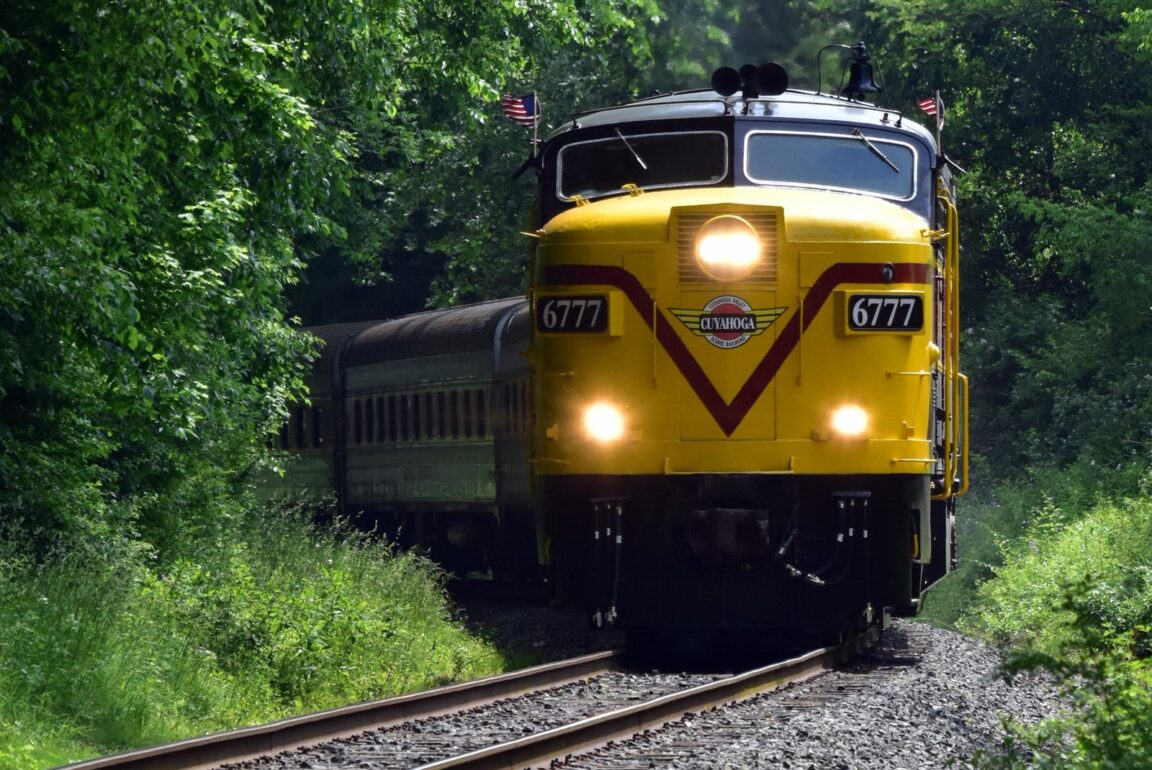
- The railroad: The Cuyahoga Valley Scenic Railroad runs the length of the park between Rockside Station in the north and Akron Northside in the south, through Peninsula and Boston; schedules shrink in winter and themed excursions, including the holiday North Pole trains, anchor the season.
- The waterfall: Brandywine Falls, about 60 feet over Berea sandstone and shale, reached by boardwalk; the Brandywine Gorge loop is about 1.5 miles. In sustained cold the falls build dramatic ice.
- The towpath: About 20 miles of the Ohio and Erie Canal Towpath Trail run through the park, flat crushed limestone following the historic canal, with the full canalway route continuing far beyond the park boundaries.
- Winter sports: Cross country skiing and snowshoeing on park trails when snow allows, sledding at Kendall Hills, and downhill skiing at Boston Mills and Brandywine, the ski areas inside the park boundary.
- Start point: Boston Mill Visitor Center, 6947 Riverview Road, Peninsula, the park main visitor center and the natural base for a winter day.
Why does the railroad come first in winter?
Because in winter the train is both the warmest seat in the park and the scarcest resource. The Cuyahoga Valley Scenic Railroad is a working heritage railroad that runs through the national park, not around it, following the Cuyahoga River between Rockside, Peninsula, Boston and Akron Northside stations. In the main season trains are frequent enough to build a day around casually, including the famous arrangement where cyclists ride the towpath one way and flag the train back with their bikes. In winter the timetable contracts, excursion trains and themed rides, murder mystery evenings, ales trains and, in the holiday season, the North Pole trains in pyjamas, take over, and the right move is to book the train first and plan the trails around its departure.
The winter ride itself is the argument. The valley in snow, river ice at the edges, bare hardwoods, herons and the occasional bald eagle along the Cuyahoga, passes at rail speed while you sit in a heated car, and the roughly two hour round trips give you the whole geography of the park in one sitting: canal locks, the towpath you will walk later, the Boston and Peninsula villages, and the gaps in the trees where the trails hide. Start at Boston Mill Visitor Center, a short walk from Boston station, pick up the current park map and the winter conditions picture from the rangers, then ride. Check the railroad own site for the current winter schedule and fares before you set a date, because excursion pricing and days of operation vary through the season and the holiday trains sell out well ahead.
How should you do Brandywine Falls in the cold?
After the train, while the light is still good. Brandywine Falls is the park signature sight, Brandywine Creek dropping about 60 feet over layered Berea sandstone and Bedford shale into a gorge, reached by a boardwalk and viewing platforms from the Brandywine Falls trailhead off Brandywine Road. The full Brandywine Gorge loop runs about 1.5 miles; the boardwalk section alone is short and is the winter choice when the loop tread is icy. The falls area closes at sunset, which in an Ohio winter means the afternoon slot is a hard deadline, not a suggestion.
Cold transforms this waterfall rather than diminishing it. In sustained freezing weather the falls build ice columns and curtains at their edges while water still runs behind, and the gorge becomes the most photographed winter scene in the park. The same cold makes the boardwalk and steps slick, and park trails are generally not cleared of snow or treated for ice, so wear traction, footwear with real grip or microspikes on a hard freeze, and check the park alerts page before you go, because individual trails close temporarily in icy conditions. Blue Hen Falls, reached from the Boston area on the Buckeye Trail, about 3 miles round trip from Boston Mill, is the smaller, quieter second waterfall for walkers with time and traction.
What does the towpath become in winter?
The park all weather spine. The Ohio and Erie Canal Towpath Trail follows the route of the 19th century canal that once linked Lake Erie with the Ohio River, about 20 miles of it inside the park, flat, wide and surfaced in crushed limestone, running past locks, the Canal Exploration Center at Lock 38 in the north and the village of Peninsula at Lock 29. In summer this is cycling territory. In winter, with the bikes gone, it becomes a walking, skiing and snowshoeing corridor where the flat grade that served canal mules now serves anyone nervous about icy hillside trails.
The classic winter towpath day is a one way walk stitched to the railroad: walk the towpath from Peninsula to Boston, or Boston to Brecksville, then ride the train back, checking that the winter timetable actually offers the return working before you commit. Snowshoers can use most park trails, with the Ledges and Brandywine Falls trail systems the named exceptions in park guidance, and cross country skiers take to the trails around Kendall Lake and the other designated winter routes when snow depth allows, with the Winter Sports Center at Kendall Lake the seasonal hub. Sledding at Kendall Hills, where lake effect snow off Lake Erie piles up, is the family anchor: bring your own sled, and expect the hills to close at sunset like the rest of the Kendall area.
Walkers heading on to other Ohio parkland can pair this trip with our guide to Perrys Victory Memorial at Put in Bay, the state other great NPS day out, and anyone building a winter national park circuit will find the same cold weather logic at work in our Fordyce Bathhouse guide to Hot Springs.
What else earns its place on a winter day?
The Ledges, for the ice. The Ledges Trail, about 2.2 miles around a sandstone plateau in the Virginia Kendall area, threads between mossy rock walls that grow long icicle curtains in a freeze, one of the great free winter spectacles in Ohio. It is also a trail to respect in winter: shaded, damp and slippery, and within the area that closes at sunset. Beaver Marsh, north of Ira Road, is the wildlife stop, a boardwalk over a restored wetland, once a salvage yard and now home to beavers, herons and wintering birds, at its most atmospheric under a thin sheet of ice at dawn. Hale Farm and Village and the Everett Covered Bridge round out the human history that makes this park different: a canal era valley that was lived in and farmed, not a wilderness, which is precisely why the railroad and the towpath run through its heart.
End the day with the practical truth that makes Cuyahoga Valley the easiest winter national park trip in the Midwest. There is no entrance fee, no timed entry, no gate queue and no camping inside the park to complicate the plan; you sleep in Peninsula, Akron or Cleveland, eat in a town, and the park itself costs you nothing but the train ticket and the parking time. In the season when other parks demand chains, permits and luck, this one asks only that you dress for an Ohio winter, check the alerts, and be off the falls boardwalk by sunset.
Frequently Asked Questions
Is Cuyahoga Valley National Park worth visiting in winter?
Yes. Winter is the quietest season: the Scenic Railroad runs excursions through the snow covered valley, Brandywine Falls builds ice in sustained cold, the Ledges grow icicles, and Kendall Hills opens for sledding, all with a fraction of the summer crowds and no entrance fee at any time of year.
Does the Cuyahoga Valley Scenic Railroad run in winter?
Yes, on a reduced and excursion based schedule, including themed rides and the holiday North Pole trains, which sell out ahead. The railroad runs between Rockside and Akron Northside through the park; check the railroad own site for current winter dates, departure stations and fares before planning a day around it.
How much does it cost to enter Cuyahoga Valley National Park?
Nothing. It is a fee free park with no entrance pass and no entry reservation, open 24 hours a day. Note that some areas, including Brandywine Falls, the Ledges and Kendall Hills, close at sunset, and the Scenic Railroad and other concessions charge their own fares.
Can you cycle the Towpath Trail in winter?
The Towpath Trail, about 20 miles of flat crushed limestone through the park, stays open and is used by walkers, cross country skiers and snowshoers in winter; cycling is possible in mild spells but snow and ice make it a walking season for most visitors. Trails are not cleared or treated, so bring traction footwear.
How tall is Brandywine Falls and how do you reach it?
About 60 feet, over Berea sandstone and shale. It is reached by boardwalk and platforms from the Brandywine Falls trailhead, with the fuller Brandywine Gorge loop at about 1.5 miles. The area closes at sunset, and in winter the falls partly freeze, which is the main reason to go.
Where should you start a winter visit?
Boston Mill Visitor Center, 6947 Riverview Road in Peninsula, the park main visitor center, close to Boston station on the railroad and to the towpath. Get the current map, winter trail conditions and alerts there before heading to the falls or the Ledges.