 River Callahan
Most visitors from the United States, Canada, the United Kingdom, the European Union, Australia and Japan do not need a visa in advance for Honduras. They enter visa free for up to 90 days, and there is no online application, no eVisa fee and no approval to wait for. The catch that shapes every first trip is the CA-4 rule: those 90 days are shared across Honduras, Guatemala, El Salvador and Nicaragua combined, and the clock starts at your first entry into any of the four countries. This explainer sets out who is covered, what to show at the border, how Roatan and Copan trips fit the same rules, and the checks to run before you book, with rules checked on 15 November 2026.
Quick Facts
- Visa in advance: Not required for US, Canadian, UK, EU, Australian, New Zealand and Japanese passport holders, and for most Latin American nationalities, for tourist stays
- Length of stay: Up to 90 days, shared across the whole CA-4 area of Honduras, Guatemala, El Salvador and Nicaragua
- Cost: No visa fee for visa free entry; there is no official Honduras tourist eVisa to buy
- Passport validity: Carry a passport with at least six months validity beyond your trip; Honduran rules require at least three months from arrival, and airlines commonly enforce six
- Extension: A further 30 days may be requested from the Instituto Nacional de Migracion inside Honduras before your stay expires
- Key authority: Instituto Nacional de Migracion (INM), Honduras; confirm your nationality on the US State Department Honduras page or with a Honduran consulate before booking
Who enters Honduras visa free, and who needs a visa first?
Honduras sorts visitors by nationality. A long visa exempt list, covering the United States, Canada, the United Kingdom, all European Union member states, Australia, New Zealand, Japan, South Korea, Mexico and most of Latin America, enters without a visa for up to 90 days. Travellers whose nationality is not on that list need a visa from a Honduran consulate before they travel. There is a useful middle rule: many travellers who would normally need a visa can still enter visa free for up to 90 days if they hold a valid visa issued by the United States, Canada or a Schengen member state, though some nationalities are excluded from that concession, so it must be checked passport by passport.
One recent change matters for British travellers. The United Kingdom was removed from the visa exempt list in August 2024 and then restored, with visa free entry resuming on 31 October 2026 according to current reporting checked against the Honduran official gazette. If you hold a UK passport and read an older page saying a consular visa is required, that page is out of date, but because the change is so recent, confirm it on GOV.UK and with your airline in the week you fly. Rules at this border have moved twice in two years, and the airline check in desk is where an outdated understanding fails first.
What is the CA-4, and why does it control your whole trip?
The Central America-4 Border Control Agreement links Honduras with Guatemala, El Salvador and Nicaragua. For a visitor it does two things. First, a visa or visa free permission granted by one member is honoured by the others, so you cross between the four countries without a fresh visa application. Second, and far more important for planning, the time limit applies to the four countries as a single area. Ninety days means 90 days in total across all four, counted from your first entry, and hopping from Honduras into Guatemala and back does not restart anything.
That single rule rewrites the classic Central America loop. A traveller who spends five weeks in Guatemala, three in El Salvador and two in Nicaragua arrives in Honduras with only the remainder of the original 90 days, however fresh the Honduran stamp looks. Count from the date of your first CA-4 entry, write that date down, and plan your exit from the region, to Costa Rica, Mexico, Belize or a flight home, before it passes. Overstaying brings fines and problems at exit, and it can complicate future entry to all four countries, not just the one where the overstay happened.
What do you need to show on arrival in Honduras?
For a visa free arrival there is no form to complete in advance and no fee to pay for the permission itself. Bring a passport that satisfies the validity rule, and be ready to show a return or onward ticket and the address of your first stay if the officer asks. Keep your entry stamp: you need evidence of lawful entry when you leave, and travellers have been fined at exit when no stamp could be found in the passport. If you enter by land from another CA-4 country, check that the movement is recorded, because your remaining days depend on that first entry date being provable.
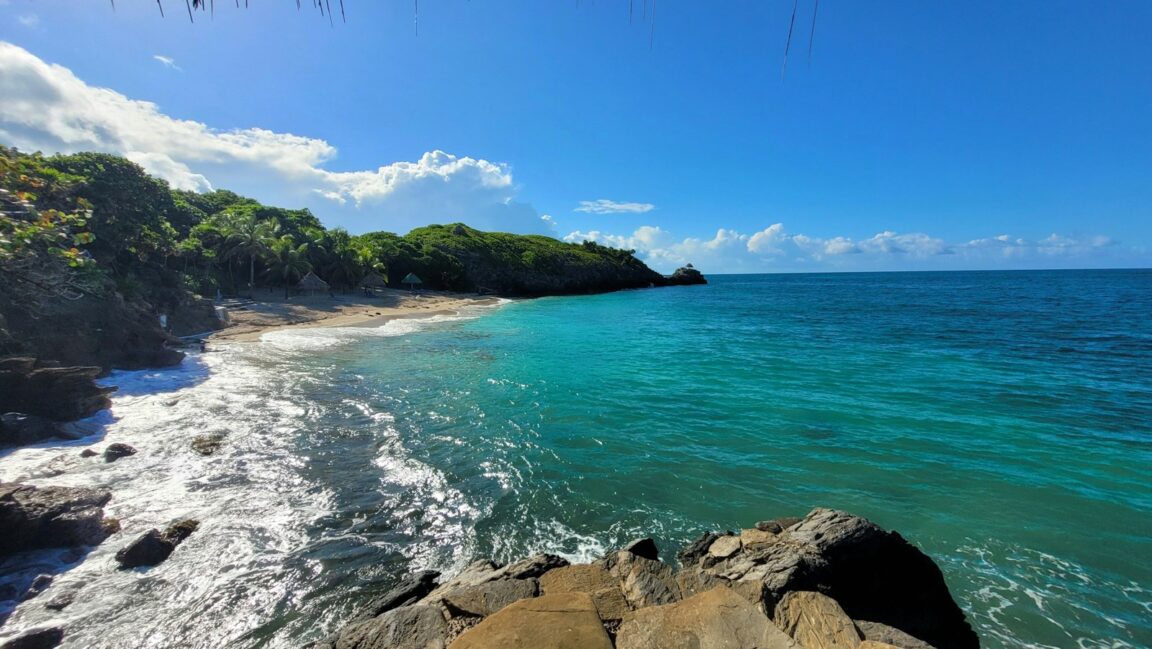
Roatan, the island focus of many first trips, follows exactly the same national rules. Flying into Roatan from the United States is an international arrival in Honduras, so the visa free permission and the CA-4 clock start there. Flying into San Pedro Sula or Tegucigalpa and continuing to Roatan on a domestic flight changes nothing about your status: you were admitted once, at the international arrival, and the island leg is internal. Copan Ruinas, near the Guatemalan border, is the mirror case. It is a natural stop on a CA-4 loop, which is precisely why the shared clock matters: days spent in Guatemala before crossing to Copan have already been spent.
How do you stay longer than 90 days?
The standard visa free stay may be extended by a further 30 days on application to the Instituto Nacional de Migracion inside Honduras, and the application must be made before the original permission expires. Treat that as a formal process with paperwork and a fee set by the office, not as an automatic extra month, and do not build an itinerary that only works if the extension is granted. Anyone planning to work, study or live in Honduras needs the relevant visa or residence route from the start: tourist entry, visa free or otherwise, never permits local employment.
Compare this no application system with the pre travel authorisations covered in our Ethiopia eVisa explainer and our Nigeria eVisa guide, and the Honduras advantage is clear: for exempt nationalities the work is all in the counting, not in an online portal. The discipline it demands instead is date discipline, keeping the first CA-4 entry date, the stamp and the onward booking aligned.
What are the common mistakes first time arrivals make?
The first is assuming 90 days per country and discovering at a land border that the regional clock is nearly finished. The second is arriving on a passport inside the validity window an airline enforces, which can end the trip at check in rather than at the Honduran border. The third is losing track of the entry stamp on a busy land crossing. The fourth is booking Roatan as though the Bay Islands sat outside Honduran immigration law: they do not, and a long stay on the island counts against the same 90 days as a long stay in Copan or Tegucigalpa. Each of these is avoidable with one habit: before you book, confirm your nationality, your passport expiry and your CA-4 day count on an official source, and do it again in the week of travel.
Frequently Asked Questions
Do US citizens need a visa for Honduras?
No. US passport holders enter Honduras visa free for up to 90 days for tourism. There is no application to file and no visa fee, but the 90 days are shared with Guatemala, El Salvador and Nicaragua under the CA-4 agreement.
Does time in Guatemala or Nicaragua reduce my time in Honduras?
Yes. The CA-4 treats the four member countries as one area for the stay limit. Your 90 days run from your first entry into any CA-4 country, and moving between them does not reset the count.
Do the same rules apply on Roatan?
Yes. Roatan is part of Honduras. An international flight into Roatan starts your Honduran permission and your CA-4 clock in the same way as an arrival in Tegucigalpa or San Pedro Sula.
Can I extend my stay in Honduras?
A further 30 days may be requested from the Instituto Nacional de Migracion inside Honduras before your current permission expires. Apply in good time and do not assume the extension will be granted.
How long must my passport be valid for Honduras?
Honduran rules require at least three months validity from arrival, while many airlines enforce six months beyond travel. Carry six months to be safe and check your expiry before booking.
Do British citizens need a visa for Honduras in 2026?
Current reporting, checked against the Honduran official gazette, says visa free entry for UK passport holders resumed on 31 October 2026 after a period when a consular visa was required. Because the change is recent, confirm it on GOV.UK and with your airline before you fly.
Last updated 15 November 2026. Entry rules change without much notice, so recheck your position with the Instituto Nacional de Migracion, the US State Department Honduras country page or your own government travel advice in the week before departure.