 Aiko Tanaka
Hiking Mount Etna works as a paced mountain day, not a summit dash: ride the Funivia dell’Etna cable car from Rifugio Sapienza at about 1,920 metres to the upper station at 2,500 metres, continue toward 3,000 metres only by 4×4 bus and on foot with certified volcano guides on the official Tour 3000, and treat any access beyond the ordinary safety limits as guided only, conditional on the volcanic alert level and the municipal ordinances in force that day. Walkers who build the day in that order, with an early start, proper layers for altitude and wind, and a recovery evening on the coast, get the best of Europe’s highest active volcano without gambling on rules that can change overnight.
Quick Facts for Hiking Mount Etna
- The mountain: Mount Etna, on Sicily’s east coast above Catania, is a UNESCO World Heritage Site, inscribed in 2013, and described by the Funivia dell’Etna as Europe’s highest active volcano, rising to about 3,403 metres, a figure that shifts with eruptions.
- The base: Etna South, at Rifugio Sapienza near Nicolosi, is the main visitor base, with the cable car station, the walkable Silvestri Craters at road level, parking, refuges and tour departures.
- The cable car: The Funivia dell’Etna is the volcano’s sole cable car. It ascends from about 1,920 metres to 2,500 metres. The official return fare is listed at 54 euros for adults.
- Tour 3000: The official continuation pairs the cable car with 4×4 buses and certified volcano guides to almost 3,000 metres, listed at 82 euros for adults. Prices were checked on 17 November 2026 and can change, so confirm on the official site before travelling.
- The guide rule: The summit zone, broadly the ground above about 2,500 metres including the upper Valle del Bove, is governed by municipal ordinances. Access beyond the ordinary safety limits is permitted only with licensed alpine or volcanological guides, in mountain clothing and a certified helmet, and can be suspended entirely when volcanic activity rises.
- The pacing rule: One altitude day, then a low day. Etna at 2,500 to 3,000 metres, combined with ash paths, wind and sun, costs more energy than the distances suggest.
How does an Etna hiking day fit together, from Catania to the craters?
Most Etna days start on the south side. The road from Catania and Nicolosi climbs through lava fields and pine forest to Rifugio Sapienza, the hub at about 1,900 metres where the Funivia dell’Etna station stands. Before any cable car, the Silvestri Craters beside the road give an easy first walk on volcanic ground, a circuit of rust red and black cones that asks for nothing more than walking shoes and an hour. They are the right warm up, and for travellers who decide against altitude, or whose day is stopped by wind or volcanic activity, they still deliver a genuine Etna walk at road level.
From there the day divides by ambition and by rule. The cable car alone carries walkers to 2,500 metres, where marked ground around the upper station can be explored in mountain clothing, with views across the Valle del Bove side of the mountain and down to the Ionian coast. The official Tour 3000 continues by sturdy 4×4 bus and then on foot with certified volcano guides to almost 3,000 metres, as high as the authorities allow on the day. Anything that could fairly be called a summit attempt belongs to licensed guided trekking, booked with authorised guides, and exists only when the ordinances and the volcano permit it. Planning the day in those three tiers, road level craters, cable car height, and guided high mountain, keeps expectations honest and the day enjoyable at whichever tier the mountain allows.
What are the cable car and guide rules, exactly?
Etna has no entrance ticket. What visitors pay for is transport and, at height, guidance. The Funivia dell’Etna lists the return cable car to 2,500 metres at 54 euros for adults, with reduced fares for children, and the Tour 3000, cable car plus 4×4 bus plus an alpine or volcanological guide, at 82 euros for adults. Both services are weather dependent. High wind, technical work and volcanic activity can suspend the cable car at short notice, and no itinerary should treat a departure as guaranteed until the morning of the visit.
The guide rules are legal rules, not tour company policy. Access to Etna’s summit zone is set by ordinances issued by the municipalities around the volcano, working with Civil Protection alert levels and monitoring by INGV, Italy’s volcano observatory. The summit zone is defined broadly as the summit crater area, the high Valle del Bove and ground above roughly 2,500 metres. Within the ordinary safety limits, visitors walk the authorised areas around the stations. Beyond those limits, access is allowed exclusively with licensed alpine or volcanological guides, wearing mountain clothing and a certified helmet. In periods of heightened activity, municipalities can and do suspend high altitude access altogether. The practical consequences are threefold. Book guided products through the official operator or authorised guides. Check the current ordinances and activity position before travelling, through the Etna Park and the operator. And never plan around a promise of standing on a summit crater rim, because no operator can lawfully guarantee it in advance.
How fit do you need to be, and how should the day be paced?
The cable car and Tour 3000 route suits most reasonably active travellers. The walking at height is on loose ash and lava gravel, in short guided sections, but it happens between 2,500 and about 3,000 metres, where the air is noticeably thinner, the wind is stronger and the sun reflects off pale ground. Walkers feel it in breathing on uphill sections and in tired legs by evening. A guided summit zone trek, where permitted, is a different undertaking: several hours on foot at altitude, a much earlier start, and a fitness standard closer to a full mountain day in the Alps or Rockies than to a sightseeing excursion.
Pace the Etna day as the week’s centrepiece rather than an add on. Start early from Catania, Taormina or a mountain town such as Nicolosi or Zafferana Etnea, because morning usually brings the clearest conditions and the calmest cable car operation. Eat a real breakfast, carry at least a litre and a half of water per person in summer conditions and a litre in cooler months, and plan nothing ambitious for the same evening beyond dinner. The following day belongs at sea level: a coast town, a winery on the lower slopes visited at a stroll, or the slower pleasures of Taormina, where a terrace at the Grand Hotel Timeo frames the volcano you have just climbed. Travellers island hopping onward will find the same volcanic story continues offshore in the Aeolian Islands, Etna’s smaller, sea girt relatives to the north.
What kit does hiking Etna actually require?
Dress for a mountain that happens to stand in Sicily, not for the Sicilian coast below it. Temperatures fall steadily with altitude, snow can linger around the summit into spring, and the upper mountain offers no shelter. The working kit is broken in walking boots or shoes with deep tread for ash and lava gravel, layered clothing topped by a windproof and waterproof shell, a warm mid layer, a warm hat and gloves outside high summer, sunglasses and high protection sunscreen, a daypack carrying water and snacks, and walking poles if knees prefer them on descents. Helmets for guided sections beyond the safety limits are part of the guided system, provided or required through the guide. Cotton jeans, smooth soled trainers and a beach bag are the three classic mistakes, and each one ends days early every season. Ash gets everywhere, so light coloured trousers and a bag that brushes clean age better on Etna than black technical gear.
When is the best time to hike Etna, and when should you walk away?
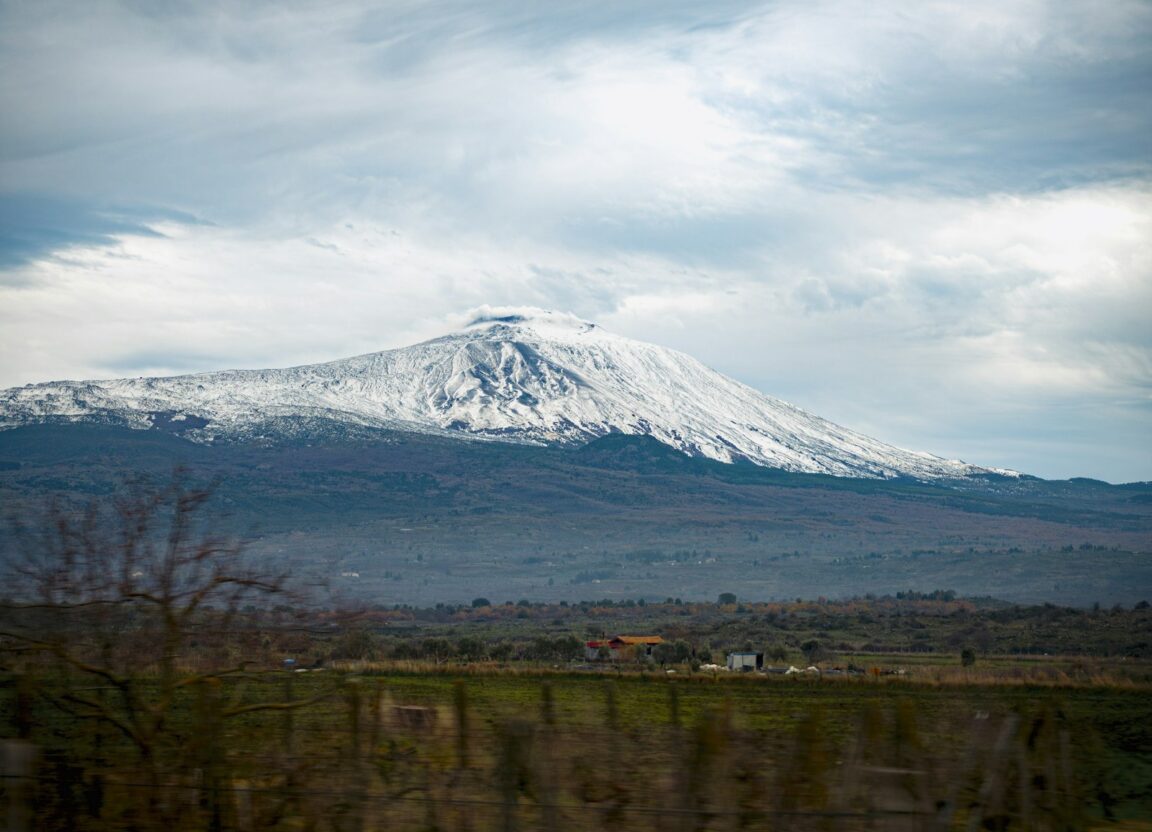
Etna is a year round mountain, and each season trades something. Late spring and autumn usually pair the clearest walking weather with manageable temperatures at height. Summer brings the most reliable cable car operation and the longest days, at the cost of heat on the approach and haze over the coast. Winter can be magnificent, with the snow capped cone over green foothills that makes Etna photographs famous, and it is also when wind and snow close high access most often. In every season the walk away rules are the same. Suspended cable car, closed summit zone, an alert level raised for new eruptive activity, or wind strong enough to make the upper station unpleasant are all complete answers. The mountain keeps its road level craters, its lower slope trails, its wine country and its views on those days, and a traveller who takes them has still had an Etna day. The summit will be there, under licence and ordinance, on a calmer one.
Frequently Asked Questions
Can you hike Mount Etna without a guide?
Partly. The Silvestri Craters at Rifugio Sapienza and the authorised ground around the cable car stations can be walked independently. Access beyond the ordinary safety limits in the summit zone, broadly above about 2,500 metres, is permitted only with licensed alpine or volcanological guides under the municipal ordinances, and can be suspended when activity rises.
How much does the Etna cable car cost?
The Funivia dell’Etna lists the return cable car between about 1,920 metres and 2,500 metres at 54 euros for adults, and the Tour 3000, which adds 4×4 transport and a certified volcano guide toward 3,000 metres, at 82 euros for adults. Prices were checked on 17 November 2026. Confirm the current fare on the official Funivia dell’Etna site before travelling.
How long does an Etna day take?
Allow a full day from Catania or Taormina. The drive to Rifugio Sapienza, the Silvestri Craters, the cable car and a guided high section, plus the return, fill six to nine hours comfortably. Rushing Etna into a half day usually means cutting the parts that make it worthwhile.
Is hiking Etna safe?
Etna is one of the most closely monitored volcanoes in the world, watched continuously by INGV, and visitor access is structured around that monitoring, with authorised routes, licensed guides at height and closures when activity demands them. Safety on the day means obeying the current ordinances, staying in authorised areas, dressing for altitude and accepting a closure as final.
What should you wear for hiking Etna?
Walking boots or shoes with deep tread, layers with a windproof shell, a warm mid layer, and, outside high summer, a warm hat and gloves. Add sunglasses, sunscreen, a daypack, water and snacks. At 2,500 metres and above, coastal clothes are not a plan, whatever the temperature in Catania.
Can children hike Etna?
Yes, at the lower tiers. The Silvestri Craters and the cable car ride suit families, and the operator designs its tours for families and seniors as well as walkers, with accessible 4×4 options. Guided high altitude sections are a judgement for parents and guides together, based on the child’s age, the weather and the access allowed that day.
Prices, rules and conditions checked 17 November 2026 against the Funivia dell’Etna official site and current municipal ordinance reporting. Featured image: snow capped Mount Etna above farmland, Sicily, Italy. Photo by Giuseppe Famiani on Unsplash, Unsplash License.