 Jonas Lindqvist
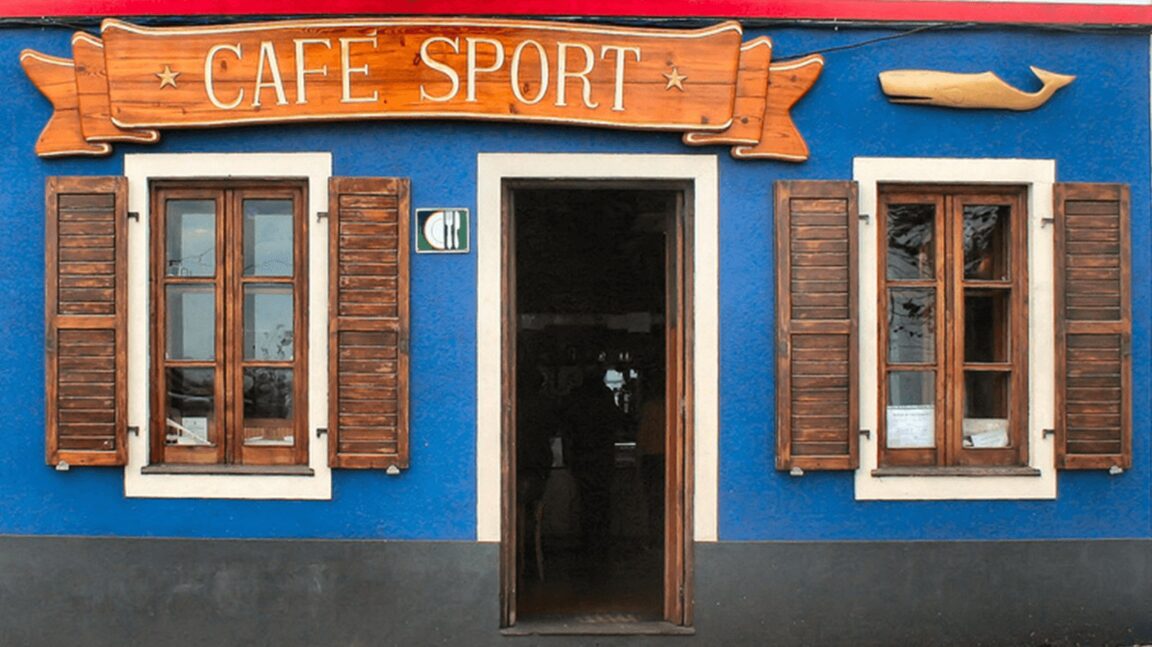
Eat in Horta the way the harbour eats: start with a gin and tonic at Peter Cafe Sport, the sailors bar open since 1918 on Rua Jose Azevedo, then build your meals around Faial dishes, molha de carne, octopus stewed in red wine, grilled limpets and the cream filled fofas pastries, and drink Pico wine, above all Verdelho, from the island you can see across the channel. One correction first, because it shapes expectations: there are no Michelin listed restaurants in Horta or anywhere in the Azores, as the Michelin Guide does not cover the archipelago. What Horta has instead is a small, walkable harbour town where locals, yacht crews and visitors eat in the same rooms, and where the best tables are booked by walking in early, not by chasing stars.
Quick Facts
- The institution: Peter Cafe Sport, Rua Jose Azevedo 9, Horta. Open since 1918. Listings checked in autumn 2026 give hours of 9am to midnight Monday to Saturday and 10am to midnight on Sunday; confirm on the day.
- The drink: Gin and tonic, the house drink since the days of the British submarine cable companies, and Gin do Mar, the cafe own gin and passion fruit liqueur blend created in 2000.
- Upstairs at Peters: A scrimshaw museum of engravings on sperm whale bone and teeth, among the most complete collections of its kind in Europe.
- Dishes to seek out: Molha de carne (slow stewed beef), polvo guisado (octopus in red wine), lapas grelhadas (grilled limpets with garlic butter), fresh tuna and swordfish, Faial cheese and Sao Jorge cheese, and fofas de Faial pastries.
- The wine: Pico whites, led by Verdelho and labels such as Frei Gigante and Terras de Lava, from the basalt walled vineyard landscape across the Faial Channel, classified by UNESCO.
- The market: Mercado Municipal, Rua Serpa Pinto. Listings checked in October 2026 give 6:30am to 7pm on weekdays and 6:30am to 1pm on Saturday, closed Sunday.
- Michelin: The Michelin Guide does not cover the Azores, so no Horta restaurant carries a star, a Bib Gourmand or a guide listing. Judge rooms by the harbour test instead: who is eating there, and how fresh the fish board looks.
- Geography of eating: Almost everything in this guide sits within a short walk of Horta Marina and Porto Pim bay.
What is the Peter Cafe Sport tradition, and how do you join it?
Peter Cafe Sport began in 1918, when the Azevedo family turned a harbour front business into the cafe that transatlantic sailors now treat as a fixed point of the ocean. The nickname Peter came later, borrowed, as the house tells it, from a British cable company officer whose son the founder resembled, and the name stuck to the cafe for good. Crews crossing the Atlantic have left flags, photographs and messages across its walls and ceiling for a century, and the cafe has long doubled as an informal post office where sailors collect mail addressed to them care of Peters.
The ritual for a first visit is simple. Order the gin and tonic, which the cafe has poured since the cable company staff made it the house drink, and which predates the modern gin revival by decades. Then ask about Gin do Mar, the blend of gin and Azorean passion fruit liqueur created in 2000 by Jose Henrique Azevedo, the third generation of the family, which is sold in 70 cl bottles and is the bottle most worth carrying home from Faial. Leave time for the scrimshaw museum upstairs, where generations of whalemen engraving on bone and tooth are preserved, and for the marina wall outside, where visiting crews traditionally paint a panel recording their boat and crossing, a harbour custom said to bring a safe onward voyage.
Peters also serves straightforward meals, fish soup, steaks, octopus and burgers among them, and it works perfectly well as a lunch stop. But its real role in a Horta food day is as the anchor: coffee or a gin here to start, a return at aperitif hour, and the harbour gossip that tells you where the fish came in and which kitchen is on form.
Where do locals actually eat in Horta?
Walk south from the marina to Porto Pim bay and you reach Genuino, the restaurant of Genuino Madruga, the Faial sailor who has twice sailed alone around the world. The dining room leans into that biography without turning into a theme park, and the kitchen is a harbour grill at heart: fish of the day, tuna, swordfish, octopus and risottos, with Pico wines poured by people who know the producers. It is the name Horta residents give visitors who ask for one proper sit down seafood dinner, and booking ahead in summer is sensible.
Back toward the harbour on Rua Nova, Canto da Doca does something entirely different: you cook your own food at the table on hot lava stones. Steak, chicken, swordfish, prawns and squid arrive raw with sauces, salads and sides, and the room fills with the sound and smell of a dozen small grills working at once. Listings give evening service only, roughly 6:30pm to 11pm, which makes it a dinner plan rather than a lunch option. It is convivial, hands on and very Horta, a port town comfortable with fire, stone and doing things yourself.
Around them, the pattern to follow is the petiscos pattern: small plates in small rooms between the marina and Praca da Republica. Order grilled limpets with garlic butter, a board of Sao Jorge cheese, the sharp, aged cheese from the neighbouring island, Faial own softer cheese, octopus salad, and whatever fish the board names that day. The harbour grills near the marina and the tasca style rooms a street or two back are where lunch actually happens for people who work on the water. If a room is full of yacht crews in foul weather gear and fishermen at the next table, you have chosen well.
What should you order, dish by dish?
Molha de carne is the Faial meat dish to find: beef stewed slowly in a richly seasoned sauce until it gives, served with bread or potatoes to carry the sauce. Polvo guisado, octopus stewed in red wine until tender, is the seafood counterpart and appears on menus across town. Lapas grelhadas, grilled limpets, arrive sizzling with garlic butter and lemon and are eaten straight from the shell with bread. Tuna from Azorean waters, seared and served rare, and swordfish steaks are the reliable grill orders in season.
For something sweet, look for fofas de Faial, the island signature pastry, a soft, fennel scented choux style bun filled with cream, sold in the town pastelarias and best eaten the day it is made. A bean pudding linked to the old Franciscan convent tradition is the other historic sweet to ask about. Cheese deserves its own course: start with Faial cheese, then Sao Jorge, aged and assertive, which travels from the island visible to the east on a clear day.
Breakfast and provisions belong to the Mercado Municipal on Rua Serpa Pinto, where the stalls cover island produce, cheese, fish and baked goods in the early morning. Go early, buy picnic supplies, and note the Saturday half day and Sunday closure before planning a market morning. Our San Sebastian pintxos guide uses the same graze and move method in a very different port city, and our Copenhagen food guide is a useful contrast: a capital where guide listings matter, against a harbour where they do not exist.
How does Pico wine pairing work here?
From almost every harbour table in Horta you look straight at Pico, the island whose black basalt vineyards produce the wine in your glass. Pico growers plant vines in small walled enclosures of lava stone, called currais, that shelter the plants from Atlantic wind and salt, a landscape UNESCO lists as a World Heritage site. The grape to learn is Verdelho, joined by Arinto dos Acores and Terrantez do Pico, and the names to recognise on a Horta list include Frei Gigante and Terras de Lava, with the Azores Wine Company bottlings the modern benchmark.
Pairing is refreshingly uncomplicated. A young, saline Pico white is the natural glass for limpets, octopus salad and grilled fish, because the same Atlantic weather made both. Richer dishes, the molha de carne and the lava stone steaks at Canto da Doca, take the fuller whites or a glass of vinho de cheiro, the traditional Azorean table red made from the Isabella grape that island families have poured for generations. Finish where you started, at Peters, with a Gin do Mar, and the day makes a neat circle: cable company gin at the start, island wine through the middle, and the cafe own liqueur blend at the end.
Frequently asked questions
Are there any Michelin starred restaurants in Horta?
No. The Michelin Guide does not cover the Azores at all, so Horta has no starred, Bib Gourmand or guide listed restaurants. The town strength is harbour cooking eaten by locals and sailors, not formal fine dining.
What is Peter Cafe Sport famous for?
For being the transatlantic sailors meeting place since 1918: a harbour cafe and bar famous for its gin and tonic, its Gin do Mar liqueur blend, its walls of yacht flags and messages, its role as an informal sailors post office, and its scrimshaw museum upstairs.
What is the one dish to try on Faial?
Molha de carne, beef stewed slowly in a seasoned sauce, is the island signature main course. For seafood, order polvo guisado, octopus in red wine, and start with grilled limpets.
What wine should you drink in Horta?
Pico white wine, above all Verdelho from the basalt walled vineyards across the channel. Frei Gigante and Terras de Lava are dependable names on Horta lists.
When is Horta market open?
The Mercado Municipal on Rua Serpa Pinto was listed in October 2026 as open 6:30am to 7pm on weekdays and 6:30am to 1pm on Saturday, closed on Sunday. Go early for the fullest stalls and recheck hours locally, as small town schedules change.
Do you need reservations in Horta?
Peters takes no reservations in practice and fills by arrival, so go early for a table at peak hours. For Genuino in summer, booking ahead is wise. Canto da Doca is an evening only room, so plan it as dinner.
Facts checked on 17 November 2026 against the official Peter Cafe Sport site and current Horta listings for hours and market times. Hours change often in small harbour towns; confirm on the day. Featured image: the facade of Peter Cafe Sport in Horta, from the cafe official website.