 Maya Chen
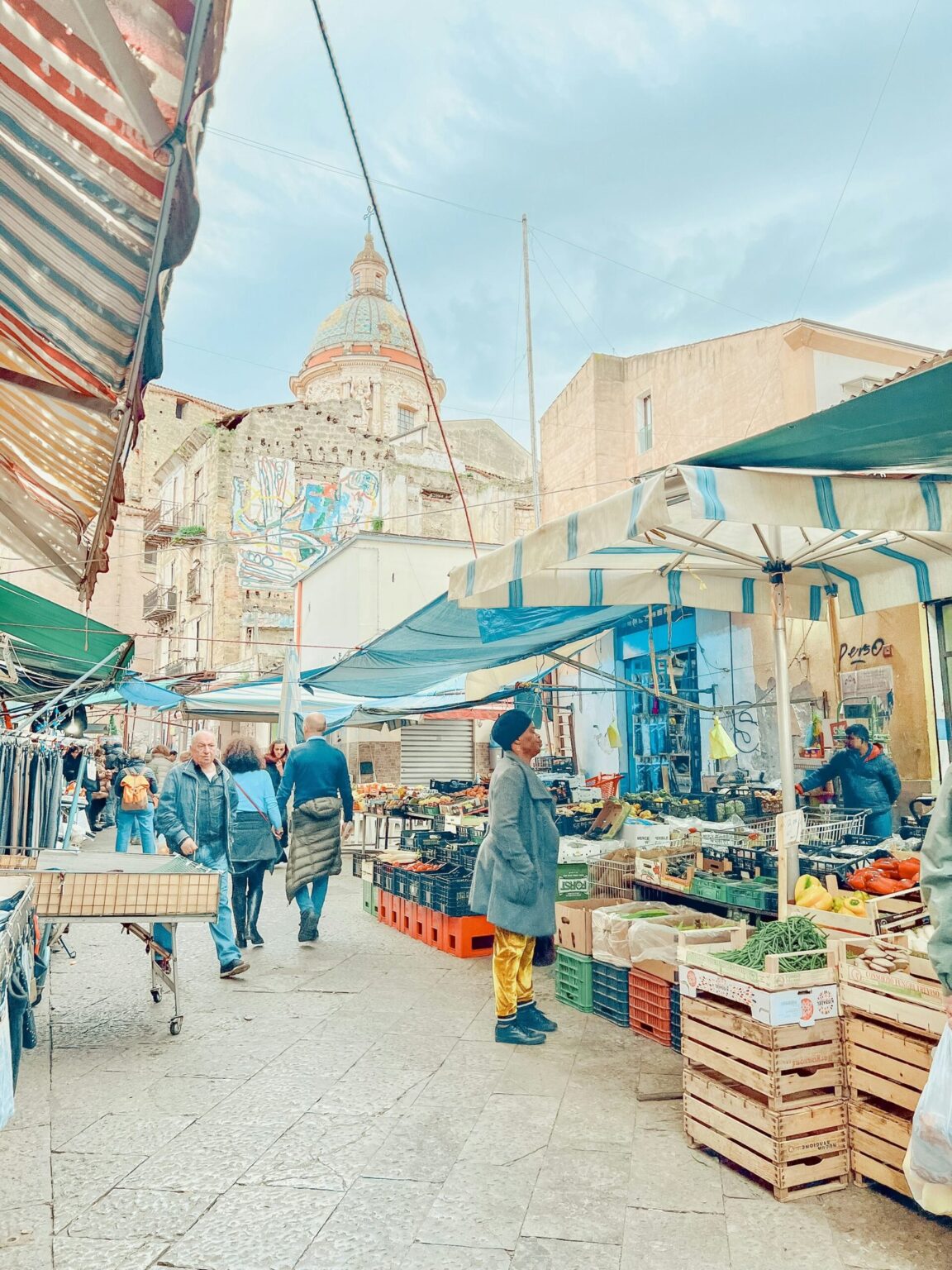
Palermo makes its strongest claim to being the original street food city in the lanes of Ballaro, its oldest and largest market, where the correct first morning runs in a set order: a pane e panelle sandwich from a fry stall, an arancina eaten hot and standing up, a slice of sfincione, and then, only for the committed, the spleen sandwich that outsiders talk about and Palermitans simply eat. Ballaro is a working food market in the Albergheria quarter, not a food festival staged for visitors, and it rewards anyone who arrives in the morning, carries small cash, and eats what the fryers are cooking rather than hunting a checklist of famous names.
Quick Facts
- Where: Mercato di Ballaro, Albergheria quarter, Palermo, Sicily, running from Piazza Casa Professa toward the bastions of Corso Tukory
- Official hours: Monday to Saturday 07:30 to 20:00, Sunday mostly mornings only, per the Comune di Palermo tourism portal. In practice the food stalls and fryers peak in the morning and the market winds down from mid afternoon
- Cost: Entry is free. Street food prices are indicative only and change by stall; recent market guides put arancine and panelle sandwiches in the low single euros each
- Order first: Pane e panelle with crocche, an arancina al ragu or al burro, and sfincione by the slice
- Grammar that matters: In Palermo the rice ball is feminine, arancina. In Catania and eastern Sicily it is masculine, arancino. Using the local word marks you as someone who did their homework
- Facts checked: 18 November 2026, against the Comune di Palermo hours as reported by current Palermo market guides linked in this article
Why is Ballaro the market to start with?
Palermo has four historic markets, and the Comune di Palermo tourism portal lists Ballaro, the Vucciria, the Capo and Borgo Vecchio among the most important. Ballaro is described on the city portal as the oldest and largest of them, a position the detailed Ballaro market guide also records, along with the market geography used in this article: Albergheria quarter, from Piazza Casa Professa to the bastions of Corso Tukory. The Capo, near the Cathedral, is the easiest second market and the Vucciria, once the great fish market, is now mostly an evening drinking quarter with a thinner daytime food trade. For street food specifically, Ballaro in the morning is the fullest expression of how Palermo eats.
The market is loud in a specific way. Vendors sing their prices in Palermitan dialect in the abbanniata, the shouted chant that carries down the lanes, and the stalls run in layers: produce pyramids of citrus, prickly pears and purple aubergines, fish on ice, butchers, cheese and olives, and threaded through all of it the friggitorie, the fry stalls where the street food canon is cooked to order. Go between about 8am and noon for the market at full strength. Saturday morning is the busiest of the week, when the quarter does its own shopping alongside the visitors.
What are the five things to eat, in order?
Pane e panelle, with crocche
Panelle are fritters of chickpea flour, water, salt and parsley, fried in wide pans and slipped into a soft sesame roll, usually with crocche, potato and mint croquettes, fried alongside. A squeeze of lemon over the top is the local finish. The combination is naturally vegan, costs very little, and is the single most Palermo breakfast there is. Eat the first one within sight of the fryer, because panelle lose their crisp edge within minutes.
The arancina, al ragu or al burro
The Palermo arancina is round, roughly the size of a small orange, which is where the name comes from, and it comes in two classic fillings: al ragu, with a meat sauce and peas, and al burro, with ham, mozzarella and bechamel. The rice should be saffron tinted, the crumb shell shattering rather than greasy, and the centre molten. Morning batches are the freshest. Modern stalls sell dozens of experimental fillings, but the two classics are the benchmark to judge a fryer by.
Sfincione, the thick slice
Sfincione is Palermo’s thick, spongy focaccia pizza, topped with tomato, onion, anchovy, oregano and a scattering of breadcrumbs and caciocavallo cheese. It is sold by the slice from carts and bakery counters in and around the market, often from the classic glass case carts. It travels well, which makes it the right last purchase before leaving Ballaro with full hands.
Stigghiola and the grill carts
Stigghiola are skewers of lamb intestine, seasoned and grilled over charcoal at small carts, eaten with lemon and salt. They are smoky, rich and unmistakably a market food, cooked where you stand. If the spleen sandwich is a step too far on a first morning, stigghiola are the grill cart order that still takes you past the tourist perimeter.
Pani ca meusa, the spleen sandwich
The famous one. Pani ca meusa is a soft vastedda roll filled with boiled and fried veal spleen and lung, served either schietto, plain with lemon, or maritatu, married, with caciocavallo cheese and ricotta. It is rich, mineral and far better than its description sounds, and the historic focacceria tradition behind it is a point of civic pride. Order the small size first. Nobody in Palermo will think less of you, and the fryers have seen every reaction before.
How does a Ballaro morning actually run?
Enter from the Piazza Casa Professa side in the morning and work slowly toward Corso Tukory, eating in the order above rather than doubling back. The practical rules are simple and current market guides, including the Palermo street food guide and the market hours comparison it draws from the Comune listings, repeat the same ones. Carry small euro notes and coins, because fry stalls are cash first. Keep bags zipped and phones off the counter edge in the crush, as in any dense working market. Ask before photographing vendors at close range, and buy something from a stall before treating it as a backdrop. Expect the lanes to be uneven and, near the fish section, wet.
One timing warning matters more than any other. The Comune hours run to 20:00 Monday to Saturday, but those are the market institution hours, not the street food hours. The fryers, fish stalls and produce trade are morning businesses, the market visibly winds down from mid afternoon, and Sunday is mostly a morning market. An evening trip to Ballaro expecting the full street food scene is the classic Palermo mistake. Evenings belong to the Vucciria’s bars instead. For the southern Italy food trail that Ballaro anchors, pair this guide with the Always Packed Naples pizza guide and the Matera cave city guide.
Frequently Asked Questions
What are Ballaro Market’s opening hours?
The Comune di Palermo lists Monday to Saturday 07:30 to 20:00, with Sunday trading mostly in the morning. Treat those as outer limits. For street food, arrive between about 8am and noon, when the fryers and stalls are at full strength.
Is it arancina or arancino?
In Palermo it is arancina, feminine, and round. In Catania and the east of Sicily it is arancino, masculine, and often conical. The distinction is a genuine local identity marker, not pedantry.
How much does street food cost in Ballaro?
Prices move by stall and season and no official tariff exists. Recent market guides consistently put the classics, a panelle sandwich, an arancina or a slice of sfincione, in the low single euros each, so a full tasting morning across five stalls remains inexpensive. Confirm the price as you order, as anywhere.
Is Ballaro safe to visit?
It is a dense working market in a poor and proud quarter, and the standard big market discipline applies: valuables secure, awareness in the crush, and no wandering the quieter side lanes alone late in the day when the stalls have closed. In the busy morning hours the lanes are full of local shoppers and families.
Which market is better, Ballaro or the Capo?
Ballaro is larger, older and the stronger street food market. The Capo, by the Cathedral, is an easier, slightly calmer produce and food market and pairs naturally with a Cathedral visit. A two market morning, Capo first and Ballaro second, is the connoisseur route.
Hours checked 18 November 2026 against the Comune di Palermo listing as reported by current market guides. Prices are indicative street prices, not tariffs, and stalls open and close on their own rhythm inside the market hours.