 Thandiwe Nkosi
To see the synchronous fireflies at Elkmont in Great Smoky Mountains National Park, you need to win a vehicle reservation in a spring lottery on Recreation.gov, and the whole trip hinges on a window of just a few days. In the most recent season, verified on 20 November 2026, the lottery opened at 10 a.m. ET on 24 April and closed at 11:59 p.m. ET on 27 April, winners were notified by 6 May, and the viewing event ran for eight nights, from 20 to 27 May, with only 120 vehicle reservations per night. Entry cost $1, and successful applicants were charged a further $29 for the parking pass. The dates change every year because the park predicts the peak from soil temperatures, so the practical answer is simple: watch the park firefly page from early spring, be ready to apply the moment the late April window opens, and build the rest of the trip around Gatlinburg and the Tennessee side of the park.
Quick Facts
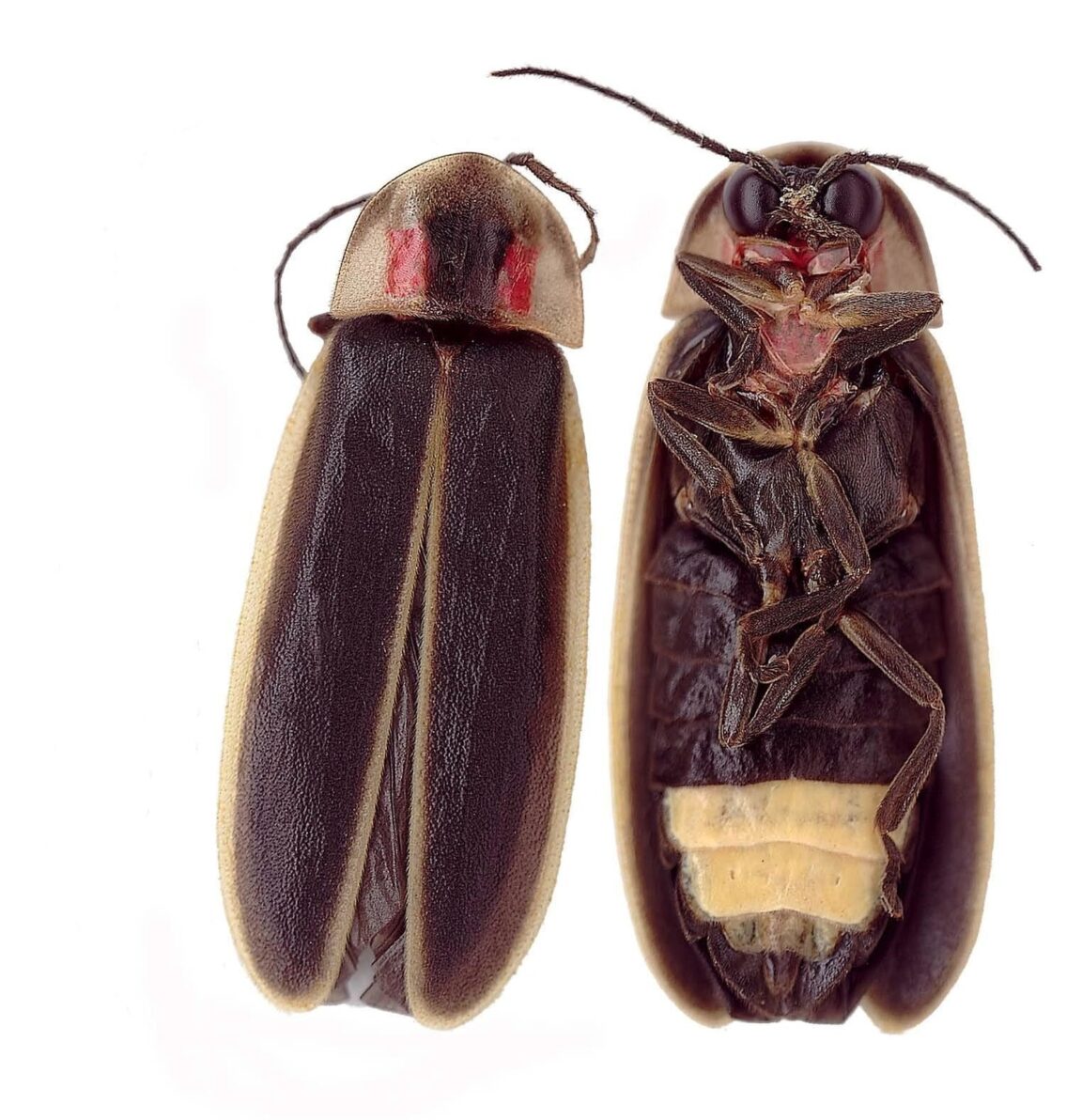
- What: Synchronous fireflies, Photinus carolinus, one of 19 firefly species in Great Smoky Mountains National Park and one of only a few species in the world that synchronize their flashes
- Where: The Elkmont viewing area, on the Tennessee side of Great Smoky Mountains National Park, near Elkmont Campground on the Little River
- Season: The mating display lasts about two to three weeks a year; since 1993 the recorded peak has ranged from the third week of May to the third week of June
- Most recent event: Eight viewing nights, 20 to 27 May 2026, with 120 vehicle reservations per night and 960 in total
- Lottery: Held on Recreation.gov each spring; in 2026 it ran from 10 a.m. ET on 24 April to 11:59 p.m. ET on 27 April, with results notified by 6 May
- Cost: $1 application fee, plus a $29 reservation fee charged to the same card if you are selected; one reservation covers one vehicle with up to seven occupants
- Show time: Be settled at your viewing spot by 9 p.m.; the fireflies typically begin flashing once the forest is completely dark, usually around 9:30 p.m.
- Flashlight rule: Red filter or red cellophane only, pointed at the ground while walking, and switched off completely once you are in place
What actually happens in the Elkmont woods?
The display is a mating signal, and its rhythm is what makes this species famous. According to the National Park Service, the males of Photinus carolinus produce a pattern of five to eight distinct flashes, followed by about eight seconds of darkness, before the cycle repeats. Early in the evening the flashing can look scattered, but as more males join in, their rhythms align until whole sections of forest pulse together and then go dark together. The females, much dimmer, sit on the forest floor and answer during the pauses, which is one reason the park is so strict about visitors staying on trail: female fireflies live at ground level in the leaf litter, and feet off the path can crush them.
The adult stage is brief. The park notes that most of the firefly life cycle, one to two years, is spent as larvae feeding in the leaf litter, while the flying adult phase lasts only three to four weeks. That short adult window, driven by temperature and soil moisture, is why the event cannot be pinned to fixed calendar dates and why the park uses soil temperature readings to choose the viewing dates each spring. Weather on the night matters too: heavy rain can halt the flashing altogether, mist usually does not, and temperatures below 50 degrees Fahrenheit can sharply reduce the number of active fireflies. For a second, very different firefly lottery in the Southeast, see our guide to Congaree firefly season, its lottery nights and boardwalk rules.
How does the firefly lottery work, step by step?
The lottery exists because demand overwhelmed Elkmont. As word of the display spread, visitor numbers surged, creating safety hazards and damage to the habitat, so the park cut numbers and moved access to a lottery for a limited number of vehicles. The mechanics, from the official Recreation.gov listing for the most recent season, work like this.
First, you apply during a short spring window, in 2026 from 24 to 27 April, and pay a $1 application fee. Each application can list up to two preferred viewing dates from the eight night event. Second, results follow in early May; in 2026 all applicants were notified by 6 May. Third, if you are selected, the $29 reservation fee is charged automatically to the same card you used for the application, so the card on file needs to be one that will accept that charge. There are no refunds, transfers, rain checks or date changes, and the reservation is valid only for its specified date.
On the night itself, the winner has to be in the vehicle: lottery winners must occupy the vehicle and present photo identification matching the name on the reservation before the vehicle is admitted. Preferred arrival at the Elkmont check in is between 6 p.m. and 8 p.m., and no late arrivals are admitted after 8:15 p.m. During the managed period, the Little River and Jakes Creek trailheads are closed at night to everyone except permitted vehicles and foot traffic from registered campers at Elkmont Campground. Treat those times as hard deadlines, not guidelines, and build dinner and the drive in well ahead of them. If you are planning several park trips in one year, our explainer on which national parks require reservations and which dropped them puts this lottery in its wider context.
What are the viewing rules once you are inside?
How should you handle your flashlight?
This is the rule visitors break most often, and the park states it plainly: bright light disrupts the communication between fireflies and ruins the night vision of everyone around you. Cover your flashlight with red cellophane or use a light with a red filter, adding extra layers of cellophane if the beam is still bright. Use it only while walking to your viewing spot, keep it pointed directly at the ground, and try to manage without it where it is safe to do so. The moment you reach your spot, turn it off and leave it off. The same logic applies to phone screens: keep them dark and in a pocket, because a white screen at full brightness does exactly the damage the red filter is meant to prevent.
Where can you stand, and what is banned?
Stay on designated trails at all times. Do not catch fireflies; if one lands on you, stay still and let it fly away on its own. Arrive at your viewing location by 9 p.m. for safety and for the consideration of others, rather than picking your way through a settled, dark crowd at 9:25. Pack out all food and trash and keep track of your belongings, because Elkmont is bear country and anything edible left behind is a problem for the animals as well as a fine risk for you. Speak quietly, keep children close, and give the darkness ten minutes: human eyes adjust slowly, and the display strengthens as the forest gets fully dark around 9:30 p.m.
Where should you base yourself, and what does the trip cost?
Elkmont sits on the Tennessee side of the park, and Gatlinburg is the natural base for a lottery night: it is the gateway town for this side of the Smokies, with the widest choice of hotels, cabins and restaurants, and it keeps the evening drive to the check in short, which matters when the entry cutoff is 8:15 p.m. Townsend, the quieter town on the same Tennessee side, suits travelers who prefer a slower pace and do not mind a longer drive in. The North Carolina side towns, such as Cherokee and Bryson City, work well for the rest of a Smokies itinerary but make for a long, dark mountain drive back after a 10 p.m. finish, so they are the weaker choice for the firefly night itself.
The event itself is cheap; the trip around it is where money goes. Budget $30 in total for the lottery and reservation per vehicle, split across up to seven people, which makes it one of the best value wildlife events in the national park system if you win. The real costs are two or three nights of lodging in a gateway town at peak spring demand, meals, and fuel. Booking lodging early, before lottery results land, with a rate you can cancel after the early May notification date, is the standard hedge: it holds a room in a busy season without locking you into a trip the lottery may not give you.
What if you do not win? The backup valleys and the campground route
Losing the lottery does not have to end the trip. The first backup is Elkmont Campground itself: during the event, registered campers at Elkmont can reach the viewing area on foot, outside the vehicle lottery, because the trailhead closures specifically except foot traffic from registered campers. Campsites there are reserved through Recreation.gov and are among the most contested in the park for these dates, so this route rewards planning even earlier than the lottery.
The second backup is expectation management plus the wider park. Elkmont holds the famous concentration of synchronous fireflies, but the park is home to 19 firefly species, and summer evenings across its valleys, including the Little River corridor and the open ground around Cades Cove on the Tennessee side, bring firefly activity of other species without any lottery at all. It will not be the synchronized pulse, and no honest guide should promise that it will, but a dark, quiet evening away from town lights still delivers the Smokies at their best in late May. Finally, there is next year: the pattern of a late April lottery for a late May to mid June peak has held for decades, so a flexible spring calendar is the single biggest advantage you can give yourself.
Frequently Asked Questions
When is the synchronous firefly lottery held?
In spring, ahead of the viewing event. In the most recent season it opened at 10 a.m. ET on 24 April 2026 and closed at 11:59 p.m. ET on 27 April 2026 on Recreation.gov, with all applicants notified by 6 May. Exact dates for the next season are set each year, so check the park firefly page and Recreation.gov from early spring.
How much does it cost to see the synchronous fireflies?
The lottery application costs $1. If you are selected, a $29 reservation fee is charged to the same card, so a winning vehicle pays $30 in total. Each reservation covers one vehicle with up to seven occupants for one specified night, and there are no refunds or transfers.
What time does the display start?
The park advises being at your viewing location by 9 p.m. Synchronous fireflies typically begin flashing when the forest becomes completely dark, usually around 9:30 p.m. Check in at Elkmont runs from 6 p.m. to 8 p.m., and no one is admitted after 8:15 p.m.
Why do flashlights need a red filter?
Bright white light disrupts the flash communication the fireflies use to find mates and destroys the night vision of other visitors. The park requires a red filter or red cellophane over your light, pointed at the ground while walking and switched off entirely once you are seated at your viewing spot.
Can I just drive to Elkmont without a pass during the event?
No. During the managed viewing period, vehicle access is limited to reservation holders, and the Little River and Jakes Creek trailheads are closed at night to all but permitted vehicles and registered Elkmont Campground guests on foot. The lottery winner must also be in the vehicle and show photo ID matching the reservation.
What happens if it rains on my viewing night?
Heavy rain can stop the fireflies flashing, while light mist usually does not, and cold below 50 degrees Fahrenheit reduces activity. Reservations carry no rain checks, refunds or date changes, so a washed out night is a genuine risk of the lottery system and worth weighing before you build an expensive trip around a single evening.
Facts checked against the National Park Service synchronous fireflies page for Great Smoky Mountains National Park and the official Recreation.gov lottery listing on 20 November 2026. Dates and fees describe the most recent completed season; the park sets new dates each spring.