 Thandiwe Nkosi
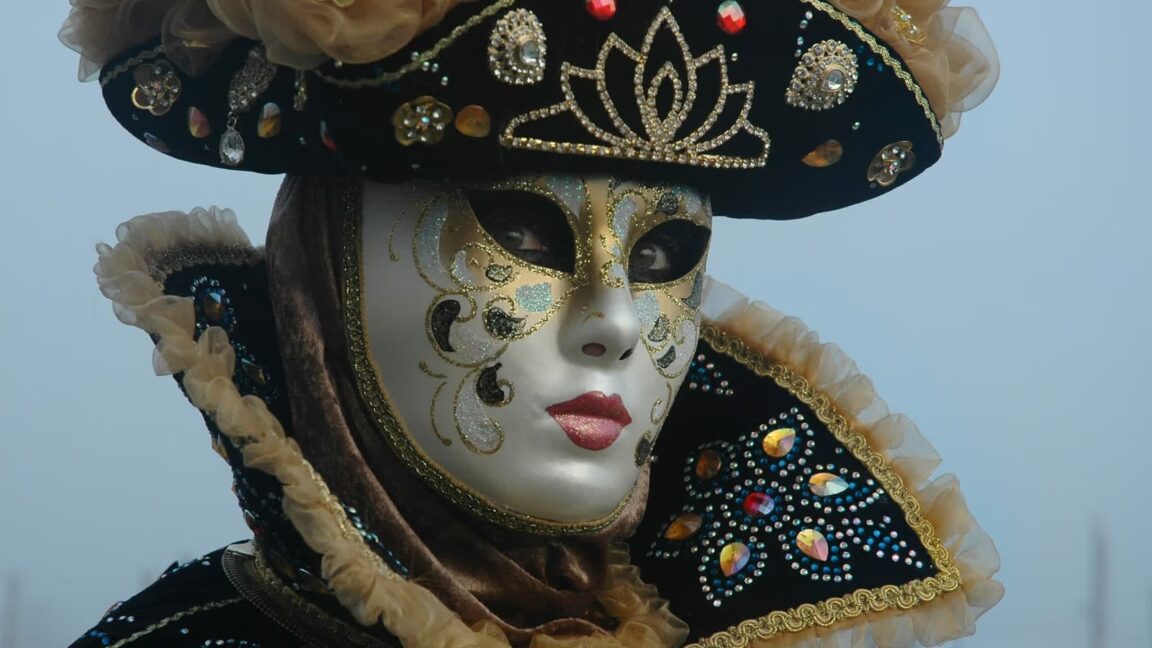
Venice Carnival works best when you plan it as two festivals at once: the free street spectacle in Piazza San Marco, built around the Flight of the Angel, the Festa delle Marie and the daily best mask contest, and the older, quieter Carnival of the neighbourhoods, where atelier made masks come out of Dorsoduro workshops and Cannaregio holds its own local nights along the canal. Base inside the historic centre, arrive before the headline Sundays, book costume and ball tickets months ahead, and use the early mornings, when the costumed figures pose in the mist by the lagoon, as your daily starting gun. The most recent edition ran from 31 January to 17 February 2026 under the theme Olympus, At the Origins of the Game, and the season always closes on Shrove Tuesday, which falls on 9 February 2027.
Quick Facts
- Where: Venice, Italy, across the historic centre, with the headline events in Piazza San Marco and the local nights in Cannaregio and Dorsoduro.
- When: The Carnival season ends on Shrove Tuesday, Martedi Grasso. The 2026 edition ran 31 January to 17 February 2026; the next season closes on Tuesday 9 February 2027. Confirm the full programme on the official Carnival site before booking.
- The signature event: The Flight of the Angel, the Volo dell’Angelo, a costumed descent from the St Mark’s Campanile to the piazza, held at noon on the Carnival’s first main Sunday.
- The opening: The Festa Veneziana, a water parade of decorated boats, opens the festivities on the Cannaregio canal and the Grand Canal.
- The procession: The Festa delle Marie, twelve young women in historical costume carried and boated to San Marco, reviving a centuries old Venetian ceremony.
- The masks: Handmade in Dorsoduro ateliers from papier mache, in the classic forms: bauta, volto, moretta and colombina.
- The cost: Street events are free. Masked balls, costume hire and palazzo dinners are the big ticket items and sell out early.
- City logistics: Day visitors may face the city’s access fee on peak days, explained in our Venice day tripper entry fee guide. Staying overnight inside Venice changes both the fee position and the experience.
What actually happens in Piazza San Marco?
San Marco is the Carnival’s stage, and its programme follows a fixed grammar. The Flight of the Angel is the moment everything else is scheduled around: at noon on the first great Sunday, a costumed figure descends on a cable from the top of the Campanile, the bell tower, to the stage in the piazza below. The tradition descends from a sixteenth century acrobat’s feat and was revived in modern form in 2001, with the previous year’s Maria of the Festa delle Marie traditionally making the descent. Arrive hours early if you want a sightline, because the piazza fills completely, and treat anything you need to do that morning as already done the night before.
The Festa delle Marie is the second pillar. Twelve young women, chosen as the year’s Marie, process in rich historical costume from the Castello side of the city, travel part of the way by boat, and are presented in San Marco. The ceremony revives a medieval Venetian custom, and at the end of Carnival one of the twelve is named Maria of the Year, the honour that leads to the next Flight of the Angel. Around these set pieces runs the daily best mask contest in the piazza, where costumed participants take the stage to be judged, and it is the easiest headline spectacle to catch without a plan, because it repeats.
The closing grammar matters too. The season builds through Giovedi Grasso, Fat Thursday, peaks on the final weekend, and ends on Martedi Grasso, Shrove Tuesday, with the Svolo del Leon, the flight of the lion banner of St Mark, sending the Carnival off before Lent. If you can attend only one weekend, the final one is the most intense and the most crowded; the first main weekend gives you the Angel and the Marie with slightly more room to breathe.
Where do the masks come from, and what should you look for in Dorsoduro?
The mask is not a souvenir in Venice; it is a craft with rules. Traditional Venetian masks are made from papier mache, built up over a mould, dried, cut, smoothed and hand painted, and the surviving ateliers cluster in Dorsoduro, where workshops have produced masks for decades. A workshop visit is one of the few Carnival experiences that works in any weather and at any crowd level, and many ateliers run short mask decorating sessions where you paint a blank under a maker’s eye, a far better souvenir than a factory made import from a stall.
Learn the classic forms before you buy, because each carries a different history. The bauta is the archetypal Venetian disguise, a white mask with a jutting chin that lets the wearer eat and speak without removing it, traditionally worn with a black cloak and tricorn. The volto is the smooth full face ghost mask. The moretta is a small black oval held in place by a button gripped in the teeth, which enforced silence on the wearer. The colombina is the decorated half mask associated with the theatre. A handmade papier mache mask from a Dorsoduro atelier costs more than a plastic stall mask and is worth every cent of the difference: it is light, it fits a face, and it is the genuine article from the neighbourhood that still makes them.
What happens in Cannaregio, and why do locals guard it?
Cannaregio, the northernmost of Venice’s six districts, is where Carnival keeps its local accent. The Festa Veneziana opens the season here, with a parade of decorated and illuminated boats along the Cannaregio canal, food stalls on the fondamenta and the kind of crowd that is mostly Venetian. Through the season, the district’s evenings stay closer to a neighbourhood festival than a tourist spectacle: smaller processions, local music, bacari wine bars doing their normal work in costume, and costumed figures on the quiet canals rather than in the San Marco crush.
Base your evenings accordingly. Spend the headline mornings in San Marco, because that is where the Angel flies and the Marie arrive, then drift north and west as the day tour crowds peak. Dorsoduro gives you the mask ateliers by day and a student quarter’s bars by night. Cannaregio gives you the local Carnival after dark. For a sense of the grand hotel end of the city in season, our guide to the Gritti Palace shows the Grand Canal palazzo world that hosts many of the masked balls.
How do you survive the crowd peaks?
Respect the city’s pinch points. The Rialto and Accademia bridges, the station approach and the San Marco waterfront are the four bottlenecks, and on headline Sundays the police run one way flows on some routes. Move early or late, never at the hour everyone else moves. Be in the piazza for the Angel by mid morning at the latest, and plan your escape route before the descent, not after it. Use the vaporetto water buses on the lagoon side lines rather than the Grand Canal line at peak hours, and walk the back calli, which empty out two streets away from any headline sight.
Dress for a Venetian February: cold, damp and occasionally flooded. Acqua alta, high water, is a winter possibility, and waterproof footwear turns a flooded morning from a ruined day into a photograph. Costume wearers plan for the same cold, which is why the great costumes are built over layers. If you hire a costume, and the ateliers that hire full eighteenth century dress are one of Carnival’s great pleasures, book the fitting early in your stay and confirm the return time on Martedi Grasso, when every hire shop in the city is processing returns at once.
Finally, pace the spending. The street Carnival is free and magnificent. The paid layer, masked balls in palazzi, the official dinner show, costume hire, atelier workshops, is where the money goes, and every one of those elements needs booking well ahead, in the case of the famous balls, months ahead. Choose one paid anchor, a ball or a workshop, and let the free city do the rest.
Frequently Asked Questions
When is Venice Carnival?
Carnival ends on Shrove Tuesday, the day before Lent begins. The 2026 edition ran from 31 January to 17 February 2026 with the theme Olympus, At the Origins of the Game, and the next season closes on Tuesday 9 February 2027. The full dated programme is published on the official Carnival website each year, so confirm event times there before you book travel.
What is the Flight of the Angel?
The Volo dell’Angelo is Carnival’s signature ceremony: a costumed performer descends on a cable from the St Mark’s Campanile to the piazza below, traditionally at noon on the first main Sunday. The performer is traditionally the previous year’s Maria of the Festa delle Marie. It is free to watch, but the piazza fills hours in advance.
Do I need a costume to attend Venice Carnival?
No. Most visitors watch in normal winter clothes, and the street events are open to everyone. A mask, even a simple handmade colombina from a Dorsoduro atelier, changes how the city treats you and makes the photographs. Full costume hire is available from specialist ateliers and should be booked ahead.
Where should I stay for Carnival?
Inside the historic centre, so you can walk to the early events and retreat from the peaks. Cannaregio is the local, good value base with the Festa Veneziana on its canal; Dorsoduro puts the mask ateliers on your doorstep; San Marco is closest to the headline events and the most expensive and crowded.
What is the Festa delle Marie?
A revived medieval ceremony in which twelve young women in historical costume process through the city and are presented in Piazza San Marco. One is named Maria of the Year at the end of Carnival, an honour traditionally linked to the following year’s Flight of the Angel.
How crowded does Venice get at Carnival?
The final weekend and the Angel Sunday are among the busiest days of Venice’s year, with one way pedestrian flows on some routes and full vaporetti. Early mornings are the quiet window: costumed figures pose by the lagoon at dawn, and the city belongs to photographers and bakers until mid morning.