 Kwame Mensah
Greenville, Mississippi calls itself the Hot Tamale Capital of the World, and the claim rests on a real tradition: small, spicy, simmered Delta hot tamales, hand rolled for generations by African American and Sicilian families, anchored by Doe’s Eat Place on Nelson Street since 1941 and celebrated every October at the Delta Hot Tamale Festival on Main Street.
Quick Facts
Where: Greenville, Washington County, Mississippi, on the Mississippi River in the Delta, on the Mississippi Blues Trail routes along US Highway 61 and Highway 82.
The anchor: Doe’s Eat Place, 502 Nelson Street, the original location founded in 1941 by Dominick “Doe” Signa and his wife Mamie, a James Beard America’s Classics honouree in 2007, serving all beef hot tamales from the original recipe by the half dozen or dozen, dinner Monday to Saturday, 5pm to 9pm, per doeseatplace.com.
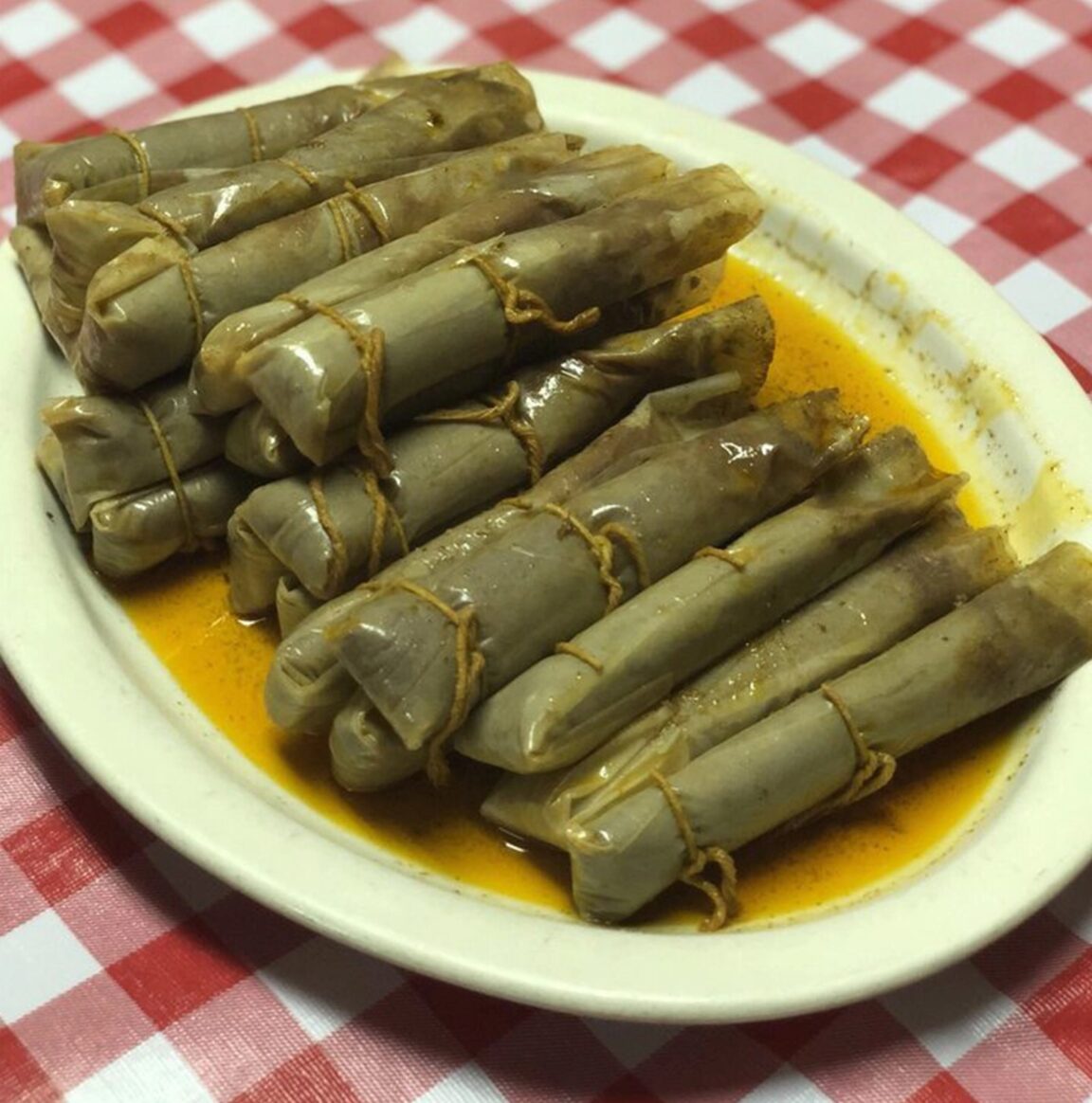
The style: Delta hot tamales are smaller, spicier and meatier than Mexican tamales, made with cornmeal rather than masa, wrapped in corn husks or, at Doe’s, parchment, and simmered in spiced liquid rather than simply steamed.
The festival: The Delta Hot Tamale Festival fills downtown Greenville on the third weekend of October, per Visit Mississippi, with tamale makers, a cooking competition, live music and the Doe’s Eat Place hot tamale eating contest.
Also in town: Hot Tamale Heaven on Highway 82 East and the wider Hot Tamale Trail stops across the Delta documented by the Southern Foodways Alliance.
What exactly is a Delta hot tamale?
Start with the differences, because a Delta hot tamale is not a Mexican tamale that wandered north. It is smaller and punchier: a seasoned meat filling, at Doe’s all beef, rolled in cornmeal dough rather than the softer masa of the Mexican original, tied in a corn husk or a parchment wrapper, and simmered in a spiced, peppery liquor until the bundle is juicy through. You eat it hot, usually by the half dozen, with the cooking liquid clinging to it, and optionally, at Doe’s, under a spoonful of homemade chili. Saltines and a cold drink are the traditional supporting cast.
The texture surprises first timers: firmer, grainier, more assertively spiced, built as working food that keeps and travels. Greenville’s makers guard their spice blends the way barbecue families guard rubs, and the argument over whose tamale is correct is the town’s favourite sport. The food travellers who chase this kind of regional canon will find the same pleasure in the raw bar hierarchy of the Apalachicola oyster order on Florida’s Forgotten Coast.
Where did tamales in the Mississippi Delta come from?
The honest answer is a braid, and Greenville’s own storytellers tell it that way. One strand is Mexican: migrant farmworkers who came to the Delta’s cotton fields in the early 20th century brought tamale making with them, and the food took root in the plantation economy. A second strand is African American: Black Delta cooks and entrepreneurs made the tamale their own, selling them from carts, cafes and street corners as an affordable, filling staple, and shaping the cornmeal style and the simmer that define the Delta version. A third strand is Sicilian: immigrant families such as the Signas of Doe’s, whose family grocery on the Nelson Street site dated to 1903, brought their own food traditions to the same streets.
Doe’s own family history, told on its site, has Dominick Signa working in the cafeteria at the Greenville air base during the Second World War, receiving a tamale recipe there, and bringing it home for Mamie to doctor. The couple hand rolled and hand tied tamales with sisters from both families, and the restaurant that grew from the grocery in 1941 has served them ever since. The Southern Foodways Alliance’s Hot Tamale Trail oral histories document the same interweaving across the Delta, maker by maker, which is why Greenville’s claim to the capital title is cultural, not just commercial.
Doe’s Eat Place: how do you eat at the institution?
You enter through the kitchen. That is not a gimmick but the floor plan of the original Doe’s at 502 Nelson Street, where diners walk past the broiler and the fryers into the dining rooms beyond, walls thick with decades of photographs and memorabilia. The restaurant began as the Signa family grocery in 1903 and became Doe’s Eat Place in 1941; the James Beard Foundation named it an America’s Classic in 2007, and the menu has stayed defiantly short.
Order the way the room intends. Start with the hot tamales, a dozen for the table, all beef, made from the original 1941 recipe, with the homemade chili alongside, and the house salad, the famous wet salad dressed with lemon juice and olive oil, plus garlic bread and hand cut fries. Then commit to the steak: Doe’s broils porterhouse and T-bone cuts cut for sharing, priced and sized for groups, alongside ribeye, filet and broiled or fried shrimp. Dinner runs Monday to Saturday, 5pm to 9pm on the restaurant’s own listing, reservations are welcome, and the building opens during the day for tamales to go, which is the local move for travellers passing through at lunch. Go with a group if you can; the format, the portions and the tamale dozens all assume one.
Beyond Doe’s: the Greenville crawl and the Hot Tamale Trail
Greenville rewards a second and third stop. Hot Tamale Heaven, out on Highway 82 East, is the town’s other name in tamale arguments, a festival winning maker serving them straight and fried. Around downtown, the festival footprint on Main and Washington and the Nelson Street district, historically the centre of Black Greenville’s business life, give the crawl its context: this food was born on these streets, sold by the families who lived on them.
Wider out, the Delta’s Hot Tamale Trail, mapped by the Southern Foodways Alliance, strings makers across the region, Hicks’ in Clarksdale, Solly’s in Vicksburg, whose recipe dates to 1939, and Fat Mama’s in Natchez among the best known, so a Blues Trail road trip down Highway 61 can be eaten one tamale stand at a time. Plan the same way you would the small town tables in the Lexington, Virginia food guide: call ahead, carry cash friendly expectations, and never assume a small maker keeps big city hours.
The Delta Hot Tamale Festival: is October worth the trip?
Yes, and it is the one weekend to build a Greenville trip around. The Delta Hot Tamale Festival takes over downtown on the third weekend of October, per Visit Mississippi’s festival listing, and has been named among the best specialty food festivals in the United States by USA Today on the festival’s account. Tamale makers from across the Delta compete for the year’s titles, the Doe’s Eat Place eating contest tests the brave against the clock, recent festivals have added a youth division, and live music, crafts and a 5K run fill out the programme around the eating.
The festival also does the tradition a service no restaurant can: it makes the makers visible. Families who roll tamales in small batches all year stand side by side downtown, and a visitor can taste the style’s range in an afternoon, husk against parchment, beef against chicken and oxtail specials, classic against new. Book rooms early, arrive hungry, and still keep one evening for Doe’s itself, because the festival is the celebration and Nelson Street is the source.
Frequently asked questions
What makes a Delta hot tamale different from a Mexican tamale?
Size, seasoning and method. Delta tamales are smaller, spicier and meatier, made with cornmeal rather than masa, and simmered in spiced liquid instead of only steamed. Doe’s version is all beef, from its original 1941 recipe, served by the half dozen or dozen with optional chili.
When is the Delta Hot Tamale Festival?
On the third weekend of October each year in downtown Greenville, per Visit Mississippi. Expect tamale competitions, the Doe’s Eat Place eating contest, live music and makers from across the Delta.
Do you need a reservation at Doe’s Eat Place?
Reservations are welcome and wise, especially for groups and steak nights. The original Greenville restaurant at 502 Nelson Street serves dinner Monday to Saturday, 5pm to 9pm, and opens during the day for tamales to go; confirm hours on doeseatplace.com before a special trip.
Why is Greenville called the Hot Tamale Capital of the World?
Because of the depth of its tamale tradition: generations of African American, Mexican American and Sicilian makers, institutions such as Doe’s serving tamales since 1941, and the October festival that gathers the Delta’s makers in one downtown. The title is the town’s own, and the tradition behind it is documented by the Southern Foodways Alliance.
What else should you do in Greenville between tamales?
Walk the historic downtown and the levee, visit the 1927 Flood Museum in the oldest building downtown, and follow the Mississippi Blues Trail markers on Nelson and Walnut Streets. Greenville sits on Highway 61, so it pairs naturally with a Delta blues road trip.