 James Wolfe
In Haro, Rioja’s wine capital, the perfect eating and tasting day runs in two halves: a morning walking between the seven century old bodegas of the Barrio de la Estacion beside the railway station, then lunch and an evening tapas crawl through La Herradura, the horseshoe of bars around Calle Santo Tomas in the old town.
Quick Facts
Where: Haro, La Rioja, northern Spain, in the Ebro valley. The Barrio de la Estacion and the old town are about ten minutes apart on foot.
The station quarter: Seven historic bodegas around Haro station, founded between 1877 and the modern era: Lopez de Heredia, CVNE, Gomez Cruzado, La Rioja Alta, Bodegas Bilbainas, Muga and Roda.
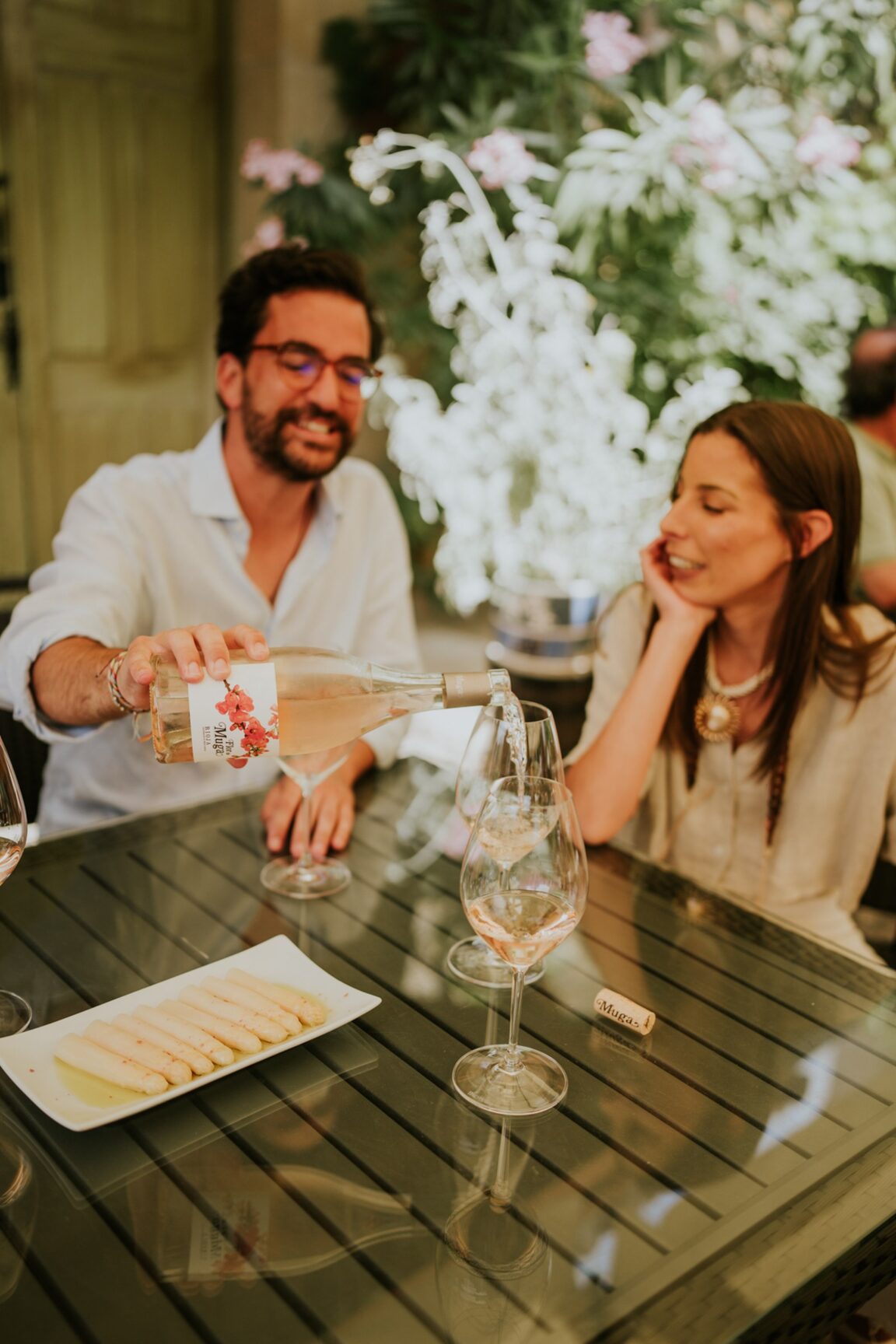
A benchmark visit: Bodegas Muga’s guided visit runs about 90 minutes with a tasting of two wines, listed at 30 euros per person with a minimum age of 12 on the winery’s visitor information; its terrace pours wines by the glass from 12pm to 2.30pm, no bookings taken, per bodegasmuga.com.
The tapas run: La Herradura, the lanes around Calle Santo Tomas, Calle Mayor, Plaza de la Iglesia, Calle San Martin and Calle Bilibio, plus the restaurant row for Riojan lunch menus, including the wood oven institution Terete, roasting since 1877.
Book ahead: Bodega tours are by reservation, in small groups, and sell out in harvest season, September to October, and around the Wine Battle on 29 June.
Why did Rioja’s great bodegas cluster beside a railway station?
The Barrio de la Estacion is not a theme park, it is industrial logic preserved in stone. In the late 19th century the railway reached Haro just as phylloxera was devastating French vineyards and French merchants came south hunting wine. Building your bodega beside the tracks meant your barrels rolled straight onto trains for Bilbao and France, and so the great houses built side by side on the same few streets: R. Lopez de Heredia Vina Tondonia in 1877, CVNE in 1879, Gomez Cruzado in 1886, La Rioja Alta in 1890 and Bodegas Bilbainas in 1901, with Muga, founded in 1932, and Roda completing the seven in the modern era. Nowhere else in the wine world packs this many historic producers into one walkable quarter, and the district’s own association promotes it as exactly that.
The practical consequence for a visitor is glorious: you park or arrive by train once, and the whole morning is on foot, gate to gate, with no driving between tastings. Haro also has its festival fame from the Batalla del Vino, the Wine Battle fought above the town each 29 June, but this article deliberately covers the other Haro, the one that pours quietly all year.
How do you order the station quarter morning?
Book two tours, not four. The quarter rewards depth over box ticking, and every visit ends with a tasting. A strong pairing is Lopez de Heredia, the quarter’s elder, where the cobwebbed cellars and the Zaha Hadid designed tasting pavilion frame Rioja’s most traditional winemaking, and Muga, the family house founded in 1932 that still makes its own barrels in its own cooperage, the last of its kind in Rioja on the winery’s account. Muga’s standard visit runs about 90 minutes through the oak vats and ageing rooms to a two wine tasting, listed at 30 euros, with visits by booking and a minimum age of 12.
Between and after tours, the wine bars do the lighter work. La Rioja Alta runs a wine bar and terrace beside its century old cellars, CVNE pours in its station side complex, and the district’s passport scheme, the Pasaporte del Barrio de la Estacion, bundles a glass and a tapa at each participating bodega wine bar into one booklet valid across days, which suits anyone staying two nights. Finish the morning where the Muga terrace pours its own wines by the glass in the open air, listed hours 12pm to 2.30pm, first come, with local products alongside, before walking up into town for lunch. Confirm every tour time and price on each bodega’s own site when booking, because harvest season reshuffles programmes.
Where do you eat lunch like a harvest worker?
Haro’s lunch culture was built for people who work in cellars and vineyards, and the menu del dia in the old town is its monument: a first course, a Riojan main, dessert and house wine at a working price, served at a working pace. The dish to order wherever it appears is patatas a la riojana, the potato and chorizo stew that is Rioja’s gift to cold weather, followed by caparrones, the local red bean stew, or lamb from a wood oven.
The name above the door that matters most is Terete, roasting suckling lamb in a wood fired oven since 1877, the same year Lopez de Heredia was founded, which makes it the quarter’s contemporary and the town’s classic celebration lunch. Los Canos, by the church of Santo Tomas, is the other local institution travellers are steered to, known for its croquetas and traditional Riojan cooking. Book both at weekends and through the September and October harvest, when the town fills with pickers, buyers and the bodegas’ own guests. This is not a town that rewards turning up hungry and hopeful at 2.30pm on a Saturday.
The Herradura run: how do you eat the evening?
When the bodegas close, Haro moves uphill. La Herradura, the horseshoe, is the tight circuit of tapas bars folded around Calle Santo Tomas, Calle Mayor, the Plaza de la Iglesia, Calle San Martin and Calle Bilibio, below the Plateresque front of the church of Santo Tomas. The method is the northern Spanish one: one bar, one speciality, one small glass, move on. Order what the bar is known for rather than a greatest hits everywhere, a tapa of mushrooms here, croquetas there, a tortilla somewhere else, and let the glass change with the food, a young red by the glass in one bar, a white or a rose in the next.
Pace it as the locals do, later than northern European instincts suggest, with the bars filling from about 8pm, and keep the Plaza de la Paz, the town’s main square a few minutes away, for the sit down coffee or the last glass. Travellers who have eaten their way through the San Sebastian pintxos order will recognise the grammar immediately, with Rioja’s own accent: smaller, less touristed, and priced for neighbours. Wine travellers budgeting a longer Spanish and Georgian circuit can compare the cellar door math with the Kakheti trip costs guide.
How do you fit Haro into a Rioja trip?
Give Haro a full day and a night, minimum. Arrive the evening before for a first Herradura run, tour two bodegas the next morning, lunch at Terete or on a menu del dia, rest, then repeat the tapas circuit with the confidence of a second night local. Drivers should plan around the tastings honestly: the quarter is walkable from old town hotels, the train station sits in the quarter itself for anyone arriving from Logrono or Bilbao, and spittoons exist for a reason during tour number two.
Season shapes the town. Harvest, mid September into October, is Haro at full stretch, glorious and booked out. Late June brings the Wine Battle crowds. Winter is the connoisseur’s secret: the bodegas stay open by reservation, the Herradura belongs to the town, and patatas a la riojana taste exactly as intended. Whenever you go, the order of the day does not change: station quarter in the morning, harvest lunch at midday, horseshoe at night.
Frequently asked questions
How many bodegas are in the Barrio de la Estacion?
Seven historic houses stand in the quarter: Lopez de Heredia (1877), CVNE (1879), Gomez Cruzado (1886), La Rioja Alta (1890), Bodegas Bilbainas (1901), Muga (1932) and Roda. All sit within a short walk of Haro station.
Do you need to book bodega tours in Haro?
Yes. Visits run by reservation in small groups, and the popular houses fill quickly in harvest season and around festivals. Book on each bodega’s own website and confirm the current price and language of the tour; Muga’s standard visit is listed at 30 euros for about 90 minutes with two wines.
What should you eat in Haro besides the wine?
Patatas a la riojana, the potato and chorizo stew, caparrones bean stew, wood oven roast lamb at Terete, and the tapas specialities of the Herradura bars around Calle Santo Tomas, each bar ordered for the one dish it is known for.
Can you do Haro as a day trip?
You can, from Logrono or Bilbao, and the station in the quarter makes it easy by train. But an overnight is better: it lets you run the Herradura tapas circuit at night without a drive or a last train hanging over the table.
When is the best time to visit Haro?
Harvest, September to October, for the fullest atmosphere and the hardest bookings; late spring for easier reservations and terrace weather; and winter for the quietest cellars and the heartiest food. The Wine Battle falls on 29 June.