 Hana Kim
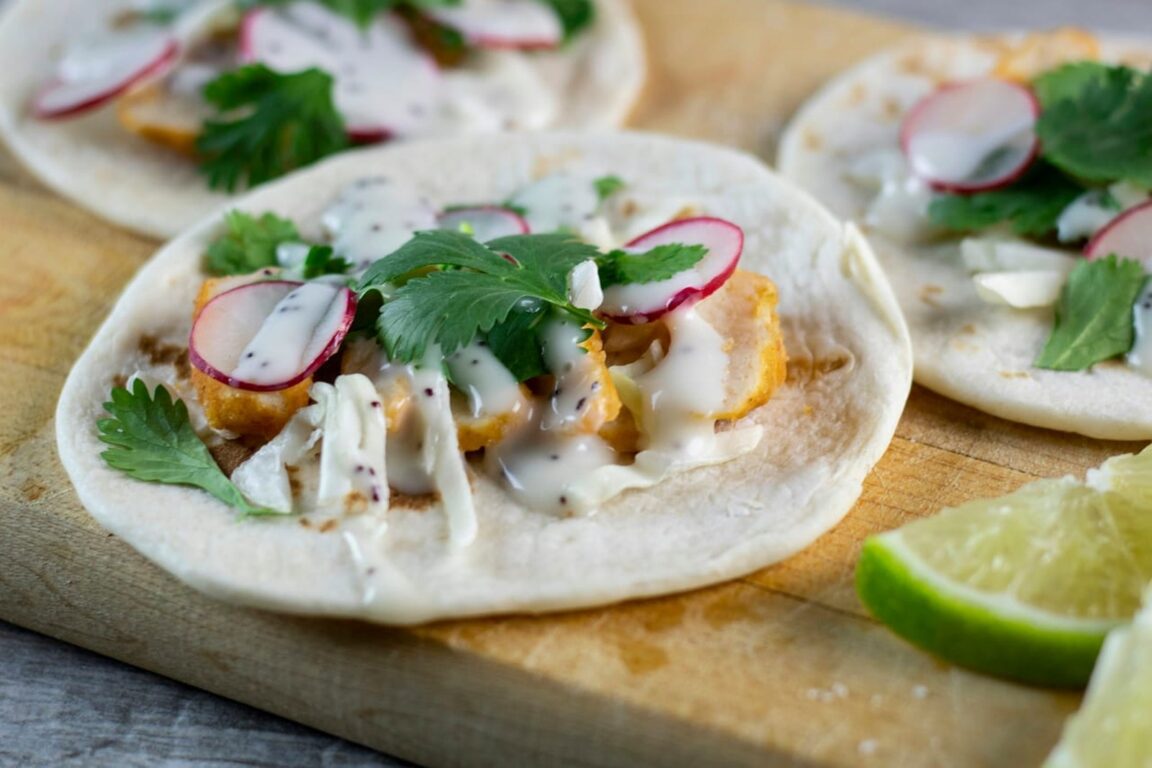
Order a fish taco in Ensenada like this: one or two battered fish tacos at a stand near the Mercado Negro fish market, the fish fried in a mustard laced batter, then shredded cabbage, then crema, then salsa from the bar in rising heat, then lime. Ensenada, in Baja California, is widely credited as the birthplace of the fish taco, and the stands by its fish market are where the original order still makes most sense, because the fish on sale in the market that morning is the fish going into the fryer. Get the sequence right and you understand the dish; get it wrong, drowned in salsa before the crema, say, and you have a soggy copy of something Ensenada invented.
Quick Facts
- Where: the stands in and around the Mercado Negro, Ensenada working fish market on the waterfront, in Baja California, Mexico.
- The claim: Ensenada is widely credited as the birthplace of the Baja style fish taco, and Baja California official tourism calls the city famous for fish tacos considered among the best in the world.
- The batter rule: flour, baking powder, Mexican oregano, garlic, black pepper and yellow mustard, loosened with beer, sparkling water or water to a pancake batter consistency. The mustard is the Ensenada signature.
- The build: battered fried white fish in a warm corn tortilla, then shredded cabbage, then a mayonnaise and crema white sauce, then salsa, then lime.
- The recognition: Ensenada was named a UNESCO Creative City for its cuisine in 2015, and Baja California official tourism notes fish taco stands including Tacos Marco Antonio and Mi Ranchito El Fenix, also known as Tacos Fenix, distinguished by the Michelin Guide.
- The salsa bar: a row of salsas of rising heat is part of the order, not an extra. Work from the fresh, mild salsas toward the hot ones, and add heat after the crema, never before it.
Where was the fish taco actually invented?
The honest answer is that Ensenada claims it, the claim is old, and the details are argued over with real local passion. The most repeated market story credits a stand inside the Mercado Negro in the late 1950s, where a vendor nicknamed El Bachigualato began serving fish in tortillas at the fish market itself. A second strand of the story runs through Ensenada Japanese fishing community, whose tempura technique, fish battered and fried light and crisp, is said to have met the Mexican tortilla, cabbage and salsa in this port. Food historians debate which strand matters more, and some early versions were grilled rather than battered, but the two stories agree on the geography: this happened in Ensenada, around its fish market, with the catch that came off its own boats.
What is not debated is the result. The battered fish taco that spread north to San Diego and then across the United States, and that now appears on menus worldwide as the Baja fish taco, is the Ensenada build: fried fish, cabbage, white sauce and salsa in a corn tortilla. Baja California official tourism is blunt about the city standing, calling Ensenada famous for its fish tacos and seafood carts, considered among the best in the world, and the state lists the city fish taco stands among its headline food experiences. Eat one anywhere else first if you like; then eat one here, beside the market, and judge the original on its home ground.
Why do the stands cluster by the Mercado Negro?
Because the market is the supply chain. The Mercado Negro, officially the Mercado de Mariscos, is Ensenada working fish market on the waterfront by the port, where the day catch is iced, displayed and sold by weight to restaurants, stands and home cooks. A stand at the market edge buys fish at the hour it arrives, fries it within sight of the stall it came from, and never has to explain what fresh means. That is why the natural starting point of any Ensenada fish taco order is not a famous name but a place: the market and the streets around it, where taco stands have lined the waterfront since the style took hold.
The market setting also sets the etiquette. These are working stands, not restaurants: you order at the counter, your tacos are built to order in front of you, you dress them at the salsa bar, and you eat standing or on a stool while the next order fries. Cash moves fastest in this environment, portions are sized for ordering one or two at a time and then reordering, and the busiest stand with the longest local line is the oldest quality signal in the city. Treat the first stand as a survey, not a commitment: one fish taco, dressed properly, tells you more than any review.
What is the mustard rule in the batter?
The batter is where an Ensenada taco separates itself from a generic fried fish taco, and its defining ingredient surprises people: yellow mustard. The classic Ensenada style batter, as recorded by cooks who learned it from Ensenada taco makers, combines flour and baking powder with Mexican oregano, black pepper, crushed garlic and a teaspoon of yellow mustard, sometimes with a little concentrated chicken base, then loosens the mixture with beer, sparkling water or water to the consistency of pancake batter. The mustard does three jobs: it seasons the crust from inside, it gives the fried coating its characteristic golden colour, and it adds a background tang that survives the crema and salsa on top. A batter without it can be crisp and pleasant, but Ensenada regulars will tell you it is not the local article.
The fish itself stays simple by design. Firm white fish, cut in strips, goes into the batter and then into hot oil until the coating is crisp and pale gold; in the classic recipe the oil sits around 375 degrees Fahrenheit. Nothing else competes with the crust: no heavy spice rub, no breadcrumb shell, no cheese. The point of the mustard rule is that the flavour is built into the one element the stand controls completely, the batter, while everything after the fryer is assembly. If you make these at home, this is the rule to copy exactly, and the element to taste for when you judge a stand in Ensenada itself.
What is the right order at the salsa bar?
Assembly has a sequence, and regulars insist on it because each layer protects the next. First, cabbage goes on the hot fish: finely shredded, raw and cool, it is the crunch layer and the temperature contrast. Second, the white sauce, a spoonable mix of mayonnaise and Mexican crema thinned with a little milk, goes over the cabbage, cooling and binding it. Third, and only third, salsa: the salsa bar at an Ensenada stand is a hierarchy, running from fresh chopped tomato and green chile salsas at the mild end, through roasted and chipotle salsas in the middle, up to the thin, fierce arbol and habanero style sauces at the far end. Start one step below the heat you think you want, because the hot end of an Ensenada salsa bar is built for locals, and you can always add more to the second taco. Fourth, lime, squeezed over everything at the very end, is the finish, never the start: lime on the fish before the cabbage would wet the crust you came for.
Two mistakes undo the build. Drowning the taco in the hottest salsa first kills the mustard in the batter and the sweetness of the fish, which is why the hierarchy is climbed in order rather than raided at the top. And letting a dressed taco sit while you photograph the market turns crisp batter steamy inside the tortilla; these tacos are eaten within a minute or two of leaving the fryer, ideally at the stand. Order in small rounds, dress each taco the same disciplined way, and the differences between stands, batter, fish, salsa, become easy to taste. That comparative pleasure is the real Ensenada food skill, and it pairs naturally with a trip inland: our Valle de Guadalupe wine guide covers the valley half an hour from the city, where the same seafood shows up beside Baja wines.
How does Ensenada fit into a Baja food trip?
Ensenada is the seafood end of a Baja California food trip and Mexico City is its street food capital; the two belong in the same conversation, and our Mexico City food guide makes the natural companion read. Within Ensenada itself, build the day around the market: fish tacos by the Mercado Negro first, while the catch and the fryers are at their morning best, then the city other famous stand food, the seafood tostada carts. Baja California official tourism singles out La Guerrerense, the cart run by Sabina Bandera since 1960, for its tostadas and its row of house salsas, some made with chiles she grows herself, which makes it the perfect second stop: the same salsa bar discipline, applied to cold seafood instead of fried. A UNESCO Creative City designation for cuisine, awarded in 2015, sounds abstract until you spend a day eating this way; in Ensenada it simply describes a port where the market, the stands and the carts still feed the city first and visitors second.
Frequently Asked Questions
Is Ensenada really the birthplace of the fish taco?
Ensenada is widely credited as the birthplace of the Baja style battered fish taco, and Baja California official tourism calls the city famous for fish tacos considered among the best in the world. The exact origin is debated: local stories credit a Mercado Negro stand of the late 1950s and the tempura technique of the city Japanese fishing community, and both stories place the invention in Ensenada, around its fish market.
What is in an Ensenada fish taco batter?
Flour, baking powder, Mexican oregano, black pepper, crushed garlic and yellow mustard, loosened with beer, sparkling water or water to a pancake batter consistency. The yellow mustard is the Ensenada signature: it seasons the crust, colours it gold and adds tang.
What goes on an Ensenada fish taco, and in what order?
Battered fried white fish in a warm corn tortilla, then shredded cabbage, then a mayonnaise and crema white sauce, then salsa from the bar in rising heat, then a squeeze of lime last. Salsa goes after the crema, and lime goes over everything at the end.
Where should a first time visitor eat fish tacos in Ensenada?
Start at the stands in and around the Mercado Negro fish market on the waterfront, where the fish is bought the same morning it is fried. Baja California official tourism also names Tacos Marco Antonio and Mi Ranchito El Fenix among the city distinguished stands.
What else should you eat on the same trip to the market area?
Seafood tostadas from the city famous carts. Baja California official tourism highlights La Guerrerense, run by Sabina Bandera since 1960, for its tostadas and its ten house salsas. Ceviche tostadas and seafood cocktails are the other standard market area orders.
Are Ensenada fish tacos made with corn or flour tortillas?
The classic Ensenada build uses a warm corn tortilla. Flour tortillas appear elsewhere in Baja California cooking, but the original market stand taco, battered fish, cabbage, crema, salsa and lime, is a corn tortilla dish.
Image credit: Kyle Brinker, via Unsplash. Photo: battered fish tacos with crema, cabbage, radish, cilantro and lime, the dish itself that is the subject of this guide.