 Jonas Lindqvist
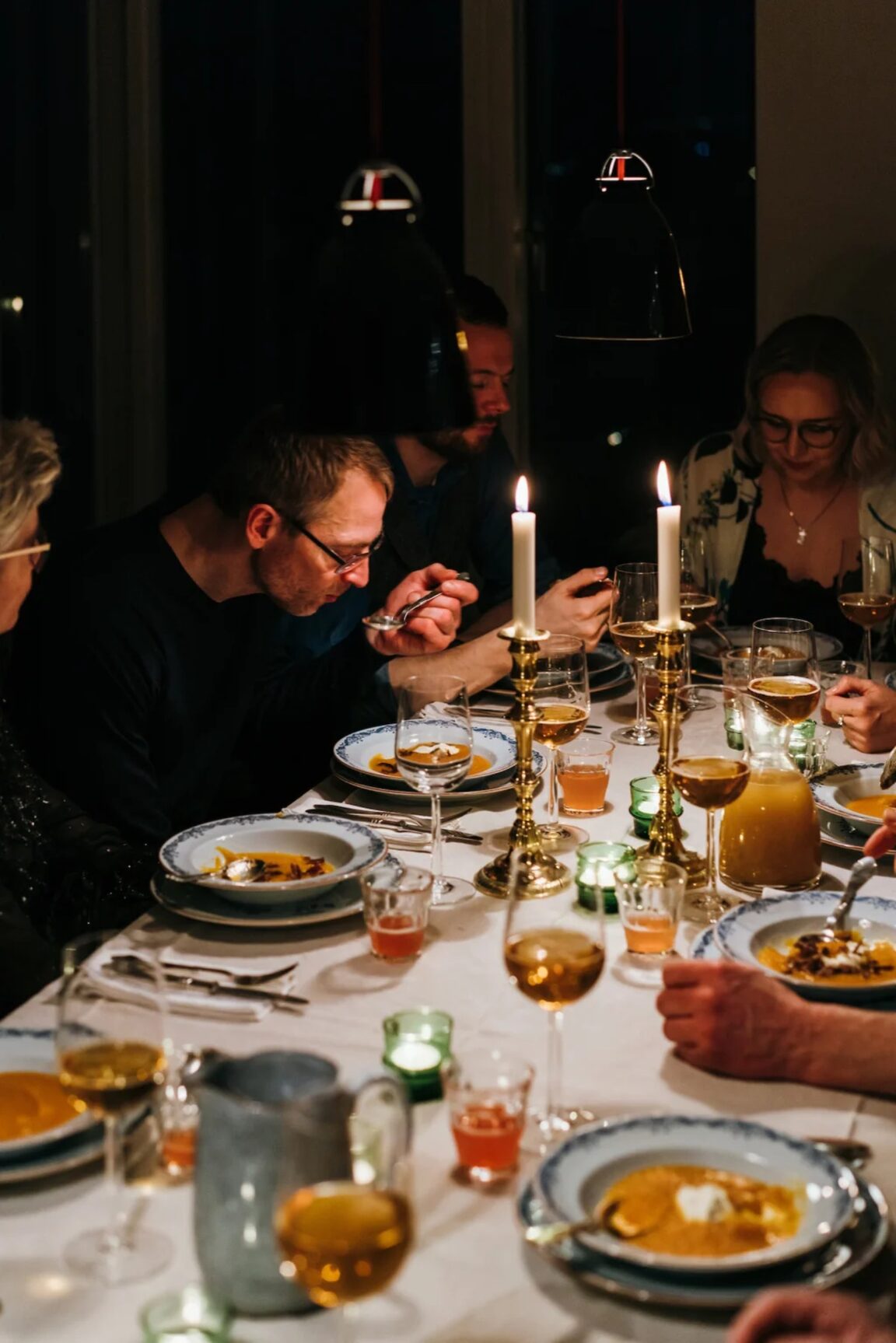
The most memorable meal in the Faroe Islands is not in a restaurant. It is in someone’s home, booked under the Faroese word heimablidni, which translates directly as home hospitality, according to Visit Faroe Islands. Across the islands, farmers, fishermen and enthusiastic home cooks open their dining rooms to small numbers of guests for traditional Faroese food, with rates sometimes as low as DKK 330 per person, the national tourism authority says, while individual hosts list full dinners from around DKK 700 to DKK 990 per person. One well documented Torshavn host pair, Durita and Frodi, serve a fermented specialities menu from 7 pm, with booking closing at 7 pm the day before, at DKK 790 per person, or DKK 990 all inclusive. Book early in your trip, arrive hungry and curious, and bring conversation, because you are a guest at a family table, not a customer at a themed attraction.
Quick Facts
What: Heimablidni, home hospitality, traditional home cooked meals served to guests in Faroese homes across the islands.
Booking hub: Eatlocal.fo lists hosts with direct booking, and Visit Faroe Islands lists hosts with contact details island by island.
Price range: Sometimes as little as DKK 330 per person, per Visit Faroe Islands. Listed full dinners include DKK 700 per person for a fish dinner at Hildigard’s in Sandur and DKK 790, or DKK 990 all inclusive, at Durita and Frodi’s in Torshavn.
Timing: Dinners commonly start at 7 pm. Durita and Frodi’s booking deadline is 7 pm the day before, per Visit Faroe Islands.
On the table: Fermented lamb and fish, known as raest, dried fish, potatoes, rye bread and home baking, varying by host and season.
Etiquette: Book ahead, arrive on time, accept what is served, and treat the evening as a visit, not a booking slot.
How does heimablidni booking actually work?
Start with the overview, then book direct. Visit Faroe Islands recommends Eatlocal.fo as the excellent overview of heimablidni meals across the islands, where you can filter hosts and make a direct booking, and its own listings name hosts village by village, from Nolsoy and Sandoy to Vagar and Suduroy, with contact details for direct enquiries. Some hosts run fixed supper club dates that individuals can join, sharing a table with other guests. Others cook for your group alone, and some, like the farmers Anna and Oli, take group bookings only. The practical rule is to schedule heimablidni early in a Faroe Islands trip, a tip Visit Faroe Islands gives for a sound reason: hosts know their area deeply, and an evening at their table is the best travel advice session you will get all week.
Deadlines are short but real. Durita and Frodi, in Hoyvik by Torshavn, take bookings up to 7 pm the day before a dinner, for individuals or groups of up to 20, with supper club dates for solo travellers published mainly in the summer months. Hildigard, in Sandur on Sandoy, asks guests to book as early as possible and at the latest on the morning of the visit. Read your chosen host’s terms rather than assuming a pattern, pay as directed when you book, and keep the host’s phone number, because a Faroese village address and a North Atlantic weather day can both require a quick call. If a host is full, ask the regional tourist information office for guidance, which is the fallback Visit Faroe Islands itself suggests.
What will actually be served at a Faroese home table?
Expect the preserved flavours of a sheep and fish culture that had to feed itself through long winters, served with pride rather than apology. Fermentation is the headline technique: raest describes food that has been wind dried and fermented in outdoor stores, giving lamb and fish a deep, pungent character that first time guests either love immediately or learn to love by the second helping. At Durita and Frodi’s, the listed starter platter runs to dry fish, dry whale, dry salted whale blubber and dried lamb, known as skerpikjot, with sausage, unleavened bread, a Faroese schnapps and beer. At Hildigard’s, a good Faroese dinner is most often fresh fish caught by her husband, with potatoes, at DKK 700 per person, while her traditional Faroese table, at DKK 840, layers bread with seasonal toppings such as dried fish, fermented meat and dried meat.
Menus move with season and household, which is the point. One farm in Selatrad builds a three course heimablidni around its own produce and time honoured methods, paired with a sheep farm visit. A supper club with farming hosts in Velbastadur runs to five courses with a welcome dram. Coffee, tea and water are included at some tables, alcohol at others only in an all inclusive price, as the two tier pricing in Torshavn shows. State dietary limits plainly when you book, not at the door, and understand that a traditional table in a small island home cannot become a different cuisine on request. Adventurous flexibility is part of the ticket.
For more on grass roof villages and North Atlantic food culture, pair this guide with Lunenburg, Nova Scotia’s schooner port and our harbour town walk in Kotor Bay beyond the old town.
What etiquette does a guest bring to a family’s table?
Bring the manners of a good house guest anywhere, tuned to a small community where your hosts will likely hear how the evening went from their neighbours. Arrive on time, because a home kitchen runs to its own clock and a 7 pm start means the food is timed to it. Take off outdoor shoes if that is the house pattern, accept a seat where it is offered, and pace yourself: courses in a Faroese home are generous, and the fermented specialities are rich. Ask about the food and the farm, the village and the weather, and be ready to answer in kind about your own home, because the exchange of stories is explicitly part of what hosts offer, tales of the local area alongside the meal.
Photography deserves a sentence of its own. Ask before photographing people or the inside of a home, however photogenic the grass roof and the laden table may be. The house is not a set. Tipping is simpler than many visitors fear: Visit Faroe Islands notes that service charges are always included in stated prices in the Faroe Islands, so you are not obliged to tip, though thanks, expressed warmly and directly, are always in order. Finally, remember that many hosts are reachable only because their village is small. Drive carefully on single track roads after dinner, in darkness and weather that deserve respect, or arrange your stay so the walk home is short.
Where do village halls and grass roofs fit into the picture?
Heimablidni happens in homes, but it belongs to a wider Faroese culture of gathering: village halls that host community dinners and chain dancing, farms that take guests for meals in turf roofed buildings, and a building tradition in which grass roofs insulate homes from Tinganes, the old government quarter in Torshavn, to the farm at Kirkjubour, one of the oldest continuously inhabited wooden houses in the world. When you book a home dinner in a village such as Sandur, Gjogv or Velbastadur, you are plugging into that culture at its most personal scale. Add a hall event or a farm visit if your dates allow, and the islands stop being a landscape you photograph and become a society you have eaten with, which is the entire promise of the word heimablidni.
Plan the logistics with the same care as the booking. Hosts are spread across an archipelago joined by tunnels, bridges and ferries, and a dinner on Sandoy or Nolsoy is a journey as well as a meal, with ferry timetables governing your return. Choose a host on the island where you are sleeping that night whenever you can, book the ferry before the dinner if one is involved, and let the host know your route. Islanders understand weather and boats better than any visitor. They will tell you plainly if a plan is fragile, and that plainness, like the food, is a form of hospitality.
Frequently asked questions
What does heimablidni mean? Home hospitality. It is the Faroese practice of inviting guests into a private home for a traditional home cooked meal and an evening of local stories.
How much does a heimablidni dinner cost? Visit Faroe Islands says rates are sometimes as little as DKK 330 per person. Listed examples include DKK 700 for a fish dinner at Hildigard’s and DKK 790, or DKK 990 all inclusive, at Durita and Frodi’s in Torshavn.
How far ahead should I book? As early as you can, and early in your trip. One Torshavn host closes bookings at 7 pm the day before, while others ask for booking by the morning of the visit at the very latest.
What is raest? The Faroese tradition of wind dried, fermented meat and fish, with a deep flavour that anchors the traditional table, alongside dried fish, dried lamb and home baking.
Can solo travellers book? Yes, where hosts run fixed supper club dates for individuals, published mainly in summer, or where a host accepts individual bookings. Eatlocal.fo is the place to filter the options.
Image credit: A heimablidni home dinner in the Faroe Islands, photo by Ingrid Hofstra, Visit Faroe Islands, via visitfaroeislands.com.