 River Callahan
An expedition cruise through Alaska’s Inside Passage buys a different product from a big ship sailing the same water: not entertainment and balcony scenery, but access. Small expedition vessels, typically carrying between about 50 and 200 guests, anchor in coves the large ships pass, launch Zodiac inflatables to glacier faces and shorelines, and put naturalists in the boat with you. What you give up is the big ship’s price, its port parade of Juneau, Skagway and Ketchikan in full, and its certainty. Judge the trade on access, not on thread count.
The Inside Passage itself is a sheltered waterway threading roughly a thousand miles from Puget Sound to the top of the Alaska Panhandle, a maze of fjords, islands and narrow channels under steep coastal mountains. Most of its communities have no road connection to anywhere. That geography is why ship size decides the trip here more than in any other cruise region on earth.
Quick Facts
- Expedition ship size: Commonly 50 to 200 guests, against 2,000 to 5,000 plus on the large mainstream ships.
- The core purchase: Zodiac landings and cruises, kayak outings where offered, naturalist guides, and time in coves and fjords off the main shipping lanes.
- Glacier Bay access: Limited by National Park Service permits. Not every itinerary, large or small, enters Glacier Bay, so check your specific sailing.
- What small ships skip: Some marquee port calls and the big production entertainment, waterparks and multi restaurant lineups of the large ships.
- Season: Alaska cruising runs roughly May to September. May and September are the shoulder months, with lower fares, fewer crowds and higher weather risk.
- Price shape: Expedition sailings cost more per day, but typically bundle excursions, guiding and sometimes drinks and gratuities that are add ons elsewhere. Compare totals, not headline fares.
What does the small ship actually do differently?
It stops where there is nothing to dock at. A large ship’s day is built around ports with piers built to its scale; an expedition ship’s day is built around a shoreline. The vessel anchors, the Zodiacs go down, and guests land on a beach for a naturalist led walk, or cruise slowly along a glacier face listening to the ice creak and watching for calving at water level rather than from a rail many decks up. Groups ashore are small, often eight to fifteen guests per guide, against the thirty to fifty of a big ship excursion, and the itinerary itself flexes: expedition captains routinely reorder days around weather, wildlife and ice conditions in a way a fixed port schedule cannot.
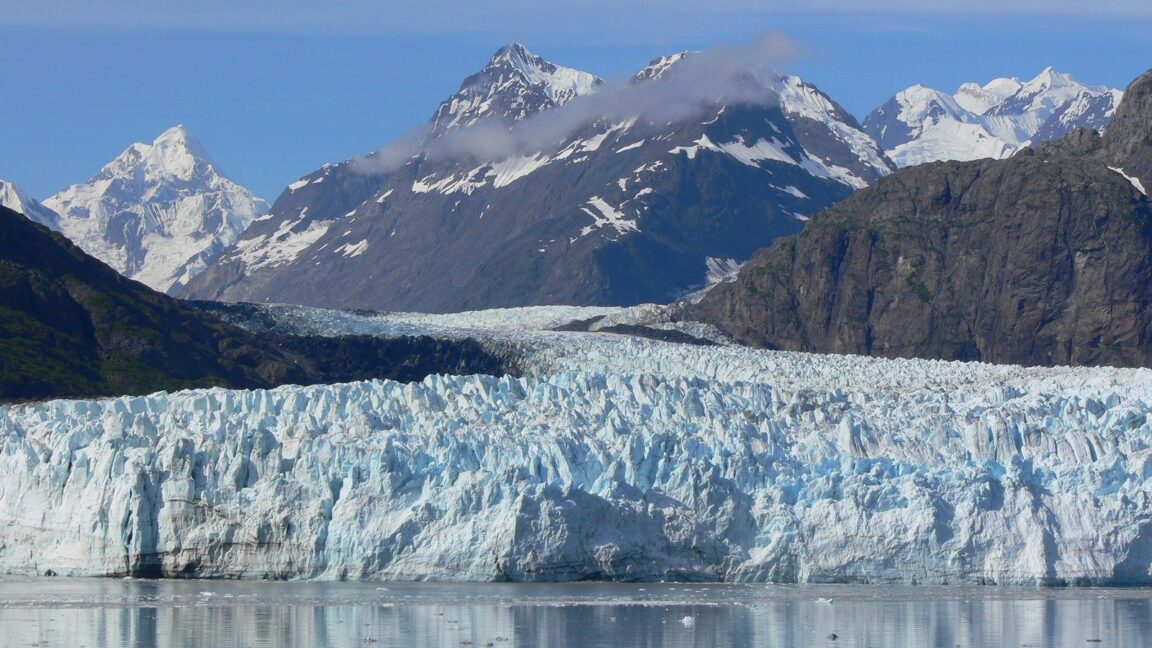
Margerie Glacier, in Glacier Bay National Park, shows the difference in one scene. The NPS describes a tidewater glacier about 21 miles long, flowing from the Fairweather Range at elevations above 9,000 feet and calving into Tarr Inlet, where harbour seals rest on the drifting ice. A large ship gives you that face as a panorama, held at a respectful distance on a timed rotation. A small vessel works the same water at Zodiac height, where the scale of a 250 foot ice front stops being a statistic. Neither is a lesser holiday; they are different instruments, and the expedition premium only makes sense if the close work is what you came for.
Which ports and experiences do you give up?
Be honest about the other side of the ledger. Expedition itineraries often shorten or skip the classic port calls: the full day in Skagway for the White Pass railway, the long Juneau day that pairs the Mendenhall Glacier with whale watching, the shopping streets of Ketchikan. In their place go smaller communities and working towns such as Petersburg and Wrangell, which the big ships largely bypass, plus anchorages with no town at all. Travellers collecting the famous Alaska checklist can finish an expedition cruise feeling they missed the postcards; travellers who found the big ports crowded in season usually feel the opposite.
On board, the trade continues. Expedition ships have one dining room, a lecture programme instead of a theatre bill, and cabins designed as places to sleep between outings. There are no waterparks, casinos or dozen venue evenings. For families with children who need entertaining on sea days, and for anyone whose cruise is primarily a floating resort that happens to pass Alaska, the large ship remains the right answer, and it is usually the cheaper one even before its excursions are added. Travellers weighing the two styles against each other may also enjoy our account of travelling by sea the slow way, sailing the Greek islands on the ferry system, where the vessel is transport first and venue second.
Is the May or September shoulder season gamble worth it?
The shoulder months are where the expedition maths gets interesting. Fares fall, sometimes substantially, the waterways empty, and autumn light and the first snow on the peaks can make September the photographer’s favourite month, while May offers long days and drier weather in much of the Panhandle than midsummer. The risk is real and specific: more rain and low cloud days that can flatten glacier viewing, cooler temperatures on exposed Zodiac rides, some shore excursions and businesses in small ports not yet open in May or already closed in September, and rougher exposed crossings.
The sensible way to price the gamble is against your flexibility. If this is a once in a decade trip and glacier days are the point, the peak weeks buy you the best odds, and the premium is insurance. If you can travel at short notice, tolerate a wet day as part of the record, and value empty anchorages, the shoulder sailing on an expedition ship is often the best value serious Alaska trip on sale. Either way, pack for the Zodiac, not the brochure: full waterproof outer layers, warm mid layers, gloves and a hat, and footwear that can get wet on a beach landing. Our continent by continent check of carry on liquids rules is worth a read if your route to the ship involves several flights.
Frequently asked questions
How many passengers do Alaska expedition ships carry?
Typically between about 50 and 200 guests, depending on the operator and vessel. That scale is what allows Zodiac operations, small group guiding and anchoring in coves that large ships cannot use.
Do expedition cruises visit Glacier Bay?
Some do and some do not. Entry to Glacier Bay is controlled by National Park Service permits and daily limits, so confirm Glacier Bay is on your specific itinerary before booking if it matters to you.
Are excursions included on an expedition cruise?
Usually the core programme is: Zodiac cruises and landings, guided walks and lectures are generally part of the fare, and some operators include drinks and gratuities as well. Optional activities such as kayaking or fishing may cost extra. Read the inclusions list line by line.
When is the cheapest time to cruise Alaska on a small ship?
May and September, the shoulder months. Expect lower fares and fewer vessels, balanced against cooler, wetter and less predictable weather and reduced services in some ports.
Is an expedition cruise good for children?
For older children who love wildlife and being outdoors in all weather, it can be superb. For families relying on kids clubs, pools and evening entertainment, a large ship is the safer match.
Image: Margerie Glacier flowing from the Fairweather Mountains into Tarr Inlet, Glacier Bay National Park, Alaska. Photo by the National Park Service, via nps.gov, the park’s official website. Used with credit.