 Omar Haddad
The best time to visit Morocco’s imperial cities is spring and autumn, with one honest complication: the calendar moves. Ramadan shifts about eleven days earlier each year, summer heat draws a hard line through inland Fes and Marrakech in July and August, and winter nights in the old medinas are colder than most visitors pack for. Choose April to early June or late September to November for the classic circuit of Fes, Marrakech, Meknes and Rabat, and then adjust for the religious calendar and the specific cities on your route.
Quick Facts
Best overall windows: Spring (March to May) and autumn (September to November), when inland temperatures sit in a comfortable walking range.
Summer reality: Marrakech and the interior regularly reach 37 to 38 degrees Celsius in July and August, with hotter spikes. Fes, inland and low, is similarly severe at midday.
Ramadan 2026: Approximately 18 or 19 February to 19 March 2026, subject to moon sighting. Dates shift earlier each year, so check the current year before booking.
Winter: Mild days and cold nights in the imperial cities, with snow possible in the Middle and High Atlas and real rain in the north.
The four imperial cities: Fes, Marrakech, Meknes and Rabat, each a former capital, each with a distinct climate quirk covered below.
Spring: The Window Everyone Is Right About
Spring earns its reputation. Across March, April and May, Marrakech moves from the low twenties into the high twenties Celsius, Fes is green after the winter rains, the Middle Atlas foothills above Meknes are at their prettiest, and Rabat’s Atlantic air keeps the capital pleasant almost regardless. Medina walking, the core activity in every imperial city, is comfortable for full days rather than split into dawn and dusk shifts. Spring is also when the countryside between the cities justifies slow travel: the Roman ruins at Volubilis near Meknes sit in wildflowers rather than dust, and the road days feel like part of the holiday instead of a transfer to survive.
The spring caveat is Ramadan’s drift. In 2026 the holy month falls approximately from 18 or 19 February to 19 March, which means early spring trips may overlap it entirely while late spring trips miss it. Neither is a reason to cancel. Travelling in Ramadan means quieter medina mornings, some daytime restaurant closures outside the most touristed streets, altered opening rhythms at some sites, and then evenings of real celebration as the fast breaks at iftar. Travellers who eat a good breakfast, carry water discreetly, avoid eating conspicuously in public during fasting hours, and plan to be somewhere convivial at sunset generally find Ramadan Morocco rewarding rather than restrictive. What it does punish is rigid planning: build slack into Ramadan days and confirm site hours locally.
Autumn: The Connoisseur’s Season
Late September through November is the imperial cities at their most balanced. The summer furnace has broken, the light turns golden on Fes’s honey coloured walls, Marrakech’s gardens recover their green, and the first Atlantic swells remind you that Rabat is a coastal capital. October in particular pairs comfortable city temperatures with the date harvest in the south and thinner crowds than spring’s peak. November brings cooler nights and the first mountain snow views from Marrakech, a fine trade for travellers who pack a proper jacket.
Summer: The Heat Line at Fes
Summer sorts Morocco by altitude and ocean. The Atlantic coast stays mild, Tangier and Rabat remain workable, and the mountains offer relief. But the inland imperial cities cross a line: Marrakech averages highs around 37 to 38 degrees in July and August and Fes, sitting inland away from sea breezes, bakes through the middle of the day. Sightseeing does not become impossible, it becomes scheduled: madrasas and museums at opening, long shaded lunches, siesta hours in a cool riad courtyard, and medina walks resumed after six in the evening. Travellers with fixed summer dates should weight their itinerary toward Rabat and the coast, treat Fes and Marrakech as early and late operations, and never plan a midday crossing of an exposed archaeological site. Heat at this level is a safety question, not a comfort preference, and children and older travellers feel it first.
Winter: Mild Days, Cold Stone Houses
Winter is the imperial cities’ quiet season and, for crowd averse travellers, a genuine option. Days in Marrakech and Fes are often mild and bright, prices soften, and the great sights stand nearly empty. The costs are cold nights, riads whose thick walls hold the chill, short days, and rain in the north that can close mountain roads toward the Middle Atlas. Pack for the evening, not the afternoon: a warm layer transforms a January rooftop dinner from endurance into pleasure. Winter is also when the contrast inside Morocco is sharpest, with snow on the Atlas visible from a Marrakech terrace where lunch is served in sunshine.
Matching the Month to the City
Fes rewards spring and autumn most, because its medina is a full day walking environment with little shade engineering and its summer heat is the country’s most punishing in a historic core. Marrakech is the most forgiving, with gardens, museums and a vast evening culture that adapts to almost any month except the peak summer furnace. Meknes, smaller and less visited, pairs naturally with Volubilis and works whenever Fes works, with spring wildflowers as its bonus. Rabat, Atlantic cooled and administrative in rhythm, is the year round city of the four and the safest anchor for a summer or winter itinerary. Travellers planning the wider country alongside the cities can use the same seasonal logic we apply to coastal and mountain trips elsewhere, from Cape Town’s season dependent table mountain days to the wine country timing in Franschhoek beyond the wine tram: the principle is identical, match the activity to the month, not the other way round.
Festivals, School Holidays and the Crowd Calendar
Weather is only half the timing question. The imperial cities also run on a crowd calendar driven by European school holidays, Moroccan public holidays and the festival year. Easter weeks and the Christmas to New Year period fill Marrakech’s riads and push prices to their annual ceiling, while the Fes Festival of World Sacred Music, usually held in late spring, transforms Fes for its duration: wonderful if you come for it, disruptive if you stumble into it without booking. Eid al Fitr, closing Ramadan, and Eid al Adha, roughly two months later, are family holidays when domestic travel surges, transport books out and some businesses close for several days. None of these dates should veto a trip, but all of them belong in the booking decision, because a city that is perfect in the abstract can be full, closed or expensive on the specific week you choose. Check the festival and holiday calendar for your exact dates in the same sitting as you check the weather averages.
What to Pack by Season
Packing for the imperial cities is a layering problem in every season. Spring and autumn call for light walking clothes, a warm layer for evenings on rooftop terraces, and shoes broken in for medina cobbles and madrasa stairs. Summer demands sun protection treated as equipment: a hat, high factor sunscreen, a refillable bottle and the discipline to carry water through the medina, plus loose, covering clothing that respects both the sun and local norms around religious sites. Winter reverses the mistake most visitors make: the days may invite a t shirt in Marrakech, but Fes in January, in a stone riad with a courtyard open to the sky, requires a proper warm jacket, thermal layers for the evening and gloves for early starts. In Ramadan, in any season, modest dress carries extra weight as a courtesy. The imperial cities reward travellers dressed for the day they are actually having, which in Morocco can contain two seasons before dinner.
Frequently Asked Questions
What is the single best month for Morocco’s imperial cities? October for most travellers, with April a close second. Both offer comfortable walking temperatures in Fes and Marrakech, settled weather and the full life of the medinas without summer heat or winter cold.
Should I avoid Morocco during Ramadan? No, but plan for it. Expect quieter days, some closures, changed hours and wonderful evenings at iftar. In 2026 Ramadan runs approximately from 18 or 19 February to 19 March, subject to moon sighting, and it moves earlier each year.
How hot do Fes and Marrakech get in summer? Highs around 37 to 38 degrees Celsius are typical in July and August in Marrakech, with hotter spikes, and inland Fes is comparable at midday. Sightsee early and late, and rest through the middle of the day.
Is winter a good time to visit? Yes for crowds and prices, with mild days in the south. Pack serious warm layers for cold medina nights and expect rain in the north and possible snow on Atlas routes.
How many days do the four imperial cities need? A minimum of seven: two each for Fes and Marrakech, one for Meknes with Volubilis, one for Rabat, plus travel days. Ten days lets the circuit breathe.
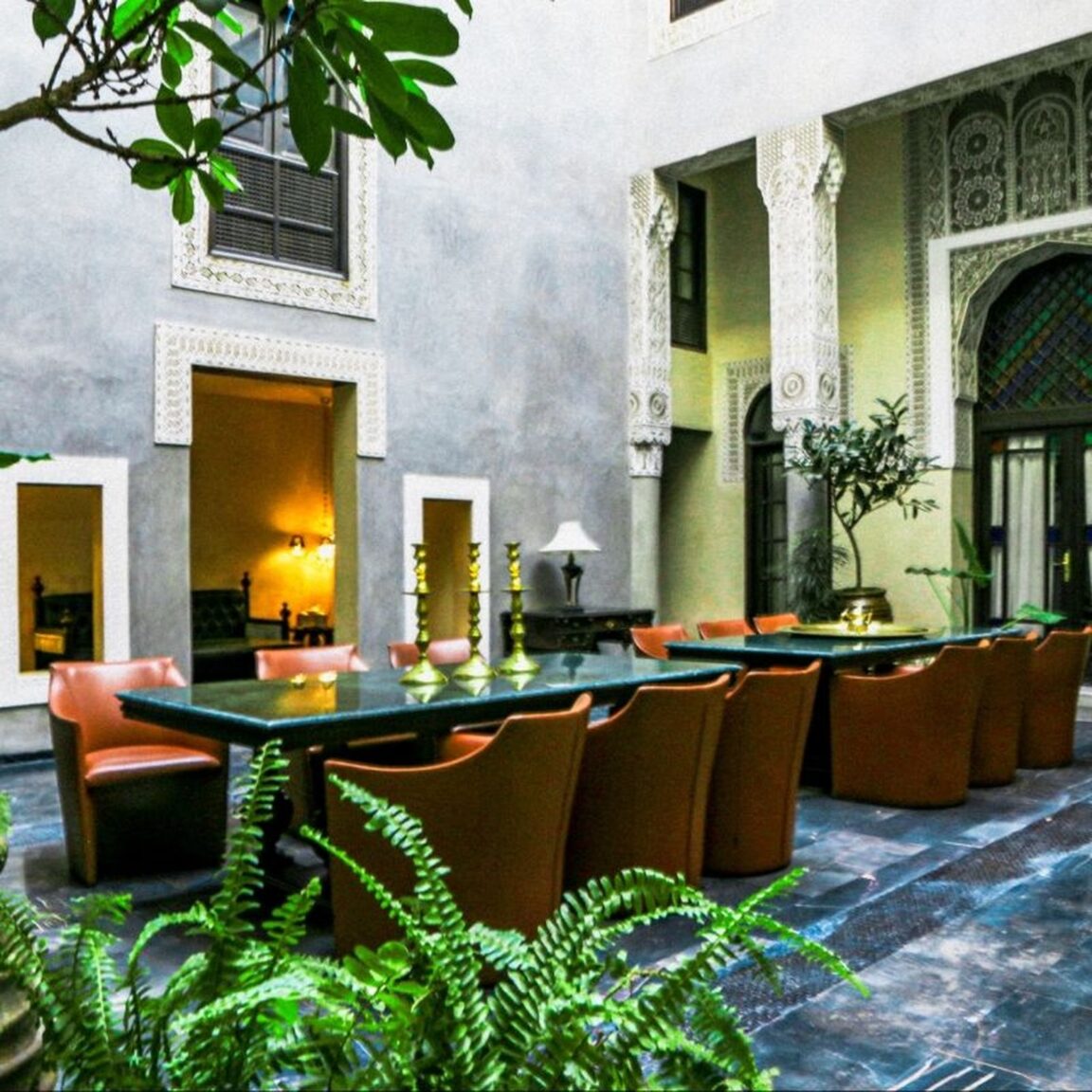
Image credit: The medina of Fes seen from the panoramic rooftop terrace of Riad Fes, from the hotel’s official website (riadfes.com), Riad Fes, Relais and Chateaux.