 Sofia Rossi
Go to the museum before you go to the music. The Museu do Fado, on Largo do Chafariz de Dentro in Alfama, is open Tuesday to Sunday from 10am to 6pm, with last admission at 5.30pm, and costs 5 euros for adults. In about an hour it teaches a first time listener what to listen for: the Portuguese guitar’s bright, plucked line, the Spanish guitar holding the rhythm beneath it, and the silence a room keeps while a fadista sings. An evening in an Alfama fado house afterwards is a different experience for having done the museum first. This guide walks the collection in order and ends with how to choose that evening house.
Quick Facts
- Address: Largo do Chafariz de Dentro 1, Alfama, Lisbon, a short walk from Santa Apolonia station
- Hours: Tuesday to Sunday, 10am to 6pm, last admission 5.30pm, per the museum
- Closed: Mondays, and 1 January, 1 May, 24, 25 and 31 December
- Tickets: Adults 5 euros; ages 13 to 25 pay 2.50 euros; over 65s pay 4 euros; children to 12 free; free with an adult Lisboa Card. Sold at the museum box office and its official online box office
- Building: The Elevatoria da Praia, a 19th century water pumping station; the museum opened on 25 September 1998
- Time needed: 60 to 90 minutes with the audio guide
- Checked: Hours and prices checked 25 November 2026 against the museum’s published visitor information
Why this small museum carries a whole music
Fado is Lisbon’s urban song, recognised by UNESCO as Intangible Cultural Heritage of Humanity in 2011, and it is famously resistant to explanation. The museum does not try to define saudade, the longing the songs carry. Instead it shows the working materials of the music across two centuries: guitars, scores, posters, photographs, recordings and the personal objects of the singers who made it. That material approach suits a first visit. You leave knowing what a Portuguese guitar looks like, how a fado house evening is structured, and why Amalia Rodrigues still towers over the form.
The building helps. The museum occupies a former steam pumping station at the foot of Alfama, the hillside quarter where fado grew up in taverns and courtyards. Visiting here, then walking uphill into Alfama as the light fades, follows the music’s own geography: archive first, living streets second.
The guitar cases, in the order to read them
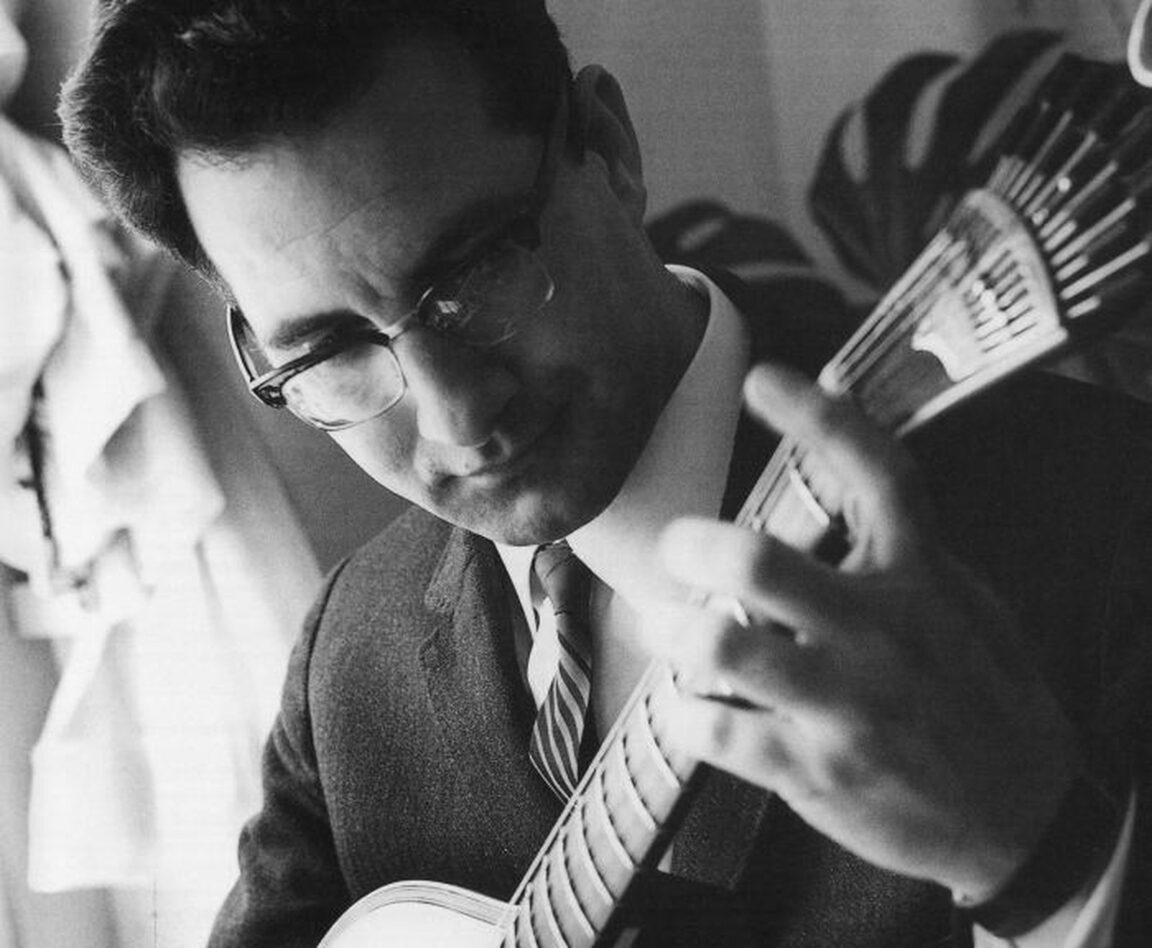
Start with the instruments. The Portuguese guitar, the guitarra portuguesa, is a twelve string instrument in six pairs, with a round body and a distinctive scroll or carved headstock. It is played with fingernail picks and carries the melody’s ornament, the glittering figures between the singer’s phrases. Beside it in the cases sits the viola de fado, the Spanish style guitar that provides rhythm and harmony. Understanding that division of labour, one instrument decorating, one instrument grounding, is the single most useful thing the museum teaches, because it is exactly what your ears will separate out later that night.
The displays trace how the music professionalised: from the tavern figure of Maria Severa, the 19th century singer whose story became fado’s founding legend, through the radio, record and film era that carried voices across Portugal, to Amalia Rodrigues, whose recordings, costumes and presence made fado an international art without sanding off its melancholy. Guitar makers get their due here too; the craft workshops that built and repaired the instruments were part of the music’s economy, and the museum’s documentation centre preserves that record.
The museum also keeps current. Its temporary exhibition programme at the time of checking includes Variations to Carlos Paredes, devoted to the virtuoso whose compositions stretched the Portuguese guitar far beyond accompaniment, and its concert series brings working musicians into the building. Check the museum’s programme page before your visit; a short recital in the auditorium is the ideal bridge between the galleries and an evening house.
The listening rooms: where to linger
The audio points and listening spaces are the heart of the visit, and they reward slowness. Fado styles divide by neighbourhood and mood as much as by era, and hearing the same theme carried by different voices teaches more than any wall text. Linger where you can compare a traditional Alfama delivery with the concert fado of the big stages. Notice the room tone in the old recordings, the tavern closeness, and how the guitar answers the voice rather than accompanying it politely.
Give the visit a full hour at minimum. Visitors who rush the Museu do Fado in twenty minutes tend to leave with photographs of guitars and no ear for the evening. Visitors who use the audio guide, which is included in the visit, leave able to follow a performance. That difference is the whole point of coming here first.
Choosing a fado house for the same night
Alfama’s fado houses divide into two broad kinds. The casas de fado are established dinner venues: a set evening of food and scheduled performances, booked ahead, with the room called to silence when the singing starts. The tascas and smaller taverns offer fado vadio, amateur or semi professional singing in a looser room, where locals may sing between courses and the atmosphere is closer to the music’s origins. Neither is more authentic in the abstract; they are different contracts with the evening. A first timer who wants to hear clearly should book a house; a traveller who wants to feel the social fabric should find a small tasca and accept its noise and interruptions as part of the form.
Practical rules apply everywhere. Book ahead for named houses, especially at weekends. Expect dinner priced well above the museum’s 5 euro ticket; the music is bundled into the meal. When a singer performs, conversation stops; the traditional call for silence is part of the etiquette, not a tourist performance. And keep the museum’s lesson in mind: listen for the guitarra between the verses. For more Lisbon planning, pair this visit with our Lisbon group weekend guide, and for another museum that rewards a route, see our MoMA first visit route.
Getting there and timing the day
The museum sits at the lower edge of Alfama, close to Santa Apolonia station on the metro’s blue line and the main line rail terminus. Tram and bus routes serve the Largo, and the walk up into Alfama’s lanes begins at the museum’s door. The strongest timing is a late morning or mid afternoon museum visit, a slow climb through Alfama past the viewpoints, and a booked fado dinner from around 8pm. Monday travellers should note the closure and reverse the plan, using the museum on another day. Lisbon residents enter free on Sundays and holidays until 2pm under the municipal scheme, which can make those mornings busier.
What to listen for: a first timer’s checklist for the evening
Carry three things from the museum into the night. First, the guitarra’s entrance: in a traditional set the Portuguese guitar often speaks before the voice, setting the mood in a short, ornamented passage, and it answers between verses rather than filling under them. Second, the room’s silence: when the call for quiet comes, it is not theatre, it is the condition the music needs, because fado at its best is sung at conversational intensity and the guitar’s upper strings vanish under chatter. Third, the difference between the two great modes of the repertoire, the structured fado of the professional houses and the improvised fado vadio, where singers trade verses and the room’s regulars are part of the performance.
The museum’s shop and documentation resources are worth ten minutes at the end of a visit for travellers who want to keep listening: recordings by the singers whose portraits line the galleries, chosen with staff guidance, will sound different after an evening in Alfama. And if the visit sparks a deeper interest, the museum’s own programme of talks, temporary exhibitions and concerts runs through the year, listed on its website, making a return visit on a longer Lisbon stay genuinely worthwhile rather than a repeat.
Frequently Asked Questions
How much does the Museu do Fado cost?
Adult admission is 5 euros. Ages 13 to 25 pay 2.50 euros, over 65s pay 4 euros, children to 12 enter free, and entry is free with an adult Lisboa Card. Buy at the museum box office or its official online box office rather than resellers.
What are the Museu do Fado opening hours?
Tuesday to Sunday from 10am to 6pm, with last admission at 5.30pm. It closes on Mondays and on 1 January, 1 May and 24, 25 and 31 December.
How long does a visit take?
Allow 60 to 90 minutes with the audio guide. The listening points are the core of the museum and should not be rushed.
Do I need to visit the museum before a fado house?
No, but it transforms the evening. Knowing the Portuguese guitar’s role and the etiquette of silence makes a live performance far easier to follow and enjoy.
Where is the museum?
At Largo do Chafariz de Dentro 1 in Alfama, near Santa Apolonia station. It is housed in a former 19th century pumping station.
Image: Carlos Paredes, the Portuguese guitar virtuoso, photographed by Augusto Cabrita. Photo via the Museu do Fado, Lisbon (museudofado.pt), the museum’s own website, used with credit.