 Rafael Santos
Use Museo Larco at the end of the day, and be honest about what evening means here. Lima’s great pre-Columbian museum, in Pueblo Libre, is open every day including holidays from 9am to 7pm, per the museum itself, so the night visit of traveller imagination is really a late afternoon and dusk visit: galleries until seven, then the garden restaurant as the light goes. General admission is 50 soles, and one ticket covers the permanent exhibition, the Visible Storage and the renovated Checan Erotic Gallery. Arrive by mid afternoon, do the storerooms while your attention is fresh, and book the restaurant table ahead for the hour the museum closes.
Quick Facts
- Address: Avenida Simon Bolivar 1515, Pueblo Libre, Lima. Visitor entrance on Navarra Street 169
- Hours: Every day, including public holidays, 9am to 7pm. On 24, 25 and 31 December and 1 January, 9am to 6pm. The museum also lists special hours of 9am to 5pm on 1 and 2 December 2026
- Admission: General 50 soles; seniors over 60 pay 35 soles; students and ages 9 to 17 pay 25 soles; ages 3 to 8 pay 1 sol; under 3s free. Buying online in advance brings a discount and preferential access, per the museum
- Included: Permanent Exhibition, Visible Storage and the Checan Erotic Gallery, plus the gardens
- Founded: 1926 by Rafael Larco Hoyle, in an 18th century viceregal mansion built over a pre-Columbian pyramid
- Restaurant: Museo Larco Cafe-Restaurant on the garden terraces, open to visitors and non visitors; the museum suggests reserving
- Checked: Hours and prices checked 25 November 2026 against museolarco.org
Why Larco, and why late in the day
Most Lima museums close on Mondays or by late afternoon. Larco opens daily and runs to 7pm, which makes it the natural anchor for the end of a sightseeing day and the single best introduction to ancient Peru before a trip to Cusco and the Sacred Valley. The collection covers more than 5,000 years of pre-Columbian history, assembled by the Larco family and presented in a whitewashed mansion surrounded by gardens heavy with bougainvillea. Late in the day the tour groups have gone, the galleries thin out, and the building’s evening character, intimate lighting, warm coloured rooms, takes over.
Getting there takes planning rather than effort. The museum sits in Pueblo Libre, a residential district west of the centre, and the museum’s own guidance puts it at roughly 35 to 50 minutes by taxi from Miraflores or the airport, and considerably longer by bus. For an evening visit, a taxi or ride hailing car each way is the sensible choice, booked for the return as well, so the night does not end with a negotiation on the pavement.
The Visible Storage: the storerooms most museums hide
Larco’s signature space is its Visible Storage, where visitors walk between shelves holding some 30,000 catalogued pottery artefacts, as the museum itself describes it. Every museum holds the great majority of its collection in store; Larco is famous for opening the store. Row after row of Moche, Chimu, Cupisnique and other vessels, ordered and labelled, gives a sense of archaeological scale that no highlight gallery can: these cultures produced ceramics in the tens of thousands, and repetition with variation is itself the evidence.
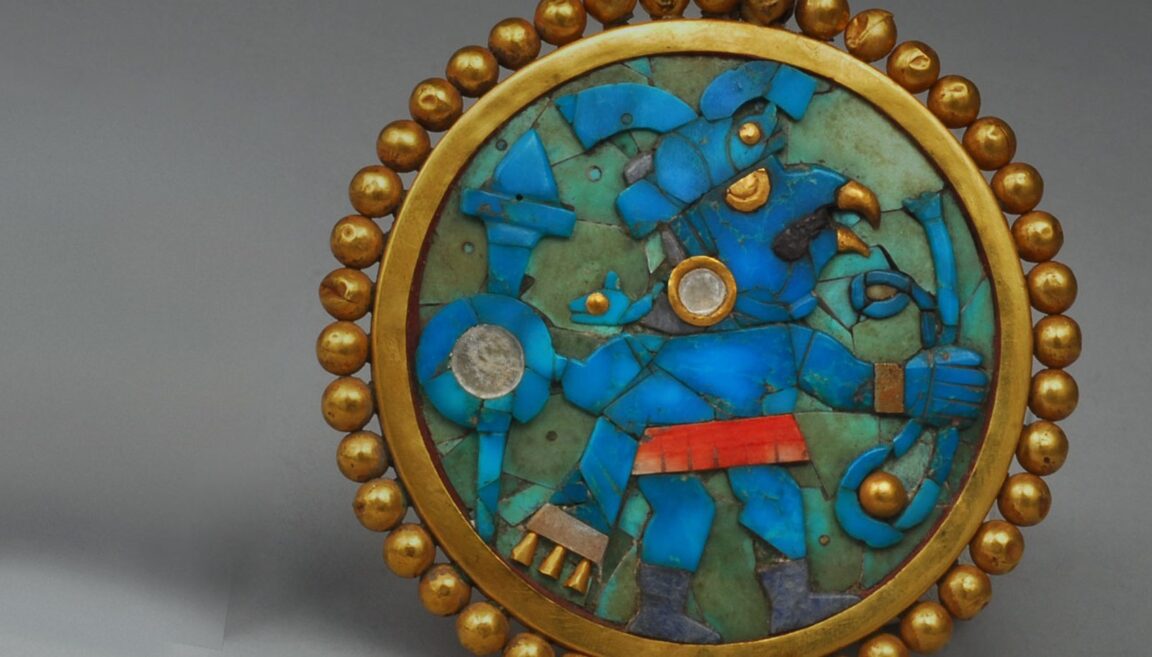
Do the storage before the masterpiece rooms if you can. It recalibrates the eye. The portrait vessels, stirrup spout bottles and fine line painted pots in the permanent exhibition then read as the peaks of a vast production rather than as isolated wonders, and the gold and silver work, the featherwork and textiles, and the great turquoise mosaic ear ornaments land with their proper weight. The permanent exhibition’s texts are given in seven languages, and the museum provides free wifi throughout the rooms, storage, gardens and cafe.
The Checan Erotic Gallery: rules and tone
The separate gallery devoted to erotic pottery, renovated and presented under the name Checan, is included in the same ticket and reached through the gardens. It holds the museum’s celebrated collection of pre-Columbian erotic ceramics, vessels that treat sexuality, fertility and the world of the dead with a frankness that surprises visitors who expected prudery from ancient art. The museum presents the material archaeologically, as evidence about Andean worldviews, and the right visitor tone follows that lead: this is a serious gallery that happens to raise smiles, not a novelty room.
On photography, the museum permits amateur photography in its spaces under its visitor policies, with large bags left free of charge at the reception baggage check; flash, tripods and professional shoots are restricted, and staff instructions on the day govern. Keep the phone discreet in the Checan gallery, where other visitors may be reading the material with children, and never let photography slow the narrow storage aisles at busy moments.
The garden restaurant: book the closing hour
The Museo Larco Cafe-Restaurant sits on the museum’s terraces above the gardens and is open to diners who have not visited the museum as well as to ticket holders. It serves Peruvian and international dishes, salads, sandwiches, cakes and hot and cold drinks, and the museum itself suggests reserving. The booking to make is the table that follows a late visit: galleries from mid afternoon, storage and the Checan gallery before closing, then dinner in the garden as the museum empties. On weekend evenings a reservation moves from sensible to essential.
A final honesty note for planners: because the museum closes at 7pm, and earlier on the December and January dates listed above, Larco is not a late night venue. Build it as the golden hour finale of a Lima day, paired with a morning in the historic centre, and it will likely be the museum you remember longest. For more Lima eating context, see our Museum of Broken Relationships guide for another small museum with a big idea, and our Noguchi Museum guide for a garden museum visit in New York.
Reading the permanent exhibition: the order that makes it cohere
The permanent exhibition is arranged to be understood, and it helps to know its logic before entering. The galleries present the development of Andean societies across thousands of years, moving through the great culture sequences of the north and central coasts and the highlands, so that the Moche material, Larco’s greatest strength, arrives with context rather than as a cold open. Text panels in seven languages carry the argument, and the pacing is deliberately intimate: smaller rooms, warm colours and close display, the opposite of the white hall monumentality of many national museums.
Three kinds of object deserve deliberate attention. The Moche portrait vessels, modelled heads of striking individuality, are the collection’s signature and repay slow looking in the storage as well as the galleries, where hundreds more wait in rows. The gold and silver work of the northern cultures shows metalworking of the highest order, masks, ear ornaments and ceremonial pieces that survived because they were buried with their owners. And the textiles and featherwork, the most fragile survivals of all, record designs and labour that ceramics cannot. A visitor who gives those three threads an hour, then takes the storage and the Checan gallery, has seen Larco as it asks to be seen, which is why the late visit works: the museum’s scale is human, and an unhurried afternoon is enough.
The museum store, by the gardens, sells books, jewellery, textiles and replicas drawn from the collection, and it is a better souvenir stop than most: the replicas are modelled on pieces the visitor has just seen in the cases and on the storage shelves, which gives them a provenance most airport craft cannot claim.
Frequently Asked Questions
What time does Museo Larco close?
The museum is open every day, including public holidays, from 9am to 7pm. On 24, 25 and 31 December and 1 January it closes at 6pm, and it lists special hours of 9am to 5pm on 1 and 2 December 2026. Confirm on museolarco.org before a holiday visit.
How much does Museo Larco cost?
General admission is 50 soles. Seniors over 60 pay 35 soles, students and visitors aged 9 to 17 pay 25 soles, children aged 3 to 8 pay 1 sol, and under 3s enter free. Tickets bought online in advance carry a discount and preferential access.
What does the ticket include?
One ticket covers the Permanent Exhibition, the Visible Storage with its roughly 30,000 catalogued ceramics, and the Checan Erotic Gallery, plus access to the gardens. The restaurant is separate and open to non visitors too.
Can I take photographs in Museo Larco?
Amateur photography is permitted under the museum’s visitor policies, with bags left at the free reception check. Flash and professional equipment are restricted; follow staff guidance on the day, especially in the storage aisles and the erotic gallery.
Do I need to book the museum restaurant?
The museum suggests reserving, and for a table at museum closing time or on weekend evenings a reservation is strongly advised. The restaurant sits on the terraces overlooking the gardens.
Image: A Moche turquoise and gold mosaic ear ornament from the Museo Larco collection, Lima. Photo via Museo Larco (museolarco.org), the museum’s own website, used with credit.