 Camille Baptiste
Zagreb’s Museum of Broken Relationships is a reading museum, not a looking museum, and it should be budgeted that way. In the baroque Kulmer Palace in the Upper Town, at Ćirilometodska 2, every exhibit is an ordinary object donated anonymously by someone, somewhere in the world, after a relationship ended, and the exhibit is really the short written story pinned beside it. Visitors who allow 90 minutes to two hours, read at half pace, and decompress afterwards in the museum’s Brokenships Café get one of Europe’s most original museums. Visitors who allow 30 minutes between other sights get a room of puzzling junk. The museum is open daily, from 9:00 a.m. to 9:00 p.m. in the October to May season, and admission is 9 euros for adults.
Quick Facts
- Address: Ćirilometodska 2, in the Kulmer Palace, Upper Town, Zagreb, a few steps from St. Mark’s Church
- Hours: Daily 9:00 a.m. to 9:00 p.m. from 1 October to 31 May, last entry 8:30 p.m.; 9:00 a.m. to 10:00 p.m. from 1 June to 30 September, checked on brokenships.com on 25 November 2026
- Admission: 9 euros for adults; 7 euros for pupils, full time students with ID, visitors with disabilities, seniors aged 65 and over, and groups of 15 or more
- Closed: Christmas Eve, Christmas Day, New Year’s Day, Easter and All Saints’ Day, with shortened hours on New Year’s Eve
- Founded: Conceived in 2006 by Zagreb artists Olinka Vištica and Dražen Grubišić as a travelling exhibition after their own relationship ended; permanent Zagreb home opened in 2010
- Recognition: Winner of the Kenneth Hudson Award for Europe’s most innovative museum in 2011
- Allow: 90 minutes to two hours, plus cafe time afterwards
Why does this museum reward reading pace over sightseeing pace?
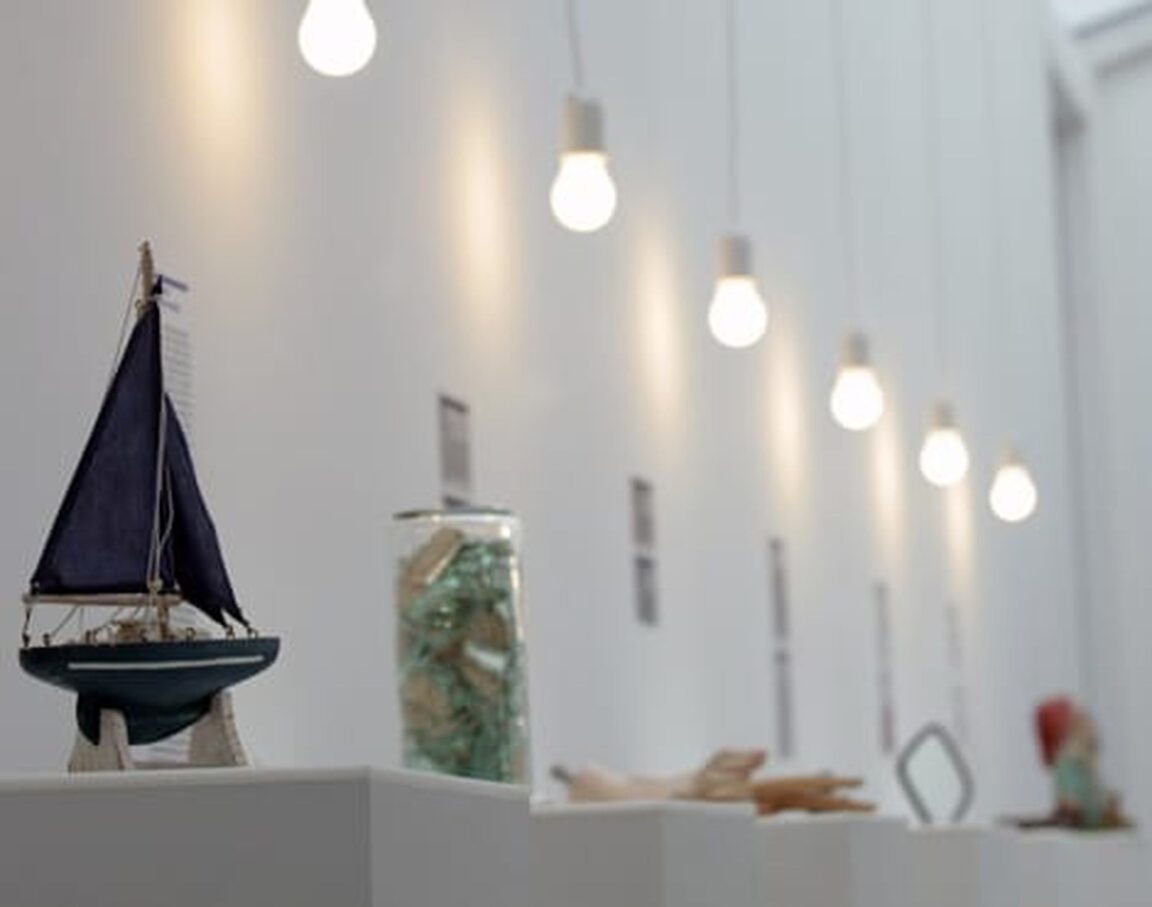
Because the objects, on purpose, are almost nothing. A toaster. A garden gnome. A wedding dress, a pair of handcuffs, an axe, a single shoe. Detached from their stories, they are the contents of any flea market stall, and that is precisely the concept the founders built in 2006, when film producer Olinka Vištica and sculptor Dražen Grubišić ended their own four year relationship and, instead of dividing or discarding its remains, exhibited them, and invited others to donate theirs. The collection travelled the world gathering objects for years before settling into its permanent home in 2010, and every object still arrives the same way: anonymously, from a donor, with a text.
The text is the artwork. Some run to a paragraph, some to a page, and they cover far more than romantic breakups: marriages, friendships, family estrangements, relationships ended by distance, illness and death. The tone swings in a single room from genuinely funny to quietly devastating, and the swing is the experience. It follows that the only real skill the museum asks of you is slowness. Read every label in the rooms you enter, or deliberately choose a section and read all of it, rather than skimming everything. Crowding works against the museum more than at almost any other, since two people reading over one label halves its effect, so come at opening time at 9:00 a.m. or in the last two evening hours, when the rooms empty and the reading pace the place deserves becomes possible.
What should you do after the galleries?
Build in the decompression the museum itself provides. The Brokenships Café, attached to the museum, exists for the conversation the exhibition starts, and almost every visitor leaves carrying one story they cannot stop thinking about. Give it twenty minutes and a coffee rather than marching straight to the next sight, and browse the museum shop, which continues the theme with more wit than most museum retail manages. This sequencing advice is practical, not sentimental: the Upper Town sights that surround the museum are visual and architectural, and they land better once the reading has settled, while visitors who reverse the order tend to carry the museum’s mood, unprocessed, through churches and towers that deserve their own attention.
How does the museum fit into the Upper Town around it?
Beautifully, because the Upper Town, Gradec, is compact enough to hold in a single slow loop. The museum sits on Ćirilometodska Street between two of the hill’s landmarks. A short walk one way brings you to St. Mark’s Square and St. Mark’s Church, with the coats of arms of Croatia and Zagreb worked into its tiled roof. A short walk the other way brings you to the Lotrščak Tower, where the Grič cannon is fired at noon every day, a Zagreb tradition that still startles first timers across the old town, and where the tower top gives one of the city’s best views over the Lower Town rooftops.
Getting up the hill is part of the ritual. The Zagreb funicular, one of the shortest funicular railways in the world at just 66 metres of track, climbs from Tkalčićeva Street’s cafe row to the promenade beside the tower, and the ride takes under a minute. Alternatively, walk up through the Stone Gate, the last surviving gate of the old town walls, where a candlelit shrine to the Virgin Mary, protected by tradition since a fire in 1731, still draws a constant, quiet stream of locals. A well judged Upper Town half day runs: funicular up in the morning, the museum at reading pace, the cafe, St. Mark’s Square and the Stone Gate on the way down. Travellers building a wider museums itinerary will find the same plan by theme approach in our guides to the Frick Collection in New York and the Guggenheim’s ramp route.
Who should skip it, and who should not?
Skip it, honestly, if you are travelling with young children, for whom a museum of written texts about adult relationships offers almost nothing, or if your Zagreb time is a single rushed day and reading in a second language tires you, because the museum’s labels are its content and there is no shortcut version. Do not skip it if you are travelling solo, travelling after a life change of your own, or simply tired of museums that ask you to admire. The collection’s founding offer still stands for donors, and the museum continues to accept objects and stories, which is why repeat visitors find the rooms changed between visits. Few museums anywhere are this cheap, this central and this unlike anything else on an itinerary. Give it the two hours and the quiet it asks for, and it returns more thought per euro than anything else in Zagreb.
Frequently Asked Questions
How long does the Museum of Broken Relationships take?
Allow 90 minutes to two hours. The exhibits are short written stories donated with each object, so the visit runs at reading speed. Visitors who rush it in half an hour consistently underrate it.
How much does it cost and when is it open?
Adult admission is 9 euros, with a reduced rate of 7 euros for students with ID, seniors aged 65 and over, visitors with disabilities and groups of 15 or more. It opens daily at 9:00 a.m., closing at 9:00 p.m. from October to May and 10:00 p.m. from June to September, with last entry 30 minutes before closing.
Where is the museum and how do I get there?
At Ćirilometodska 2 in the Upper Town, inside the Kulmer Palace. Ride the Zagreb funicular up from Tkalčićeva Street, or walk up through the Stone Gate, then follow the old town streets toward St. Mark’s Square.
Is the museum only about romantic breakups?
No. Romantic relationships dominate, but donors also give objects from marriages, friendships and family relationships, and from relationships ended by distance, illness or death. All donations are anonymous and each is displayed with the donor’s own written story.
Can I donate an object myself?
Yes. The museum continues to accept donated objects with their stories, in person and through its website, which is why the display changes over time. The museum also stages touring exhibitions in other cities, but Zagreb is its permanent home.
Image: Donated objects on display on white plinths inside the Museum of Broken Relationships, Zagreb. Photo: Museum of Broken Relationships, via brokenships.com, the museum’s official website.