 Omar Haddad
Al Maha works because the safari is not an excursion you add to a hotel stay; it is built into the rate, inside a protected reserve that is the reason the hotel exists. This Luxury Collection resort sits within the 225 square kilometre Dubai Desert Conservation Reserve, its suites scattered through the dunes with private plunge pools, and every night of a stay includes two desert experiences chosen from wildlife drives, camel treks, falconry, nature walks and more. Book it as a suite and safari model in one price, judge it on the reserve, and it stands apart from every tower hotel in Dubai.
Quick Facts
- Location: Inside the Dubai Desert Conservation Reserve, a 225 square kilometre protected area established in 2003, about 5 percent of the Emirate of Dubai
- The model: Suite accommodation with two included desert experiences per night of stay, per Marriott
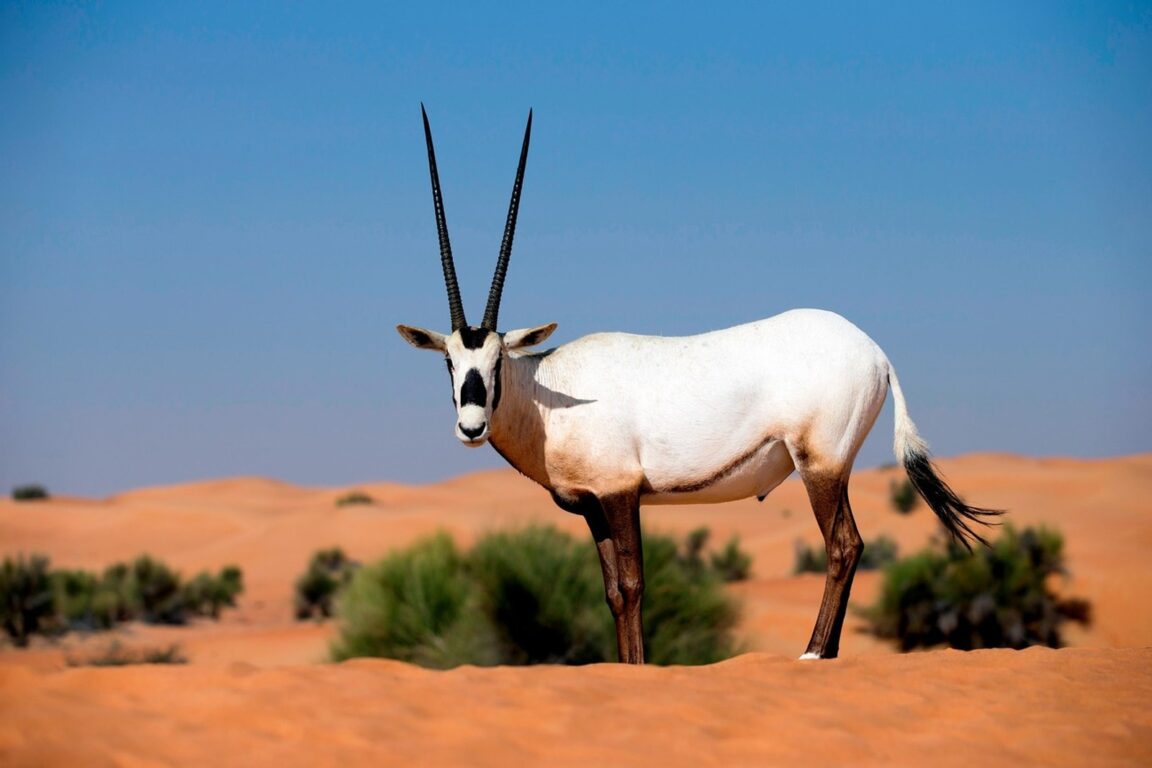
- Wildlife: Free roaming Arabian oryx and gazelles, with guided wildlife drives through the reserve
- Signature experiences: Wildlife drive, sunset camel trek, falconry, dune drive, nature walk, archery and sundowner trips
- Dining and wellness: Al Diwaan restaurant and the Al Maha spa with an infinity pool overlooking the dunes
- Facts checked: 26 November 2026, against marriott.com and ddcr.org
The reserve comes first, the resort second
Most desert hotels use the dunes as a backdrop. Al Maha is the other way round: the Dubai Desert Conservation Reserve was created to protect and restore the inland desert ecosystem, and the resort operates inside it as its only luxury accommodation. The reserve covers 225 square kilometres, almost 5 percent of the emirate, as the reserve own reporting sets out in the Dubai Desert Conservation Reserve annual report at ddcr.org. Its herds of Arabian oryx are free roaming, its flora and fauna are managed as a conservation programme, and the guest experience is structured as access to that programme rather than entertainment laid over it. The reserve international standing is summarised by the IUCN member profile for the Dubai Desert Conservation Reserve, which records its creation in 2003 to conserve the natural resources of Dubai inland desert.
That framing matters for expectations. Drives follow conservation logic, guides talk ecology as readily as photography, and the dunes you cross are a managed habitat with rules. Travellers who have stayed at the great conservation led safari properties, such as those assessed in the Londolozi Game Reserve safari guide, will find the philosophy familiar, translated from savanna to sand.
The suites: a Bedouin line, a private pool, a dune view
The accommodation takes its form from a Bedouin encampment, reimagined at full luxury specification: standalone suites in the dunes, each with a private temperature controlled plunge pool on a deck facing open desert, so the oryx and gazelles that drift past are part of the room view. Inside, the styling runs to Arabian antiques, hand crafted furnishings and a proper bathroom, and the privacy engineering is the point: suites are spaced so that the desert, not a neighbour, fills the windows. The suite categories step up from the standard one bedroom suites to larger multi bedroom options for families and groups, including suites with staff quarters at the top end. Confirm the current suite inventory, occupancy and rate inclusions for your dates on the official Al Maha pages at marriott.com, because the included experiences, dining arrangements and seasonal pricing are all date specific.
Compared with its desert peers, Al Maha proposition is density of wildlife and proximity to a global city rather than emptiness alone. The vast silence model is done superbly elsewhere in the Emirates, as in the Qasr Al Sarab desert resort stay in Liwa, Abu Dhabi, while the American version of the sculptural desert resort is assessed in the Amangiri Utah desert resort guide. Al Maha counter is simple: no other luxury resort this close to a major airport puts a protected oryx herd outside your pool deck.
Two experiences a night: how the included safari actually works
The heart of the rate is the activity inclusion. Marriott states that a stay includes two desert experiences each night, curated to immerse guests in the heritage and ecology of Arabia. The menu, detailed on the official experiences page, runs to guided wildlife drives in search of oryx, gazelles and the smaller desert fauna; a sunset camel trek of about twenty five minutes from the resort into the dunes; falconry, the defining heritage skill of the region; guided nature walks reading tracks, plants and geology; archery; dune drives; and sundowner trips to a secluded dune viewpoint. Horse riding and private or elevated versions of activities sit above the included tier, and spa treatments are separate again.
Sequencing is the skill. Take the wildlife drive at dawn on one morning, when animals are active and the light is kind, and the camel trek at sunset the same day; save the nature walk for a second dawn and falconry for the slot your guide recommends, because the birds fly best in the right conditions. Over a three night stay the inclusion gives you six experiences, which is enough to cover the full menu without paying for upgrades, provided you book slots early in the stay rather than leaving choices to the last evening. Rainforest resort travellers will recognise the same guided nature logic that structures days at The Datai Langkawi resort in Malaysia, where the naturalist walk is likewise the activity that unlocks the setting.
Eating, the spa and the hours between drives
Al Diwaan, the resort main restaurant, handles the full board rhythm that a remote resort requires, with dining also possible in suite and, on arranged evenings, privately in the dunes. The spa pairs treatment rooms with an infinity pool facing the desert, and the honest way to use it is as the midday chapter: dawn drive, breakfast, pool and spa through the heat, second experience from late afternoon. Day access for outside guests exists in packaged form, including pool and activity combinations, but the resort belongs, in atmosphere, to its overnight guests once the day visitors leave.
When to go and who should book
The desert calendar rules everything. The cooler months are the classic window, when dawn drives are crisp and midday is swimmable rather than punishing; summer compresses the day into early and late activity with a long, hot, indoor middle, and rates and availability move accordingly. Check the live calendar before assuming either. Book Al Maha if you want Dubai trip to include a genuine conservation landscape rather than a desert themed excursion, if the included activity model appeals, and if two or three nights of early starts sound like a holiday rather than a schedule. Skip it, or pair it with city nights, if you want restaurants, shopping and nightlife on the doorstep: inside the reserve, the dunes are the whole programme, and that is exactly the point.
Frequently Asked Questions
What activities are included at Al Maha?
Two desert experiences per night of stay, chosen from a menu that includes wildlife drives, sunset camel treks, falconry, nature walks, dune drives, archery and sundowner trips, per Marriott. Some elevated or private versions, horse riding and spa treatments cost extra.
Where is Al Maha located?
Inside the Dubai Desert Conservation Reserve, a 225 square kilometre protected reserve established in 2003, covering about 5 percent of the Emirate of Dubai. The resort is the luxury accommodation within the reserve.
What wildlife will I see at Al Maha?
Free roaming Arabian oryx and gazelles are the signature sightings, seen on guided wildlife drives and often from the suites themselves, alongside the reserve other indigenous desert fauna and flora, interpreted by the resort field guides.
Do the suites have private pools?
Yes. The suites are standalone, set in the dunes, each with a private plunge pool on its deck facing the desert, a defining feature of the property.
How many nights should I stay at Al Maha?
Two to three nights makes best use of the model: at two included experiences per night, three nights covers the full activity menu with time for the spa and pool between drives.
Featured image: An Arabian oryx on the dunes of the Dubai Desert Conservation Reserve. Photo via Al Maha, a Luxury Collection Desert Resort and Spa, official website (marriott.com). Image credit: Marriott / Al Maha.