 Thandiwe Nkosi
Yes, Qasr Al Sarab Desert Resort by Anantara is worth it if the Empty Quarter itself is on your travel list, because no beach resort or city hotel can substitute for waking inside the largest uninterrupted sand desert on earth, with fortress walls around you and dunes running to every horizon. The resort, whose name means the Mirage Palace, holds 140 rooms, 14 suites and 53 pool villas in the Liwa Desert near Abu Dhabi, and the stay is priced and paced as a destination in itself: a 2.5 hour drive from Abu Dhabi city buys you camel treks at dawn, falconry at dusk and silence in between. It is worth less as an add on night squeezed into a busy UAE itinerary, and worth nothing at all to travelers who need a town, a beach or nightlife. Judged on the dune setting, the falconry and the activity roster named in the brief, it earns its rate when you give it at least two nights.
Quick Facts
- Setting: Liwa Desert, in the Empty Quarter, the Rub al Khali, on the outskirts of Abu Dhabi
- Address: P.O. Box 131277, 1 Qasr Al Sarab Road, Abu Dhabi, United Arab Emirates
- Drive times: About 2.5 hours from Abu Dhabi city and 3.5 hours from Dubai, per the official resort FAQ
- Rooms: 140 rooms, 14 suites and 53 pool villas, per Anantara
- Room sizes: Rooms 45 to 50 square metres, suites 106 square metres, pool villas 130 to 467 square metres
- Villas: One to four bedroom pool villas with private plunge pools and villa butler service; Royal Pavilion Pool Villas secluded from the main resort
- Spa: Anantara Spa with five treatment rooms, a Moroccan hammam, Jacuzzis and steam rooms, plus a Wellness and Meditation Centre
- Activities: Desert drives, camel trekking, desert walks, fat biking, archery, Polaris rides and falconry, per the resort
- Dining: Al Waha, Suhail, Ghadeer, Al Liwan and the seasonal Bedouin style Al Falaj, per resort materials
- Official source: anantara.com, checked 16 November 2026
What is the Empty Quarter, and how remote is the resort really?
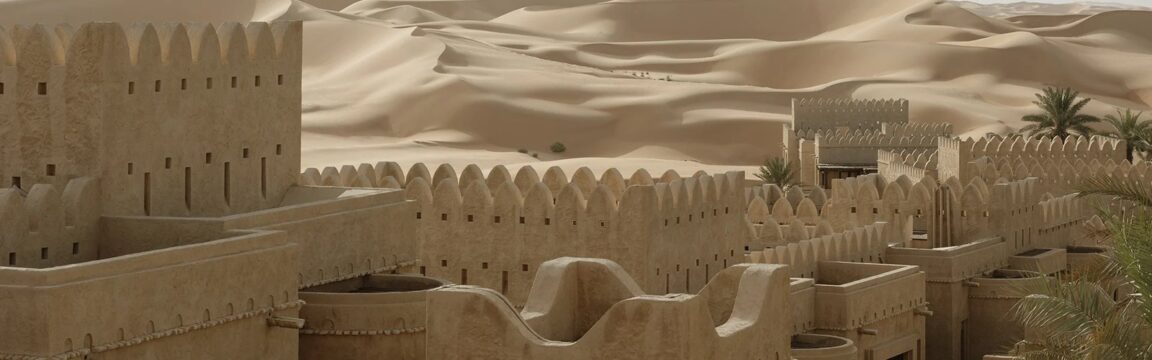
The Rub al Khali, the Empty Quarter, is the world’s largest uninterrupted sand desert, and the Liwa Desert forms its northern edge in Abu Dhabi emirate. Anantara’s own description has the resort rising from flame coloured dunes like a mirage, and the approach explains the line: the official FAQ puts the drive at 2.5 hours from the city of Abu Dhabi and 3.5 hours from Dubai, with the final stretch running through open dune country to a fortress style complex that stands alone in the sand. There is no village, no neighbouring hotel and no walkable anything beyond the resort and the desert itself.
That remoteness is the product, and it cuts both ways. Stargazing, dawn light on the dunes and genuine quiet are guaranteed in a way no managed beach can promise. Equally, every activity, meal and hour happens inside the resort’s programme, so the quality of that programme decides the stay. Travelers should also plan the desert honestly: summer heat reshapes the day around dawn and dusk, while the cooler months open the full activity roster. Falconry and horse riding run seasonally, listed by resort partners as October to April, so winter visitors get the complete version of this resort.
Which rooms and villas are worth booking?
Every room at Qasr Al Sarab faces the desert, and the ladder is about outdoor space and privacy rather than view, since the dunes own every window. Rooms of 45 to 50 square metres come as garden terrace, balcony and sun terrace versions, all with indoor and outdoor space arranged for the panorama. Suites step up to 106 square metres with an indoor lounge and a terrace set for dining under the stars. For most couples, a balcony room high enough to read the dune lines, or a suite for the lounge, covers the stay well.
The pool villas are the resort’s signature spend. Anantara lists 53 pool villas from 130 to 467 square metres, in one, two, three and four bedroom formats, each with a private plunge pool and sundeck, lounging and dining terraces and villa butler service. They sit in a more secluded part of the resort, and the private pool changes the desert day completely: activity at dawn, your own water through the hot middle hours, and dinner on your terrace. Beyond them, the Royal Pavilion Pool Villas stand apart from the main resort entirely, at 130 square metres with a private pool and full butler service, aimed at guests who want the fortress as a backdrop rather than a base. Families and groups should price the two and three bedroom villas against multiple rooms, since the shared living space and pool usually win.
What does the activity roster actually include?
The official FAQ lists desert drives, Polaris rides, camel trekking, desert walks, fat biking and archery, and the resort’s wider programme adds the heritage experiences that give the place its character. Falconry, with saluki hounds, is presented as a living Emirati tradition rather than a photo stop, and sunset sessions pair the birds with the best light of the day. Camel treks run at dawn and dusk in the Bedouin pattern the landscape demands, and guided desert walks read the dunes, tracks and plants at a pace no vehicle allows. Dune drives and fat biking supply the adrenaline register, and archery fills an easy hour near the resort.
The smart rhythm is one anchor activity at each end of the day and nothing scheduled at noon. Book the falconry and your preferred drive or trek for the first morning when you reserve the room in peak season, since small group activities fill. Camp Nujum, the resort’s desert night camp reached by camel, extends the idea into an overnight under the stars for groups, priced per group on the official offers page. Travelers comparing desert and island escapes in the region can also read our guide to Atlantis The Royal in Dubai and who it suits best for the opposite pole of UAE luxury.
How do the spa and dining hold up in the middle of the desert?
Anantara Spa is a genuine counterweight to the heat and grit of the dunes. The official FAQ lists five treatment rooms, a Moroccan hammam, Jacuzzis, steam rooms and a relaxation area, and the resort adds a Wellness and Meditation Centre. The signature register is desert rose and hammam ritual, and a late afternoon spa hour, after the morning activity and before dinner, is the slot regular guests protect. The main resort pool and the adults only infinity pool added in recent years give the water time a social centre beyond the private villa pools.
Dining runs to a full resort roster. Resort materials list Al Waha for international dining, Suhail for rooftop grills under the stars, Ghadeer by the pool, Al Liwan as the lobby lounge in the heart of the resort, and Al Falaj, a Bedouin style outdoor venue that operates in the cooler months with barbecue and oriental dishes. Dining by Design and in villa barbecues handle the celebration cases. The honest note is captivity: there is no alternative restaurant within any reasonable distance, so half board style planning and one special dinner booking, at Suhail or Al Falaj in season, make budgeting predictable.
Who should book Qasr Al Sarab, and who should skip it?
Book Qasr Al Sarab if the Empty Quarter is a genuine ambition, if you are pairing Abu Dhabi city with a landscape that explains the emirate, or if a private pool villa in total quiet is your definition of luxury. It suits honeymooners in the Royal Pavilion villas, families who will use the treks, drives and kids facilities, and photographers who understand that the dunes at dawn are the whole point. Give it two nights at minimum, three if the villa pool is part of the plan.
Skip it, or defer it, if you have only one spare night in the UAE, since the 2.5 hour drive each way turns a single night into two transfers and a glimpse. Skip it in high summer unless you are content with a dawn and dusk schedule and long indoor middays. And skip it if your UAE trip is really about Abu Dhabi’s museums and mosques or Dubai’s restaurants, in which case a city base with a guided desert day trip is the honest substitute. Travelers drawn to remote resorts in other landscapes can compare the model with our guide to The Datai Langkawi and who it suits best, a rainforest version of the same seclusion first idea.
Frequently Asked Questions
How far is Qasr Al Sarab from Abu Dhabi and Dubai?
The official resort FAQ gives 2.5 hours by car from the city of Abu Dhabi and 3.5 hours from Dubai. The resort can arrange airport and city transfers within the UAE, priced by vehicle type.
How many rooms and villas does Qasr Al Sarab have?
Anantara lists 140 rooms, 14 suites and 53 pool villas. Rooms run 45 to 50 square metres, suites 106 square metres and pool villas 130 to 467 square metres, all facing the desert.
What activities can you do at Qasr Al Sarab?
The official list includes desert drives, Polaris rides, camel trekking, desert walks, fat biking and archery. Falconry with saluki hounds, horse riding and the Bedouin style camp experiences run seasonally, with falconry listed for the cooler months.
What does Qasr Al Sarab mean?
The name translates as the Mirage Palace, a fair description of a fortress style resort rising out of the dunes of the Empty Quarter near Liwa.
Is Qasr Al Sarab good for families?
Yes. The resort lists a kids splash pool, a kids club, a teens club and cooking classes, and the multi bedroom pool villas give families private space and water. Desert activities run in family friendly formats at dawn and dusk.
When is the best time to visit Qasr Al Sarab?
The cooler months bring the full activity roster, including falconry and outdoor dining at Al Falaj, and make midday desert time comfortable. Summer stays work on a dawn and dusk rhythm, with the spa, pools and villa plunge pools filling the hot hours.
Last updated and facts checked: 16 November 2026, against anantara.com, including the official resort page and FAQ.